Neurological
Stroke & Spinal Cord Injury Rehabilitation
in Hinsdale, IL
Outpatient neurological rehab for stroke survivors, spinal cord injury patients, and people living with progressive conditions. Personalized, hour-long sessions — not a 20-minute factory visit.
Often paired with related care
What we treat
Conditions
seen in this specialty.
We accept these as primary diagnoses. If you're not sure where your case fits, a 60-minute evaluation maps it correctly on day one.
Ischemic & hemorrhagic stroke recovery
Outpatient continuation of stroke rehabilitation — typically picking up where inpatient or home health left off. Real recovery often happens in months 3–12.
Hemiparesis & hemiplegia
One-sided weakness or paralysis. Gait, balance, and functional task training to rebuild what's possible — and find workable patterns for what isn't.
Incomplete spinal cord injuries
Partial preservation of motor or sensory function below the injury level. Often more recoverable than initially expected with sustained, targeted rehab.
Foot drop & gait dysfunction
Common after stroke and certain SCIs. Treatable with strengthening, neuromuscular retraining, and orthotic recommendations when needed.
Multiple sclerosis & Parkinson's disease
Progressive neurological conditions where ongoing PT slows decline, preserves function, and maintains quality of life. Evidence-based programs for both.
Guillain-Barré syndrome recovery
Post-acute rehabilitation following GBS. Most patients recover substantially with structured rehab over 6–18 months.
When to see a PT
Signals that
warrant an evaluation.
If you notice any of these patterns — even occasionally — it's worth a sixty-minute assessment to map what's actually going on.
Weakness on one side
Arm, leg, or both — the classic post-stroke pattern.
Difficulty walking or balance issues
Including foot drop, scuffing, and the fear of falling that often comes with both.
Trouble with daily tasks
Dressing, bathing, getting in and out of a chair or car. The mechanics of independence.
Spasticity or stiffness
Muscles that won't relax — common after stroke and SCI. Treatable with stretching, positioning, and progressive movement.
Reduced endurance
Tiring quickly with activity. Often dramatically improved with structured rehab.
Difficulty using the affected arm
From subtle clumsiness to complete non-use. Constraint-induced and task-specific training can produce meaningful gains.
How we treat it
The clinical playbook
for this specialty.
01—Modality
Neuromuscular re-education
Retraining the brain-muscle connection. Repetitive, task-specific practice that drives the neuroplastic changes underlying real recovery.
02—Modality
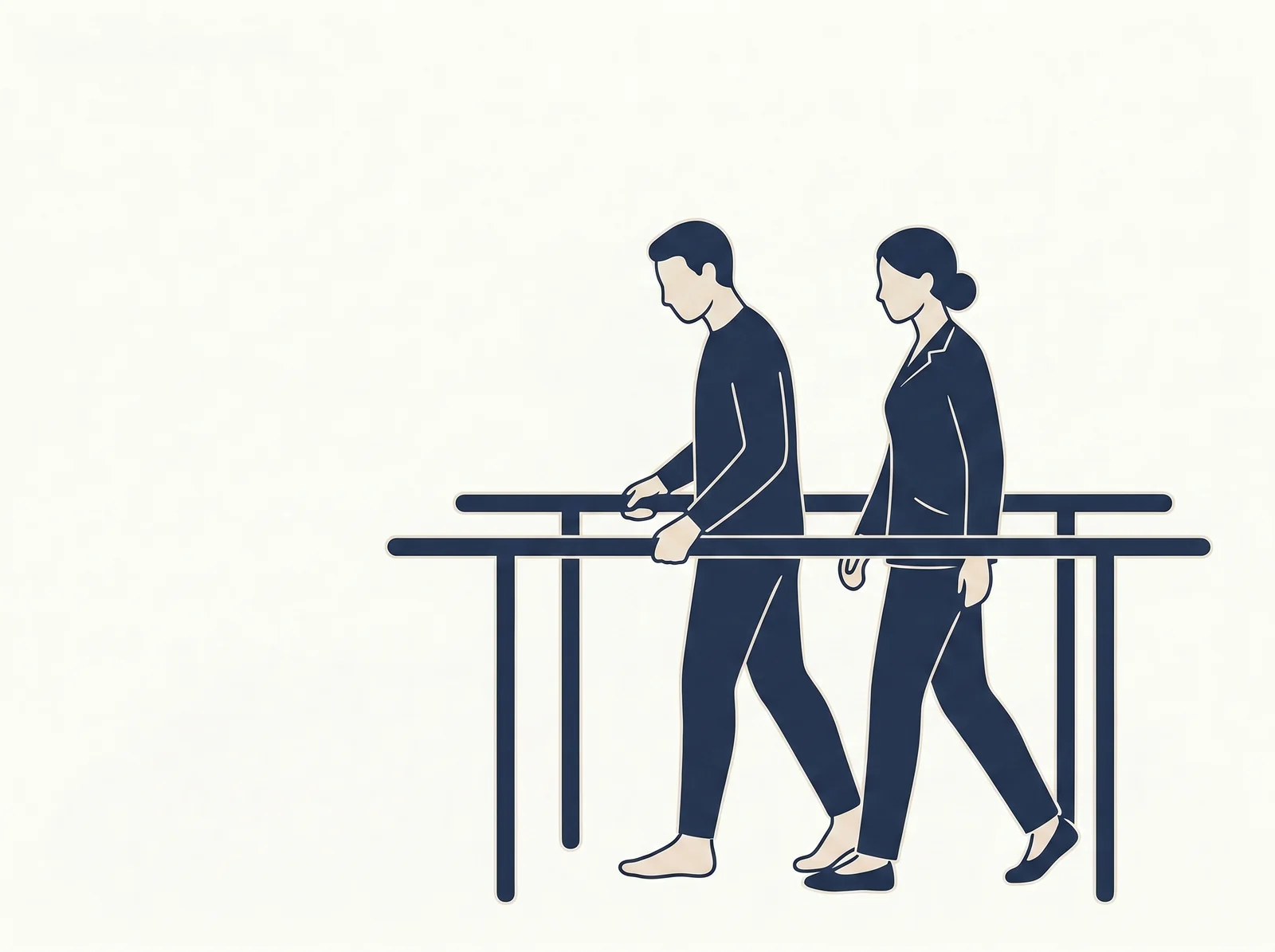
Gait training & assistive device selection
From parallel bars to walker to cane to independent ambulation. We progress through what your body allows and recommend the assistive devices that match — not more, not less.
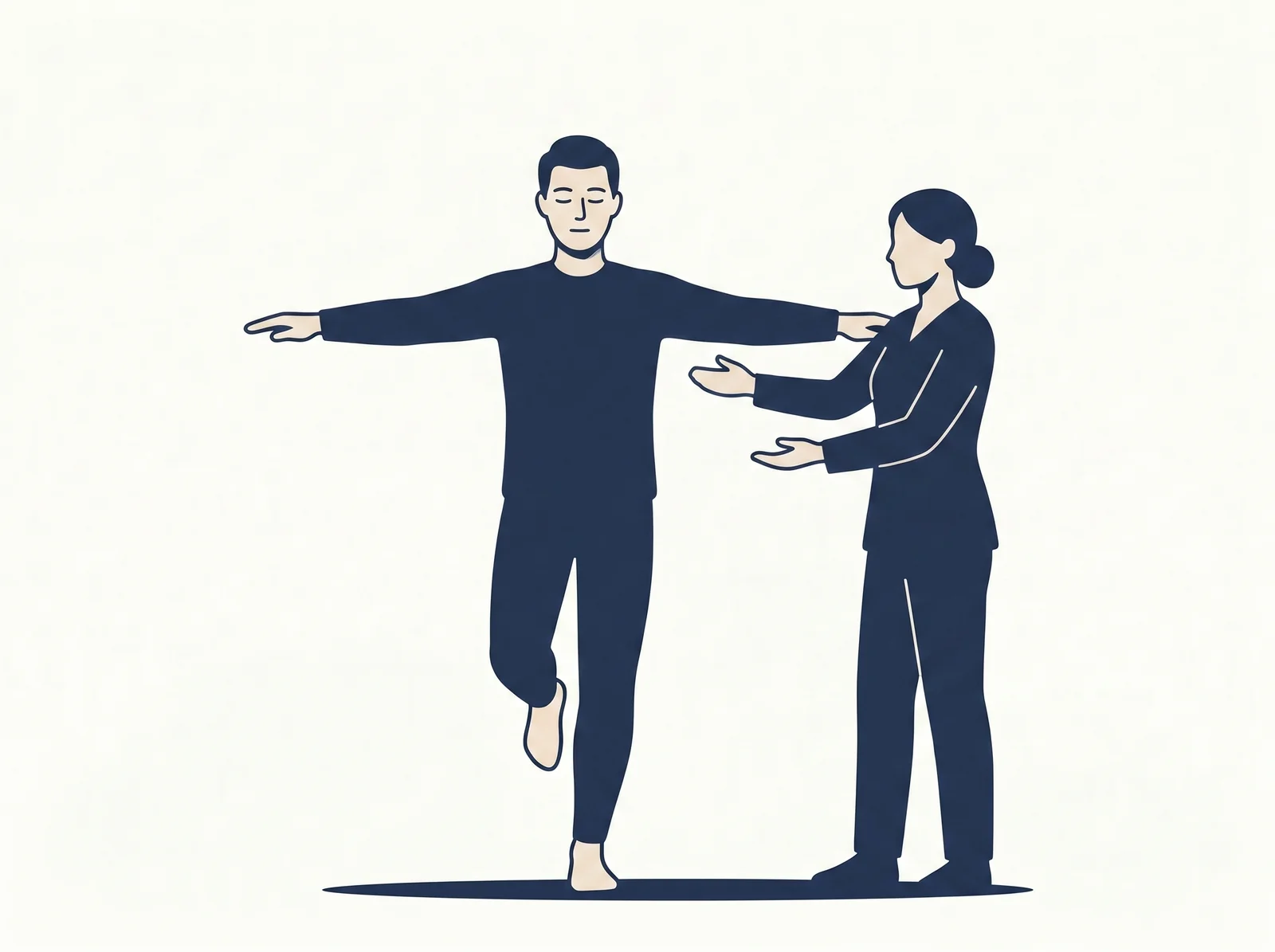
03—Modality
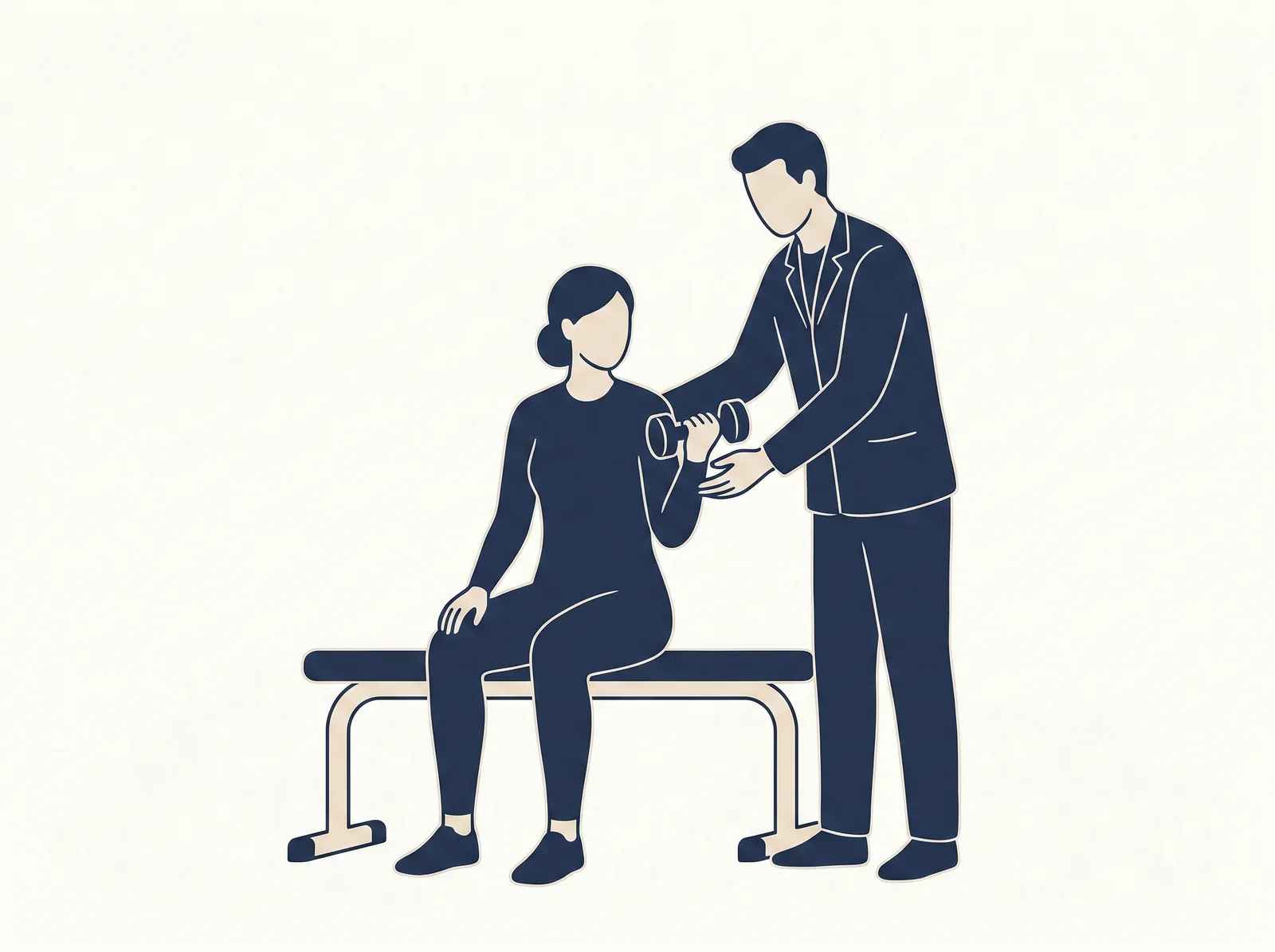
Balance & fall prevention
Static and dynamic balance training, often with Biodex assessment. Falls are the biggest threat to community living after a neurological event.
04—Modality
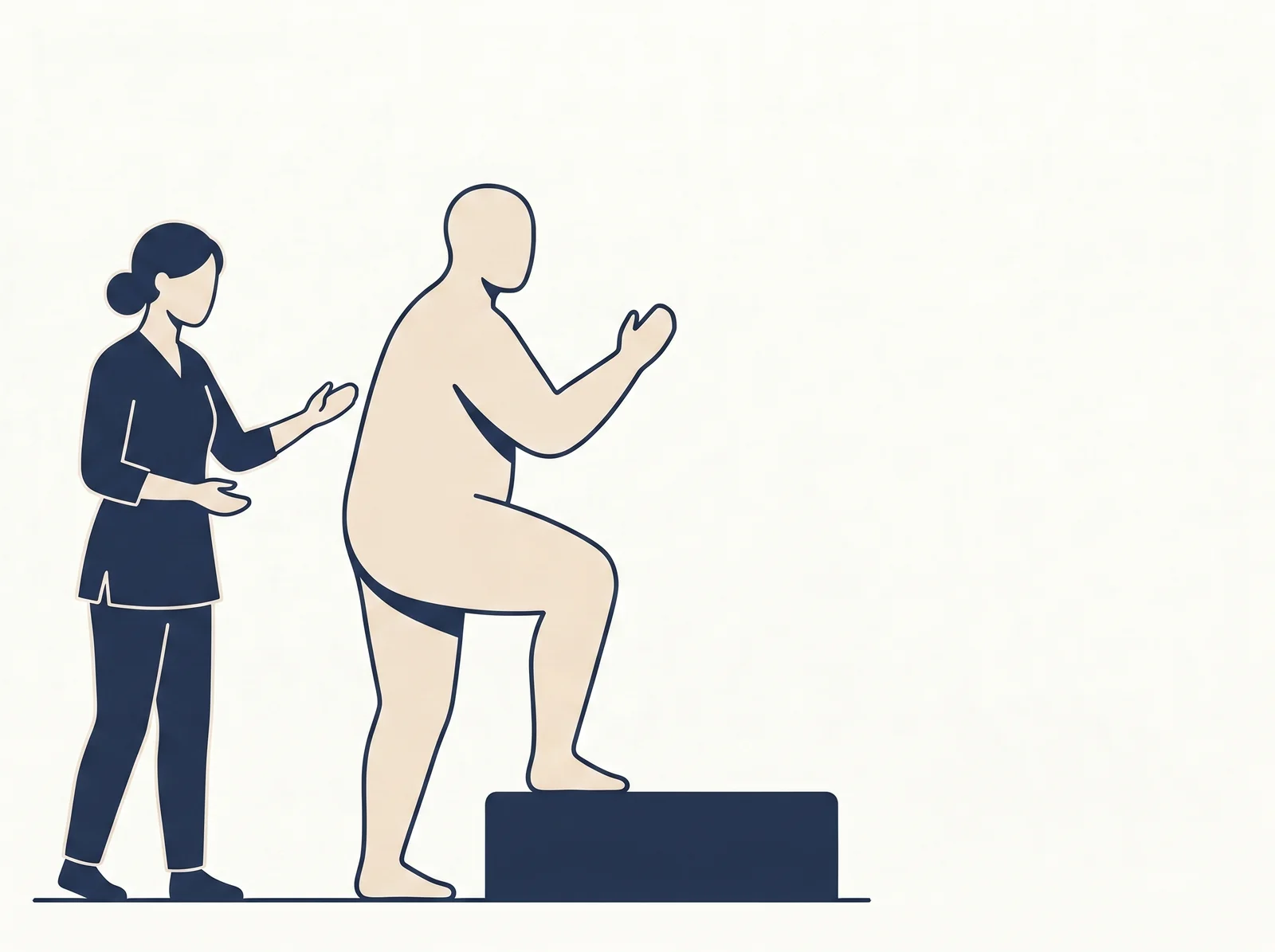
Functional task training
The actual activities you need to do — getting out of bed, stepping into the shower, navigating stairs. We practice what matters most to you.
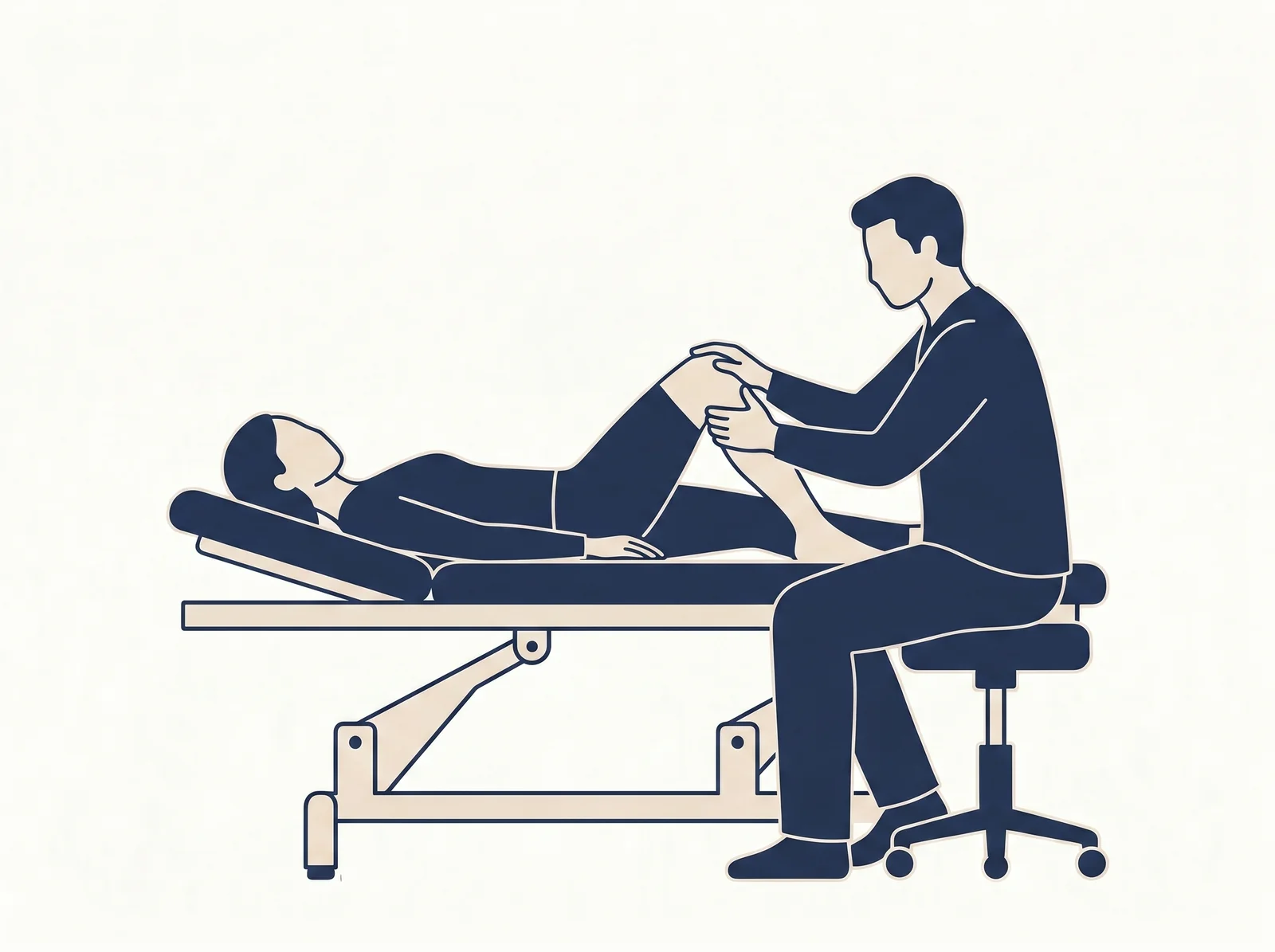
05—Modality
NMES (neuromuscular electrical stimulation)
Electrical stimulation to wake up dormant motor units — particularly valuable for foot drop and post-stroke shoulder dysfunction.
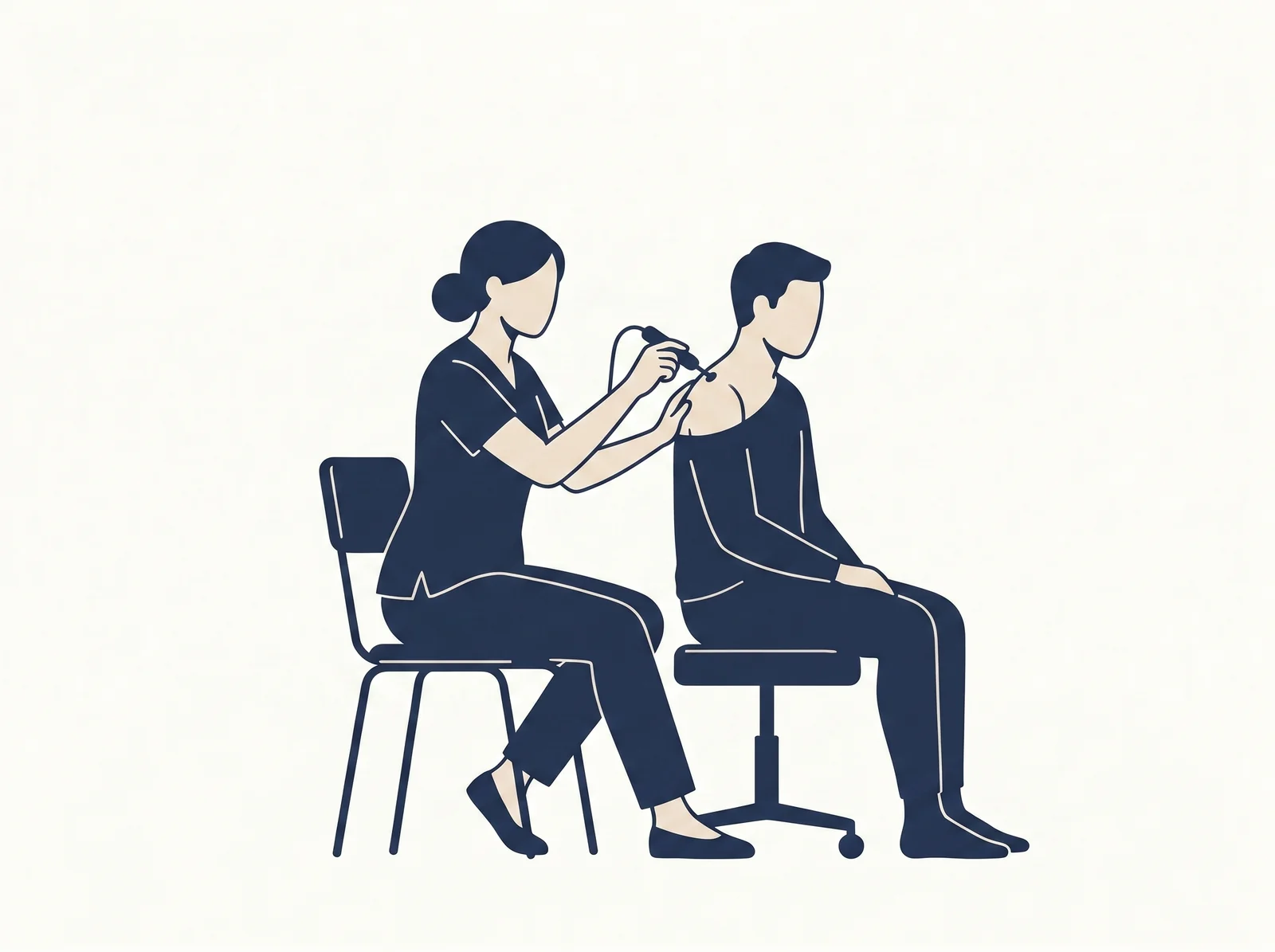
06—Modality
Family & caregiver training
Your family is part of the recovery. We teach safe transfer techniques, home exercise progressions, and how to support recovery without taking over.
What to expect
The phased timeline
most patients follow.
Honest milestones. Cases vary, but most look something like this. We re-test at every phase so progress is measured, not assumed.
- 01Visit 1
Comprehensive evaluation
Functional status, movement assessment, gait analysis, balance testing. We coordinate with your discharging facility and physicians.
- 02Weeks 1–12
Active recovery phase
The window where most measurable gains happen. Frequency typically 2–3 sessions per week, depending on your stage of recovery and tolerance.
- 03Months 3–12
Continued progression
Many patients continue to make gains well past the "official" 6-month window. We adjust the plan as you recover and target the next milestone.
- 04Long-term
Maintenance program
For progressive conditions, periodic check-ins to maintain function. For stable post-stroke or post-SCI patients, a home program calibrated to your goals.
Why Progressive PT
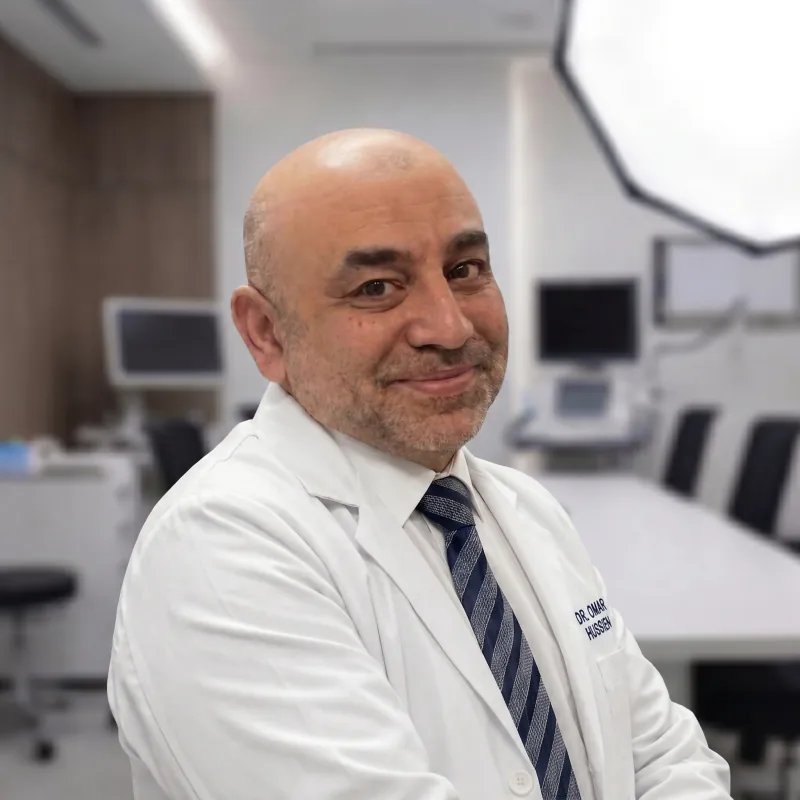
Why Dr. Omar Hussien
leads this specialty.
Dr. Omar Hussien has worked with stroke and neurological patients for nearly three decades. Our sessions are one-on-one and full-length — not the 20-minute concurrent treatment model that dominates much of post-acute outpatient care. For recovery that depends on repetition and quality of practice, the format matters as much as the technique.
Related services
What patients with this diagnosis
often add to their plan.
TBI & Concussion
Concussions don't always resolve on their own — and post-concussion symptoms are highly treatable when addressed correctly. Vestibular, oculomotor, and cervical care under one roof.
Balance & Vestibular
Same-day treatment for most BPPV. Comprehensive vestibular rehab for chronic dizziness, post-concussion symptoms, and age-related balance decline — led by Dr. Omar Hussien.
Geriatric PT
Personalized rehabilitation for adults 65 and over. Fall prevention, post-hospitalization recovery, arthritis management, and the strength work that keeps you independent at home.
Common questions
About stroke & sci
therapy.
As soon as you're medically stable — often within days. Inpatient rehab covers the acute phase. Outpatient rehab typically begins after discharge from inpatient or home health, usually 4–12 weeks post-stroke. The earlier the better, but meaningful recovery is possible at any point — even years out.
Yes. The traditional "6-month window" is misleading. Real recovery happens with sustained, targeted practice — at any time post-stroke. We've worked with patients years out who made meaningful functional gains. The brain doesn't stop being plastic.
Yes. Medicare covers medically necessary outpatient PT, including for stroke and other neurological conditions. There's no longer an annual cap on PT visits (the old "therapy cap" was repealed), but Medicare does require ongoing documentation of progress and periodic re-certification.
Home health PT comes to your house and is appropriate when you're truly homebound. Outpatient PT — what we do — happens in the clinic where we have access to full equipment, parallel bars, the Biodex balance system, and a focused environment without distractions. Most patients transition from home health to outpatient as they become more mobile.
Yes. Both benefit from ongoing structured PT — even though the conditions are progressive. Evidence shows targeted exercise and movement training slow functional decline and preserve quality of life. We build long-term programs that flex with the disease trajectory.
Get started
Book your
stroke & sci evaluation.
Same-week availability for most new patients. We verify your benefits before your first visit.