Recovery
Post-Surgical Physical Therapy
in Hinsdale, IL
A recovery plan written around your specific surgery, your specific surgeon's protocol, and your specific life — not a generic post-op checklist.
Often paired with related care
What we treat
Conditions
seen in this specialty.
We accept these as primary diagnoses. If you're not sure where your case fits, a 60-minute evaluation maps it correctly on day one.
Total knee & hip replacement
Range of motion, strength, gait, and the slow rebuild of confidence. The first 12 weeks shape the next 20 years.
ACL reconstruction
Full nine-month progression from post-op week one through return-to-sport testing. Done right the first time.
Rotator cuff repair
Following your surgeon's protocol exactly — protected motion, then active, then strengthening. The shoulder is unforgiving of shortcuts.
Spinal fusion & laminectomy
Conservative early mobility, progressive strengthening, and the return to daily life without re-aggravating the surgical site.
Shoulder replacement & labral repair
Specific protocols depending on the procedure — anatomic vs. reverse total shoulder, SLAP repair vs. Bankart. We follow your surgeon's lead.
Foot & ankle surgery
Bunionectomy, Achilles repair, ankle reconstruction. Weight-bearing progression and the gait work most rehab plans rush.
Mastectomy & breast reconstruction
Range of motion, scar tissue management, and the lymphatic care that prevents downstream complications. Led by Lamiaa Hefni, CLT-LANA.
When to see a PT
Signals that
warrant an evaluation.
If you notice any of these patterns — even occasionally — it's worth a sixty-minute assessment to map what's actually going on.
Stiffness that isn't improving
Range of motion plateauing in the weeks after surgery. The window to restore it is real — and closing.
Pain that isn't reducing
Post-surgical pain should trend down. When it doesn't, something in the recovery plan needs adjustment.
Weakness in the surgical limb
Normal early on. Persistent after week 6–8 means the strengthening work hasn't been progressive enough.
Difficulty returning to daily activities
Stairs, getting in and out of cars, sleeping comfortably. The basics are the markers.
Compensation patterns
Favoring the non-surgical side, limping, or holding the joint protectively long after you're cleared. Often invisible to you, obvious to us.
How we treat it
The clinical playbook
for this specialty.
01—Modality
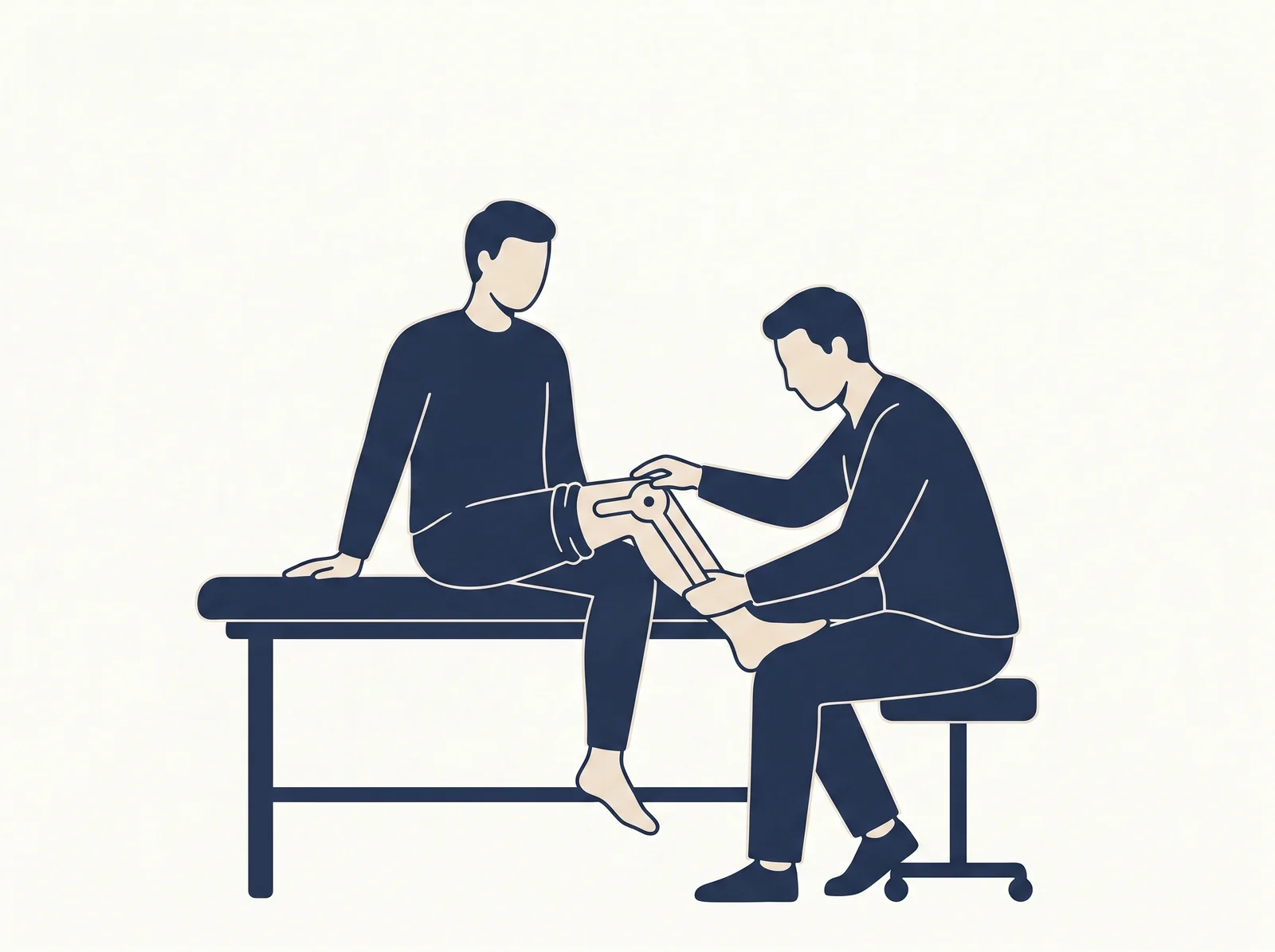
Phase 1 — Protection & early motion
Pain and swelling control, gentle range of motion within your surgeon's parameters, early ambulation if applicable. Manual therapy and modalities to reduce post-op inflammation.
02—Modality
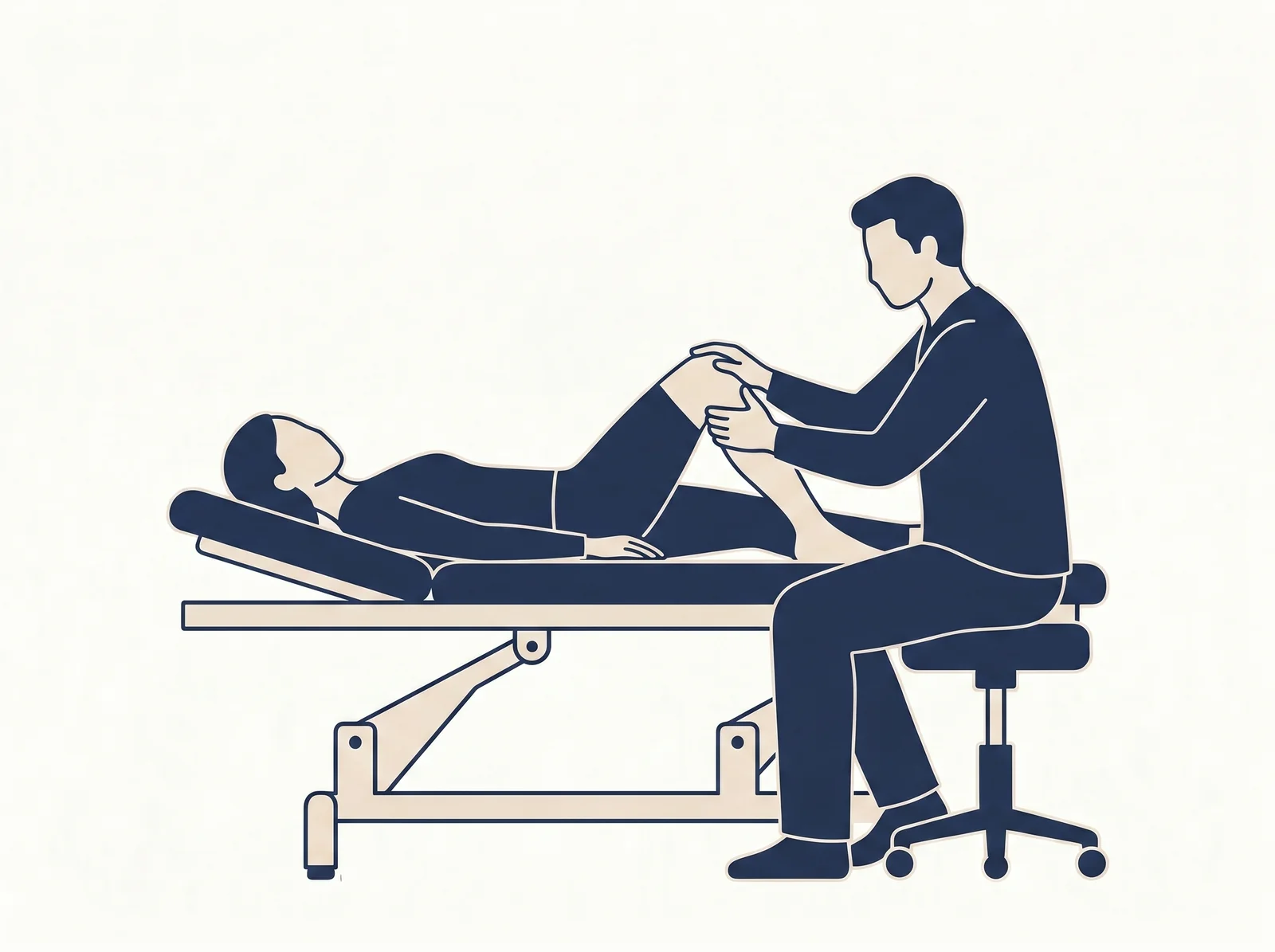
Phase 2 — Range of motion & light strengthening
Progressing motion to functional levels, beginning low-load strengthening, gait normalization for lower-extremity cases.
03—Modality
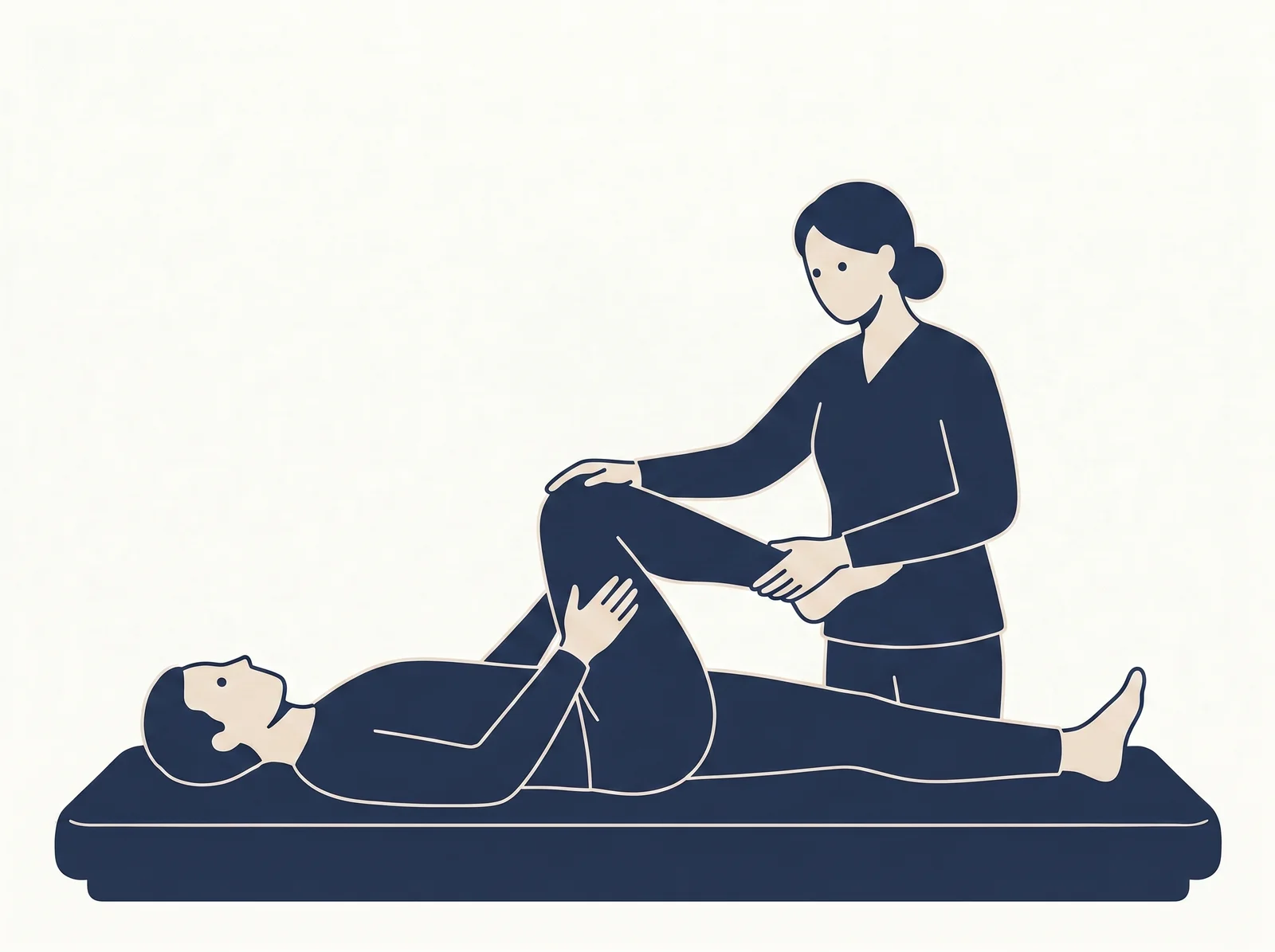
Phase 3 — Progressive strength & stability
Real strengthening, balance, proprioception, and the return of joint control. This is where most patients regain function for daily life.
04—Modality
Phase 4 — Return to sport, work & life
For athletes, return-to-sport progression. For working adults, work-specific demands. For everyone, the activities that matter most to you.
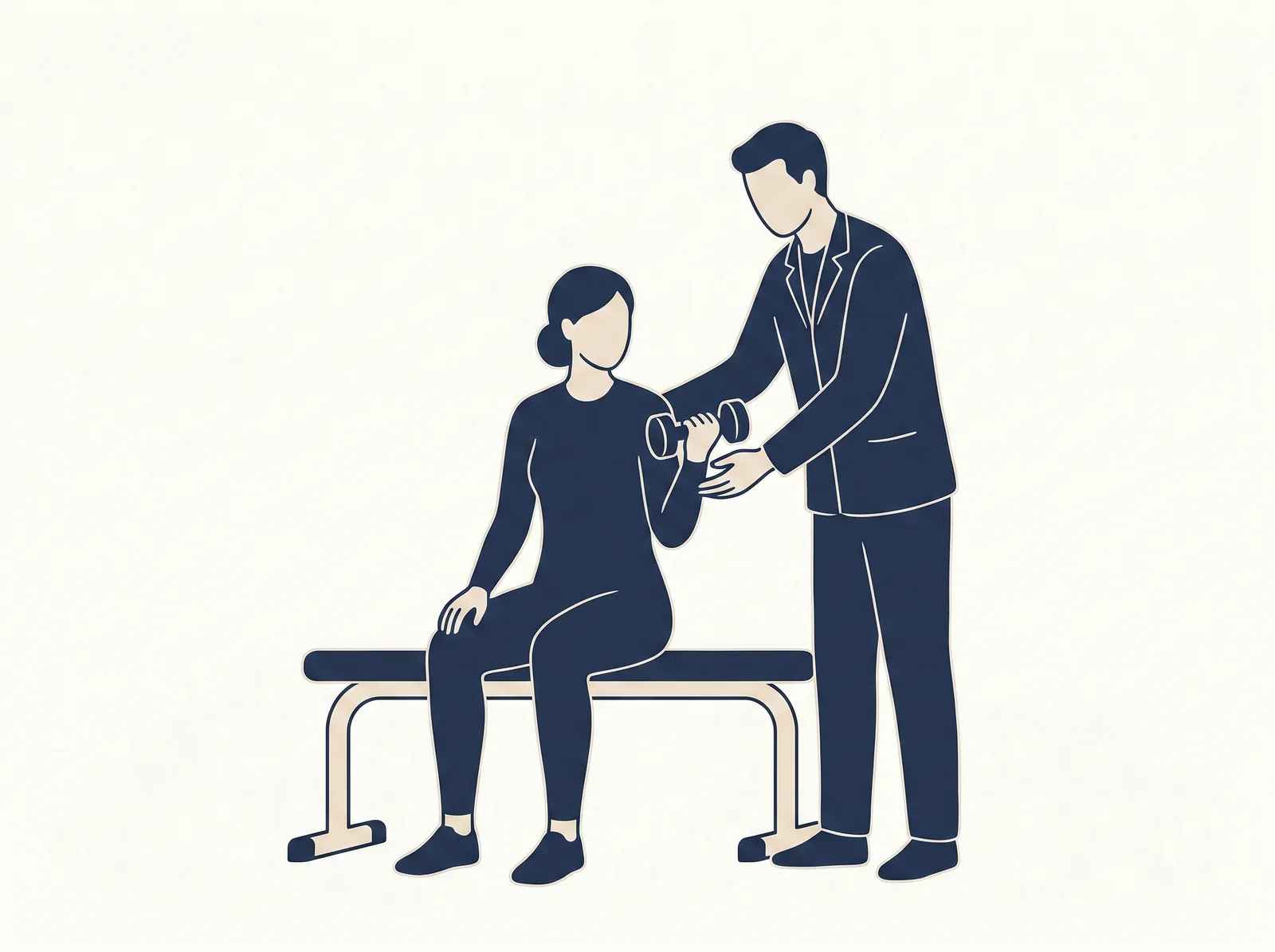
05—Modality
Cold laser & neurostim scar therapy
When inflammation or scar tissue is limiting recovery, we add these modalities. Particularly valuable in the first 8–12 weeks post-op.
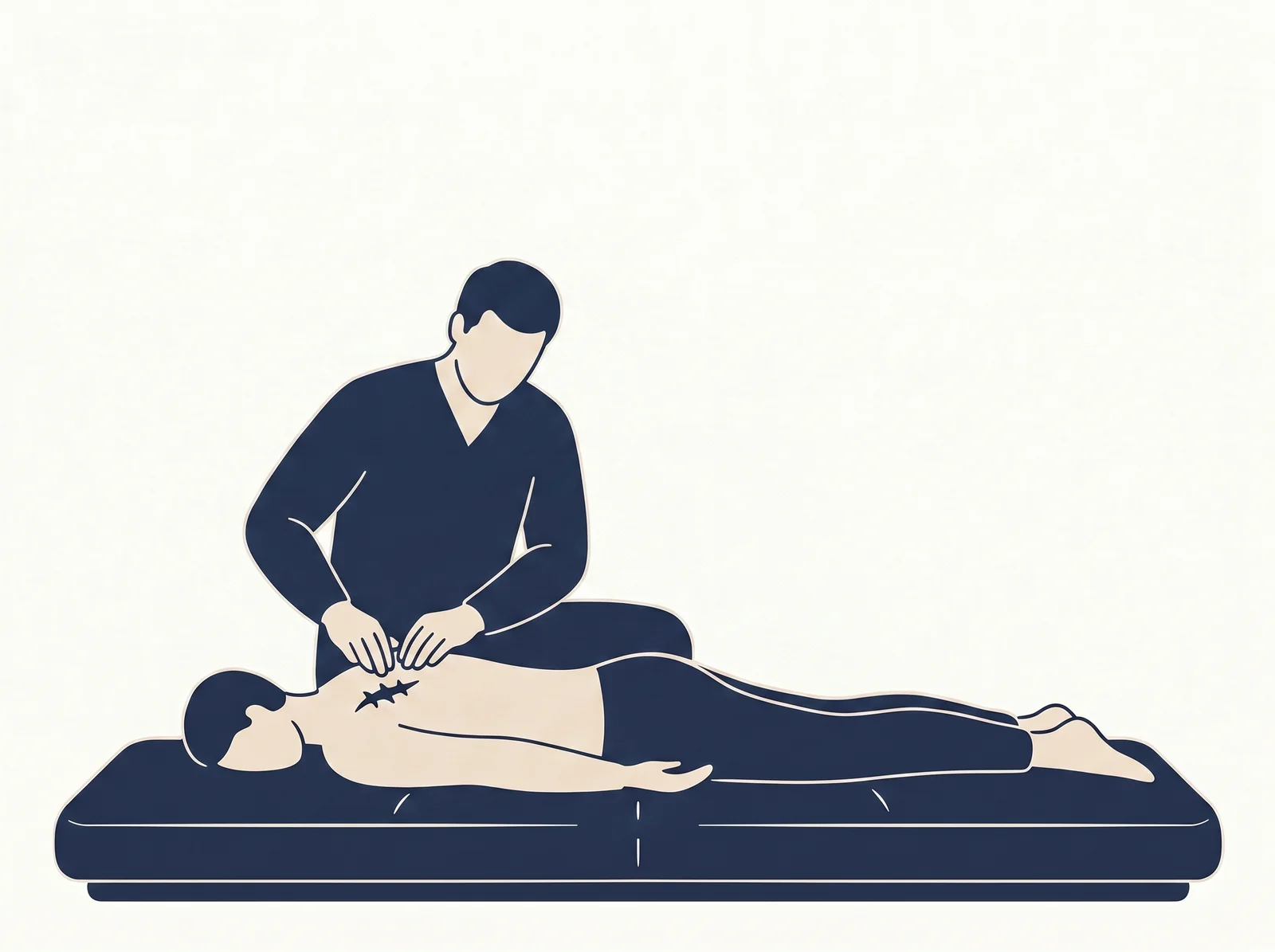
06—Modality
Coordination with your surgeon
We request your operative report and surgeon's protocol. Progress reports go back to their office at regular intervals. You don't manage the communication — we do.
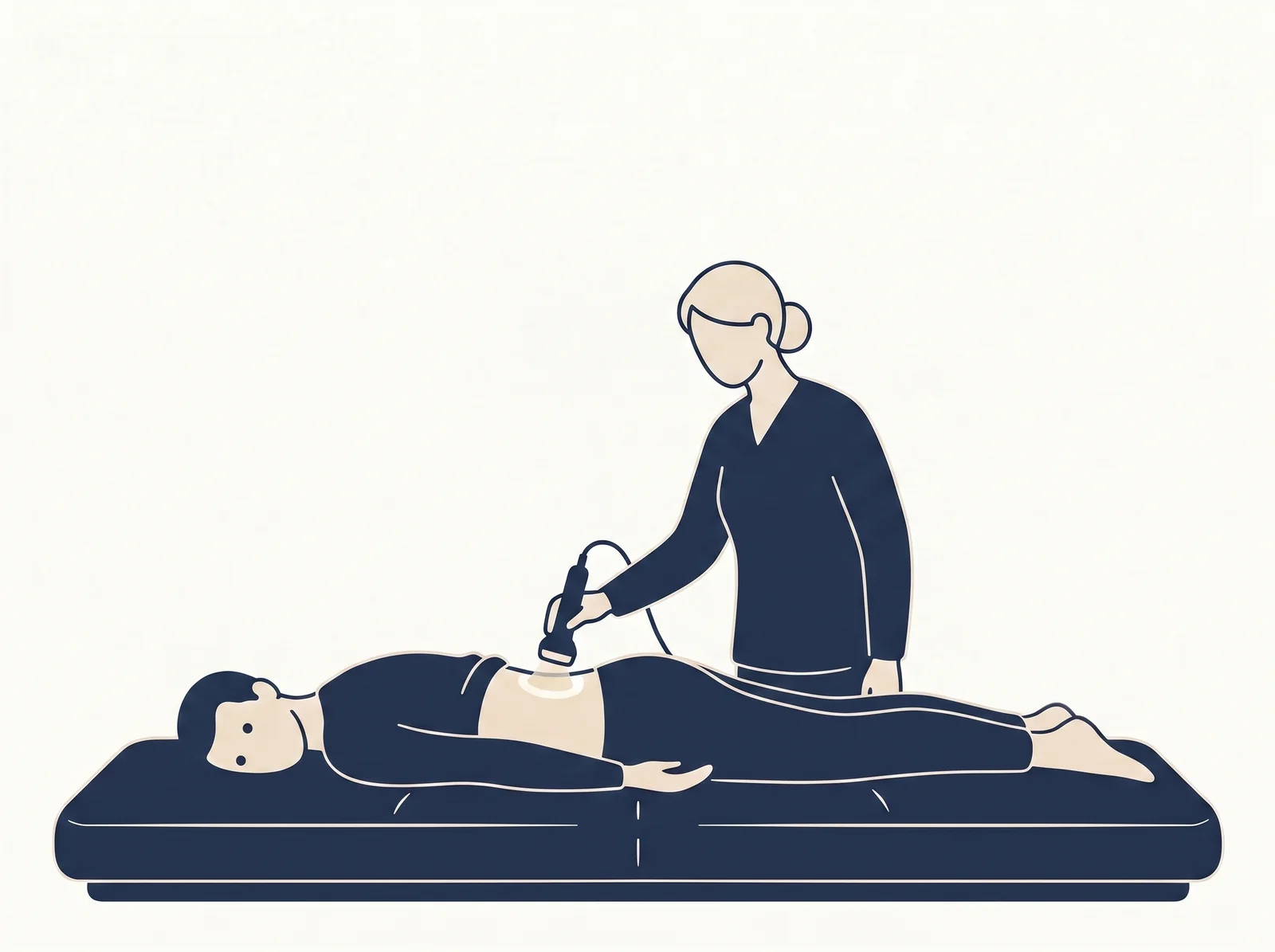
What to expect
The phased timeline
most patients follow.
Honest milestones. Cases vary, but most look something like this. We re-test at every phase so progress is measured, not assumed.
- 01Visit 1
Evaluation & surgeon's protocol review
We confirm your surgical parameters, assess your current status, and build a plan that meets your surgeon's expectations and your personal goals.
- 02Weeks 1–6
Early recovery
Protected motion, swelling control, beginning of progressive loading. Most patients see 2–3 sessions per week in this phase.
- 03Weeks 6–12
Strength & function rebuild
Real strengthening begins. Movement quality is rebuilt. Most daily activities return to normal.
- 04Weeks 12+
Return to full activity
Sport-specific or work-specific demands. Final discharge with a maintenance program tailored to keeping you strong long-term.
Why Progressive PT
Why Progressive PT
leads this specialty.
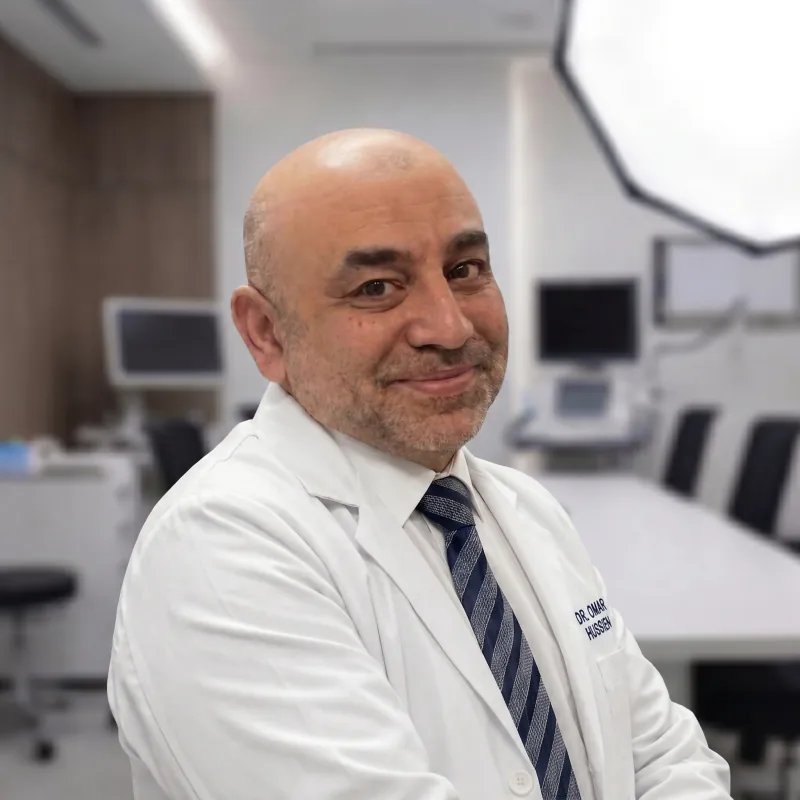
Post-surgical rehab requires close coordination with your surgical team. Dr. Omar Hussien manages orthopedic and spine cases personally. Lamiaa Hefni, CLT-LANA, leads post-mastectomy and post-reconstruction recovery — including the lymphatic care most general PT clinics aren't trained for.
In their own words
Patient outcomes
from this specialty.
"After surgery I needed clear guidance, not guesswork. Lamiaa walked me through each step, kept the pace safe, and helped me regain movement without setbacks."
Related services
What patients with this diagnosis
often add to their plan.
Back Pain & Sciatica
Hour-long, hands-on sessions designed around how your back actually moves — not a generic protocol. Same-week appointments, most insurances accepted.
Sports PT
Recovery that respects your sport. Whether you're a high school athlete, a weekend runner, or a competitive masters lifter, we get you back to doing what you love — stronger than before.
Lymphedema & Oncology
Most clinics call themselves lymphedema-friendly. Lamiaa Hefni holds the CLT-LANA — the credential roughly 1 in 100,000 Americans is qualified to carry. That is the difference between learning lymphedema and specializing in it.
Common questions
About post-surgical rehab
therapy.
Depends on the procedure. Some surgeries (joint replacements, many shoulder procedures) start PT within the first week. Others (some spinal procedures, certain reconstructions) wait 2–6 weeks. Your surgeon's protocol determines the start date, and we coordinate directly with their office.
For most orthopedic surgeries, 12–24 sessions over 2–4 months is typical. Joint replacements often run longer — up to 12–16 weeks. Your surgical procedure, your starting fitness, and how well your body responds all factor in. We'll give you a realistic estimate at evaluation.
Yes, with a few requirements: a physician's order, documentation of medical necessity, and ongoing progress. We handle the billing and the documentation. There's no annual cap on PT visits anymore (the old "therapy cap" was repealed), but Medicare does require periodic re-certification.
Home programs are essential — and we'll give you one. But the in-clinic work isn't about the exercises themselves. It's the hands-on manual therapy, the progressive loading you can't replicate alone, the gait and movement analysis, and the adjustments we make every visit based on how you're responding. Home exercise alone produces meaningfully worse outcomes for most post-surgical recoveries.
We'll request it directly from their office. Most surgical practices have standardized post-op protocols for common procedures. If yours doesn't, we use evidence-based protocols specific to your procedure and coordinate any deviations with your surgical team.
Get started
Book your
post-surgical rehab evaluation.
Same-week availability for most new patients. We verify your benefits before your first visit.