
Spine
Back Pain & Sciatica Physical Therapy
in Hinsdale, IL
Hour-long, hands-on sessions designed around how your back actually moves — not a generic protocol. Same-week appointments, most insurances accepted.
Often paired with related care
What we treat
Conditions
seen in this specialty.
We accept these as primary diagnoses. If you're not sure where your case fits, a 60-minute evaluation maps it correctly on day one.
Lower back pain
Acute strain, chronic ache, or the recurring "I threw it out again" episodes that disrupt work and sleep.
Sciatica
Sharp, radiating pain down one leg — often with numbness or tingling — caused by irritation of the sciatic nerve.
Herniated or bulging discs
Disc material pressing on nearby nerves, causing back pain, leg pain, or both.
Spinal stenosis
Narrowing of the spinal canal that produces pain or weakness when standing or walking, usually relieved by sitting.
Sacroiliac (SI) joint dysfunction
Pain at the base of the spine where the pelvis meets the sacrum — often mistaken for hip or low back pain.
Degenerative disc disease
Age- or activity-related disc wear that responds remarkably well to targeted strengthening and movement work.
When to see a PT
Signals that
warrant an evaluation.
If you notice any of these patterns — even occasionally — it's worth a sixty-minute assessment to map what's actually going on.
Pain radiating down the leg
Especially below the knee — a classic sciatica indicator.
Numbness or tingling
In the foot, toes, or buttock. Worth getting evaluated before nerve symptoms become chronic.
Pain that shifts with position
Worse when sitting, standing, or sleeping — or all three at different times of day.
Recurring back "episodes"
Pain that comes and goes every few months. The pattern is treatable — usually a movement or strength deficit feeding the cycle.
Stiffness after rest
Takes 15–20 minutes to "loosen up" in the morning or after sitting.
Difficulty bending or twisting
Picking something off the floor or turning to look behind you produces a sharp catch.
How we treat it
The clinical playbook
for this specialty.
01—Modality
Comprehensive movement evaluation
We start with how your spine actually moves — not just where it hurts. Most back pain comes from a mismatch between what your body can do and what your daily life asks of it. We find the mismatch.
02—Modality
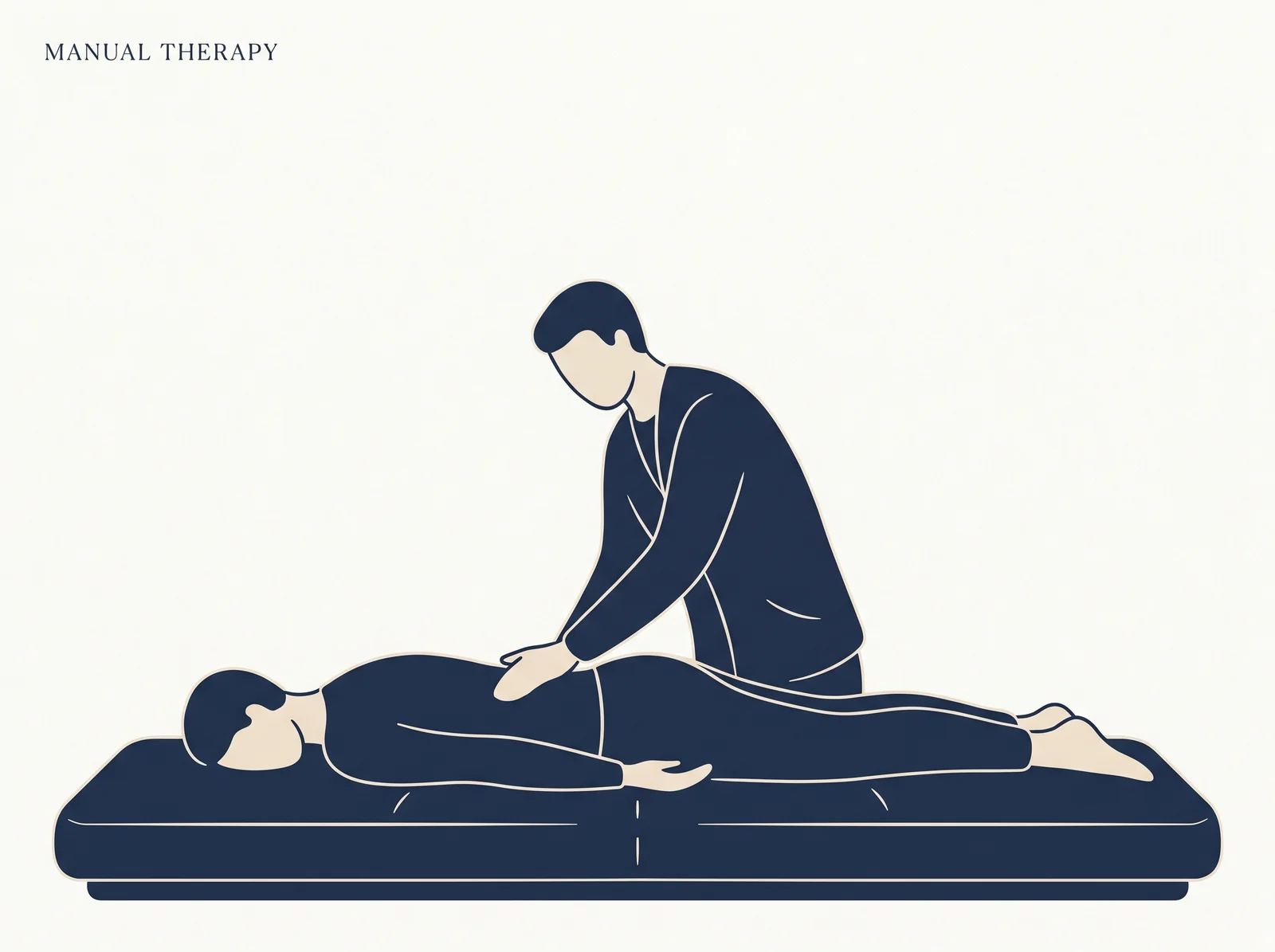
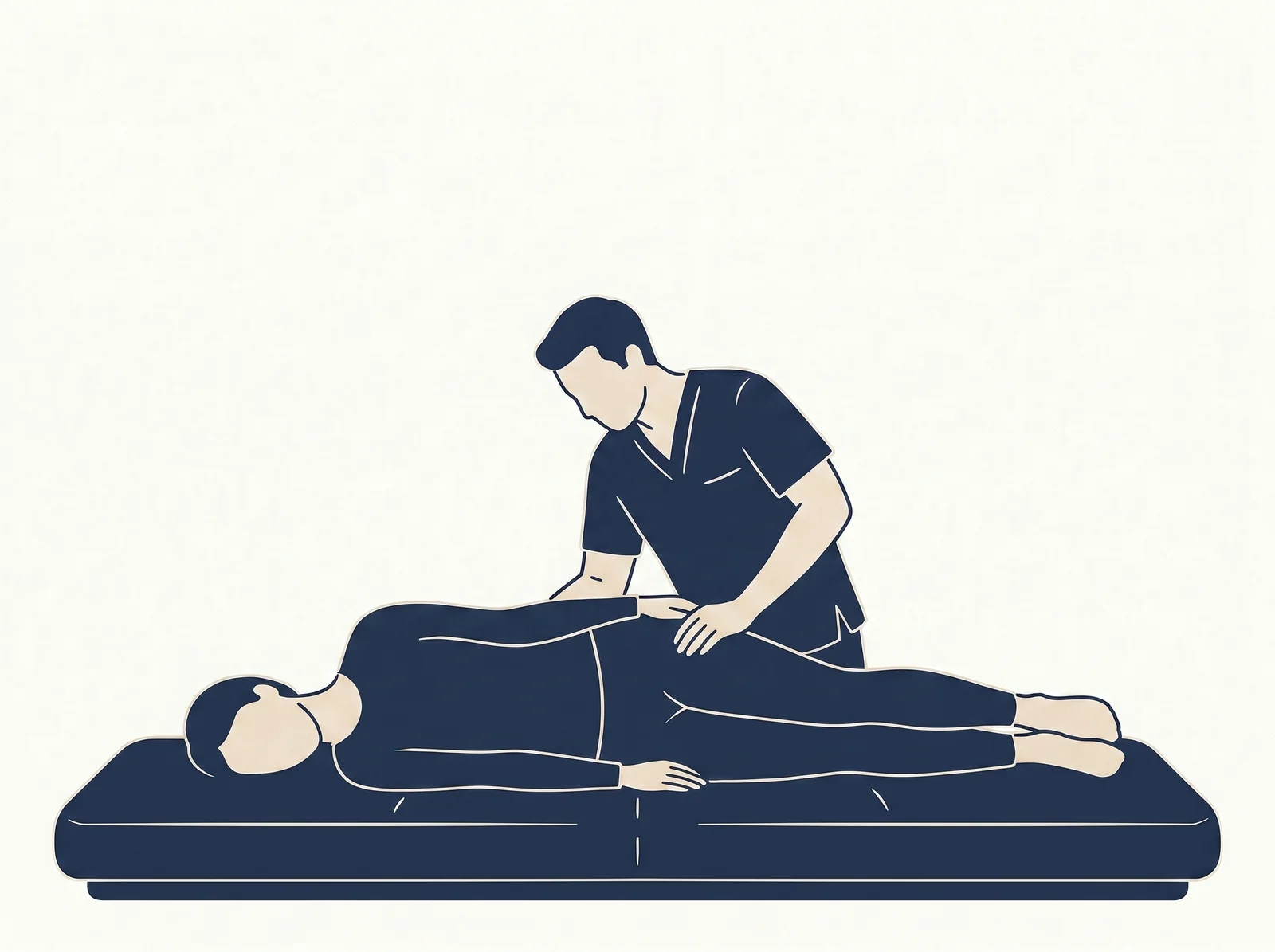
Manual therapy & soft tissue work
Hands-on joint mobilization, myofascial release, and targeted soft tissue work to restore mobility where it's missing and calm down tissue that's irritated.
03—Modality
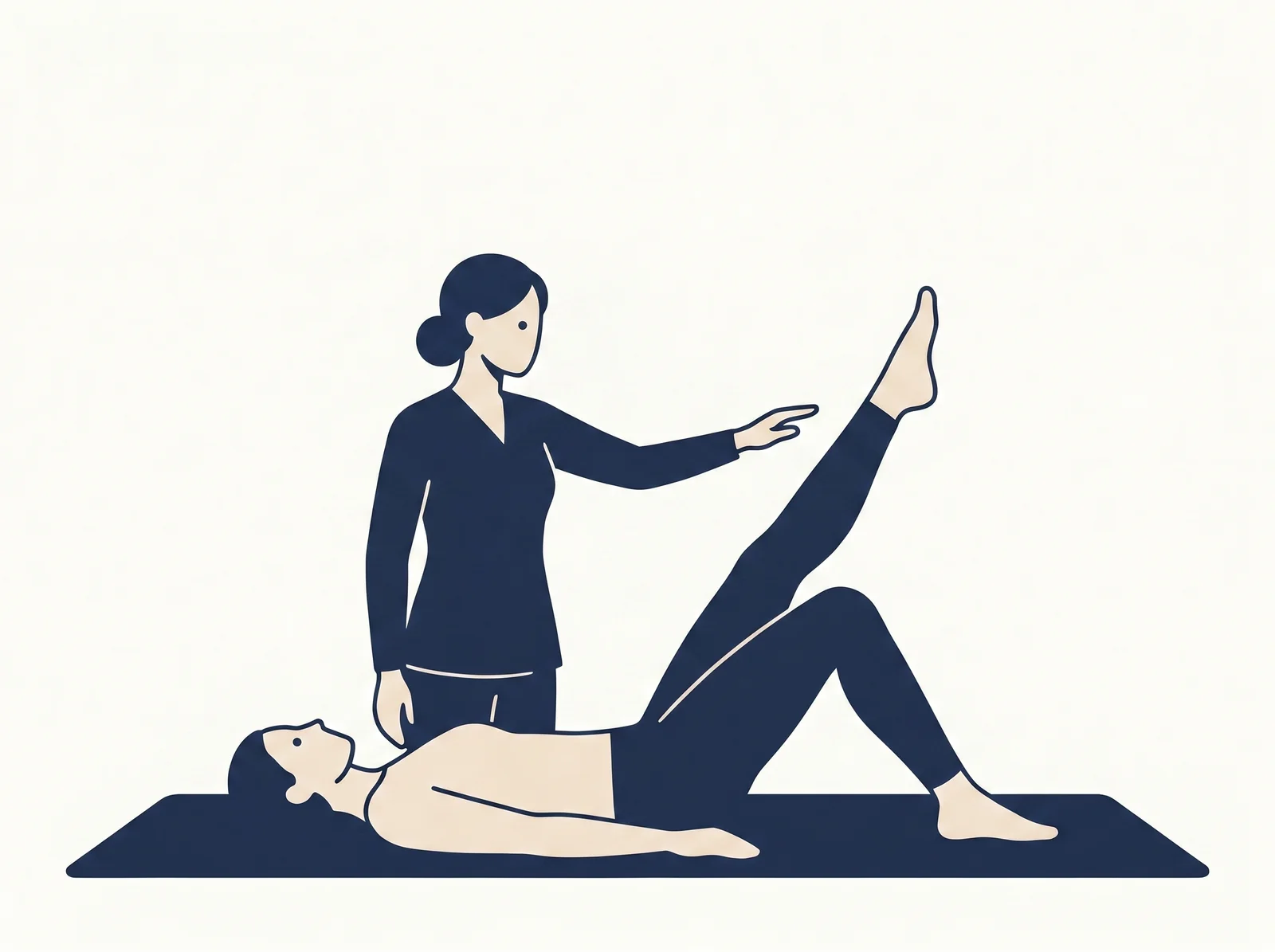
McKenzie Method & directional preference exercises
For most disc-related pain, there's a specific direction of movement that centralizes the symptoms. We find yours and build a home routine around it.
04—Modality
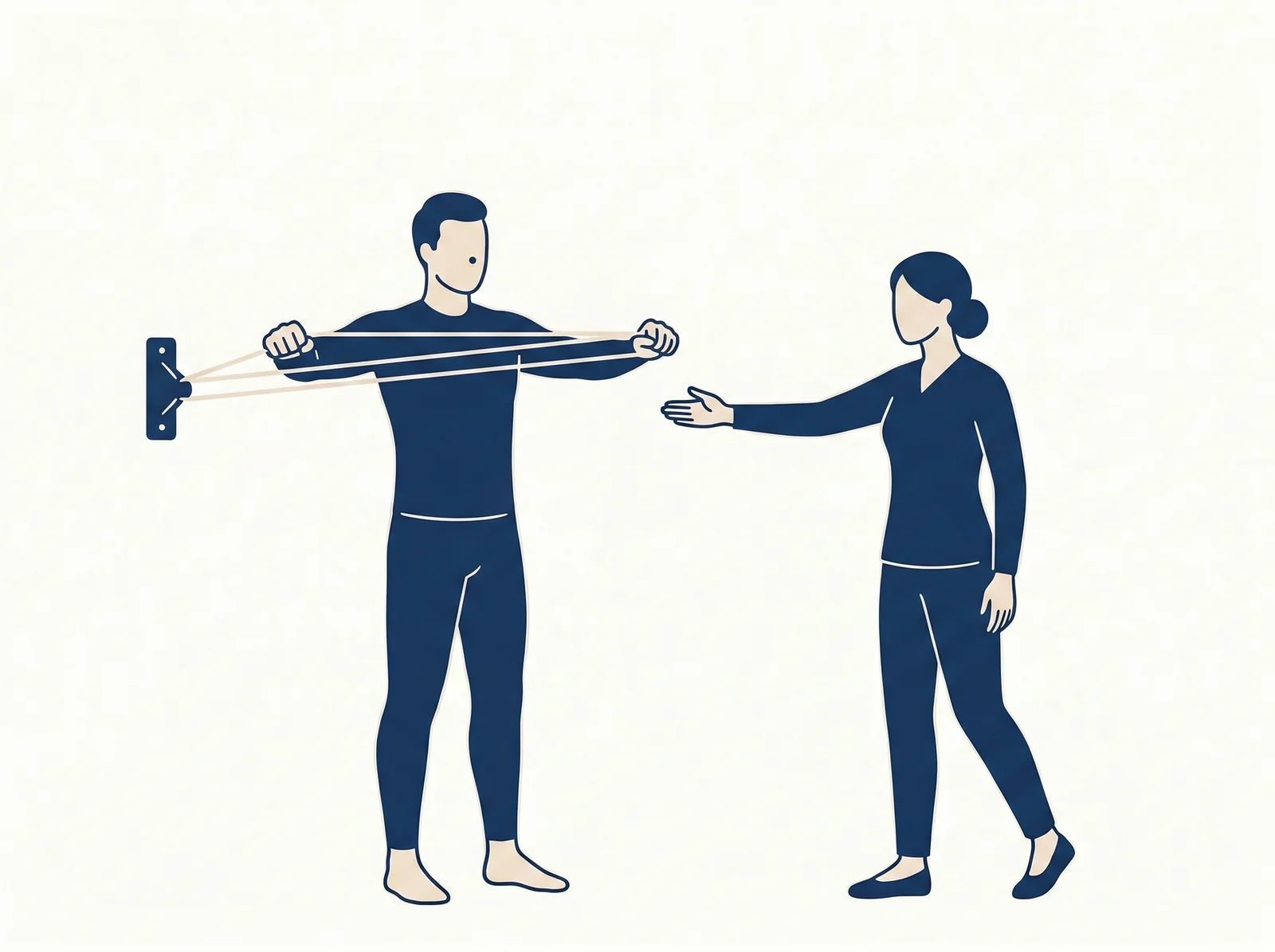
Core stabilization & strength
Not crunches. Real, functional core work — the deep stabilizers that protect your spine during everyday movement. This is what prevents the next episode.
05—Modality
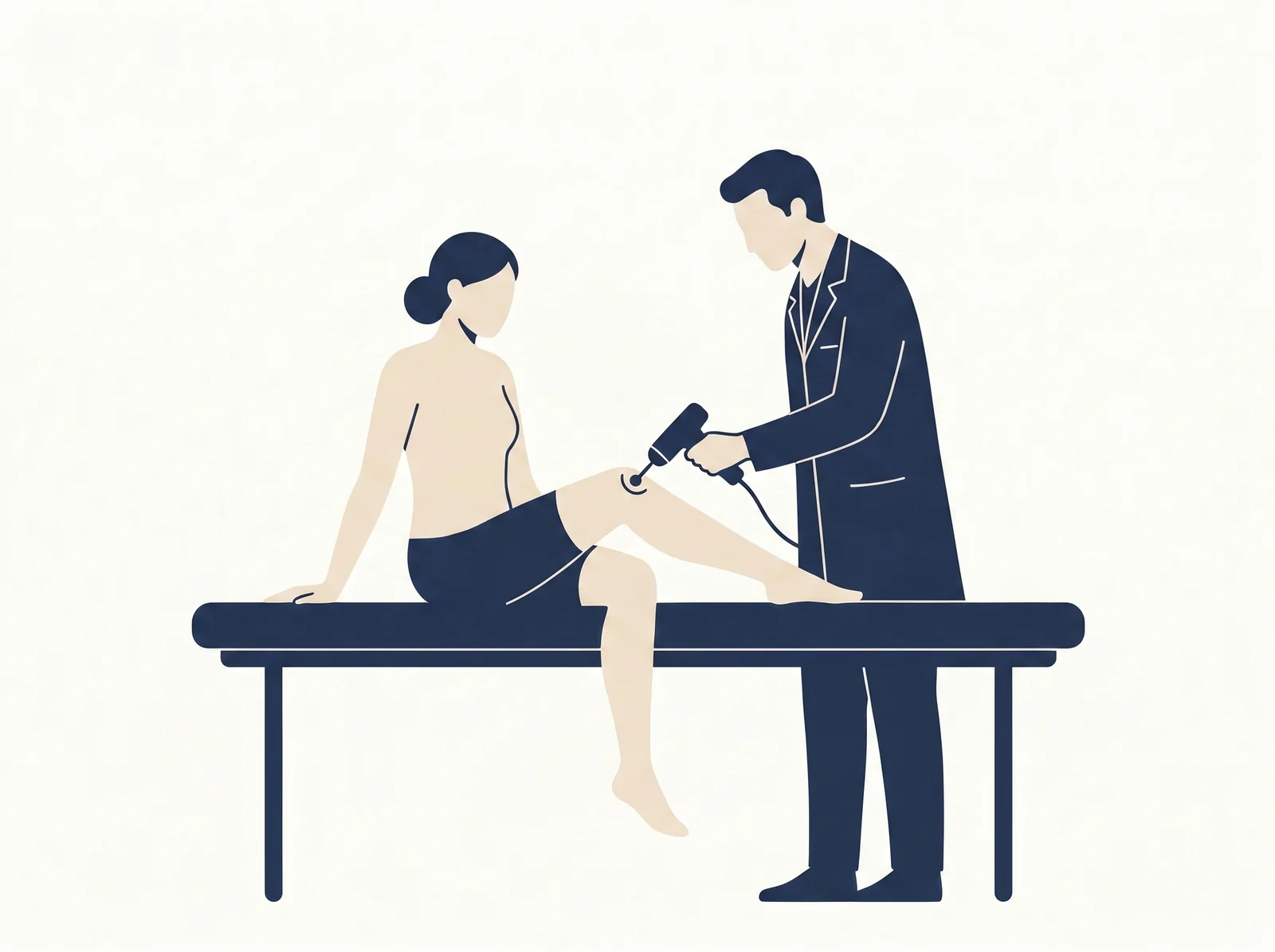
Cold laser & shockwave therapy
When inflammation or tendon irritation is part of the picture, we add these modalities to accelerate tissue healing. Drug-free, no downtime.
06—Modality
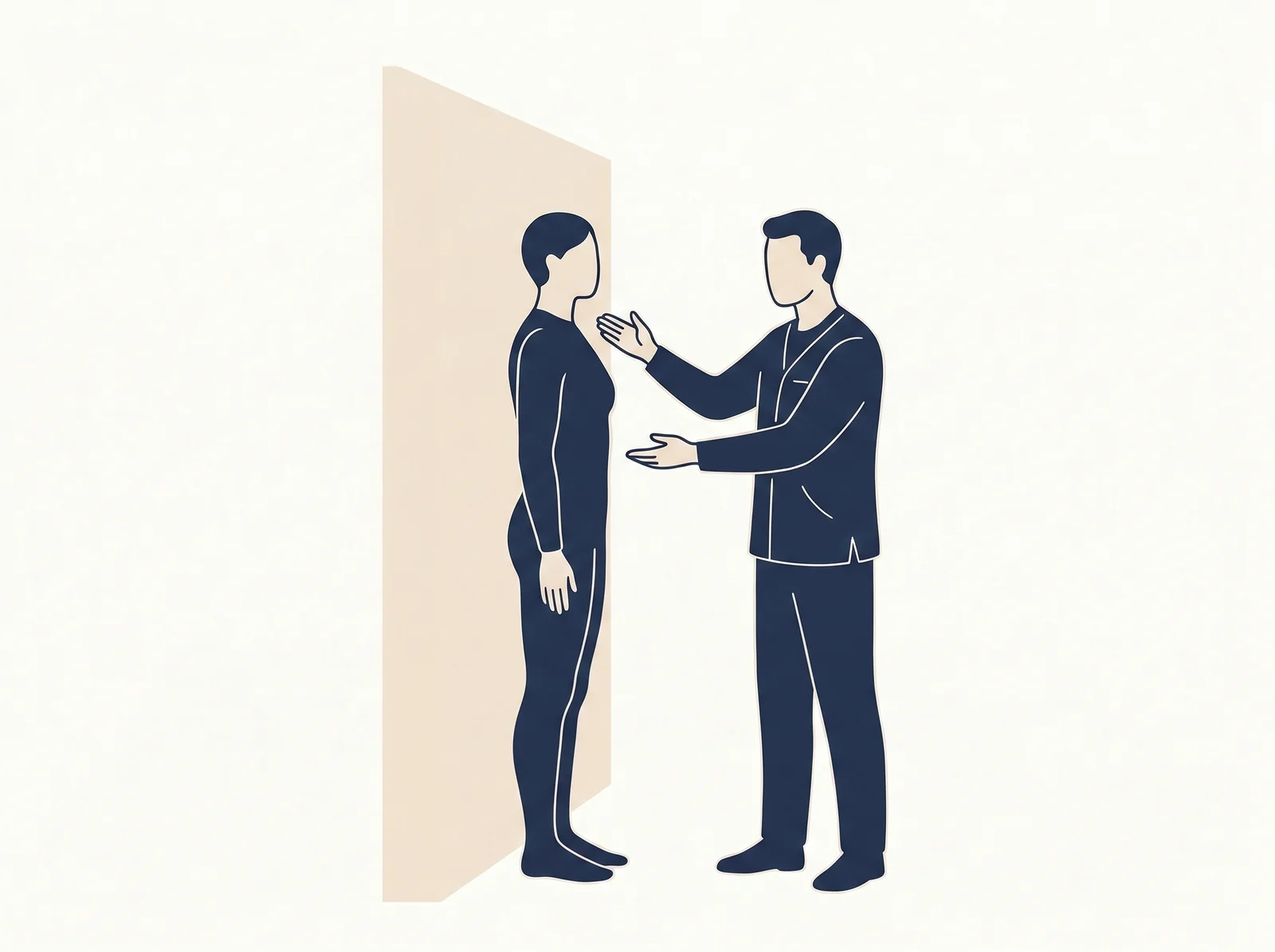
Posture, ergonomics & movement education
How you sit at your desk, how you sleep, how you pick up your kids — small daily mechanics that compound. We teach you what to change.
What to expect
The phased timeline
most patients follow.
Honest milestones. Cases vary, but most look something like this. We re-test at every phase so progress is measured, not assumed.
- 01Visit 1
Evaluation & first treatment
A full hour. We assess movement, strength, and the specific patterns driving your pain. You leave with hands-on treatment and a clear plan.
- 02Weeks 1–3
Pain reduction phase
Most patients see meaningful symptom relief in the first 2–3 weeks. We focus on calming the irritated tissue and restoring the movements that hurt.
- 03Weeks 3–6
Strength & stability phase
Once the pain is manageable, we rebuild the strength and control that prevents recurrence. This is the part most clinics skip.
- 04Discharge
Independent maintenance
You leave with a home program calibrated to your life, your work, and your goals — not a printout. Most patients stay pain-free with 10–15 minutes a day.
Why Progressive PT
Why Dr. Omar Hussien
leads this specialty.
Dr. Omar Hussien has spent 29 years treating spines. Every back pain evaluation at Progressive PT is performed by him personally — not delegated to a tech or aide. One therapist, one hour, your back.

In their own words
Patient outcomes
from this specialty.
"My back had been tight for months. Omar did a careful exam, explained what he saw in regular words, and set a plan I could follow during a busy week. The first wins were tiny, then I noticed I was sitting through meetings, then walking after dinner without that nagging ache. Progress I could depend on."
"Week 8 update: still pain free. Omar gave me lifetime exercises that take 5 minutes."
Related services
What patients with this diagnosis
often add to their plan.
Post-Surgical Rehab
A recovery plan written around your specific surgery, your specific surgeon's protocol, and your specific life — not a generic post-op checklist.
Sports PT
Recovery that respects your sport. Whether you're a high school athlete, a weekend runner, or a competitive masters lifter, we get you back to doing what you love — stronger than before.
Cold Laser
Low-level laser therapy for pain, inflammation, and tissue healing. Drug-free, non-invasive, FDA-cleared. Used alongside hands-on PT when the evidence supports it.
Common questions
About back pain & sciatica
therapy.
For most patients, yes. The majority of sciatica cases resolve with targeted PT — usually within 6–12 weeks. Surgery is reserved for cases with progressive neurological symptoms or pain that doesn't respond to conservative care after a fair trial. We can usually tell within the first 2–3 visits whether you're a strong candidate for PT alone.
Most patients notice meaningful improvement within 2–3 visits. Full resolution typically takes 6–12 visits over 4–8 weeks, depending on how long the pain has been there and what's driving it. We'll give you a realistic estimate at your first evaluation.
Usually not. Imaging is most useful when symptoms are severe, progressive, or haven't responded to conservative care. Most back pain — even disc-related pain — can be evaluated and treated without an MRI. If we think you need one, we'll tell you.
Yes, and we'll teach you how. The wrong movements make sciatica worse, but the right ones speed recovery. Bed rest is the worst thing for most back pain. We'll show you exactly what to do — and what to avoid — at your first visit.
No. Illinois allows direct access to physical therapy, which means you can schedule an evaluation without seeing a doctor first. If we determine you need imaging or a physician's opinion, we'll coordinate that for you.
Get started
Book your
back pain & sciatica evaluation.
Same-week availability for most new patients. We verify your benefits before your first visit.