Modality
Cold Laser Therapy
in Hinsdale, IL
Low-level laser therapy for pain, inflammation, and tissue healing. Drug-free, non-invasive, FDA-cleared. Used alongside hands-on PT when the evidence supports it.
Often paired with related care
What we treat
Conditions
seen in this specialty.
We accept these as primary diagnoses. If you're not sure where your case fits, a 60-minute evaluation maps it correctly on day one.
Chronic back & neck pain
Especially when inflammation or chronic muscle tension is part of the pain pattern.
Joint pain & arthritis
Knee, shoulder, and hand arthritis often respond well to cold laser as part of a broader treatment plan.
Tendonitis & tendinopathy
Tennis elbow, rotator cuff tendinopathy, patellar tendonitis — all conditions where laser supports tissue healing.
Nerve pain & neuropathy
Including diabetic peripheral neuropathy and post-surgical nerve irritation. Evidence is encouraging for symptom reduction.
Post-surgical inflammation
In the first 8–12 weeks after surgery, cold laser accelerates the inflammatory phase of healing.
Sports injuries
Sprains, strains, contusions. Cold laser combined with manual therapy and progressive loading shortens recovery in most cases.
How we treat it
The clinical playbook
for this specialty.
01—Modality
How low-level laser therapy works
Specific wavelengths of light penetrate tissue and stimulate cellular processes — ATP production, reduced inflammatory markers, and improved circulation. The mechanism is well-documented; the effect varies by condition.
02—Modality
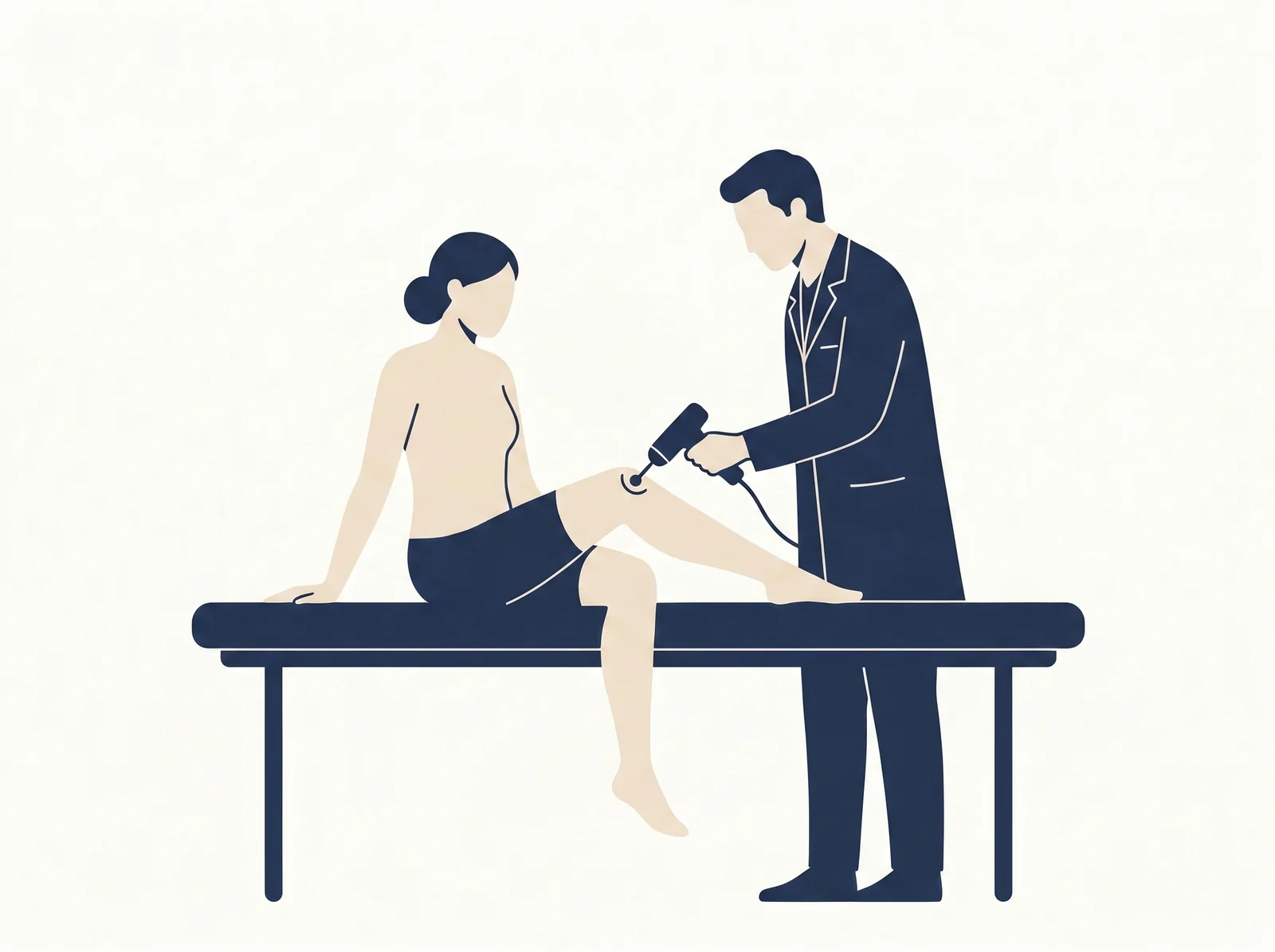
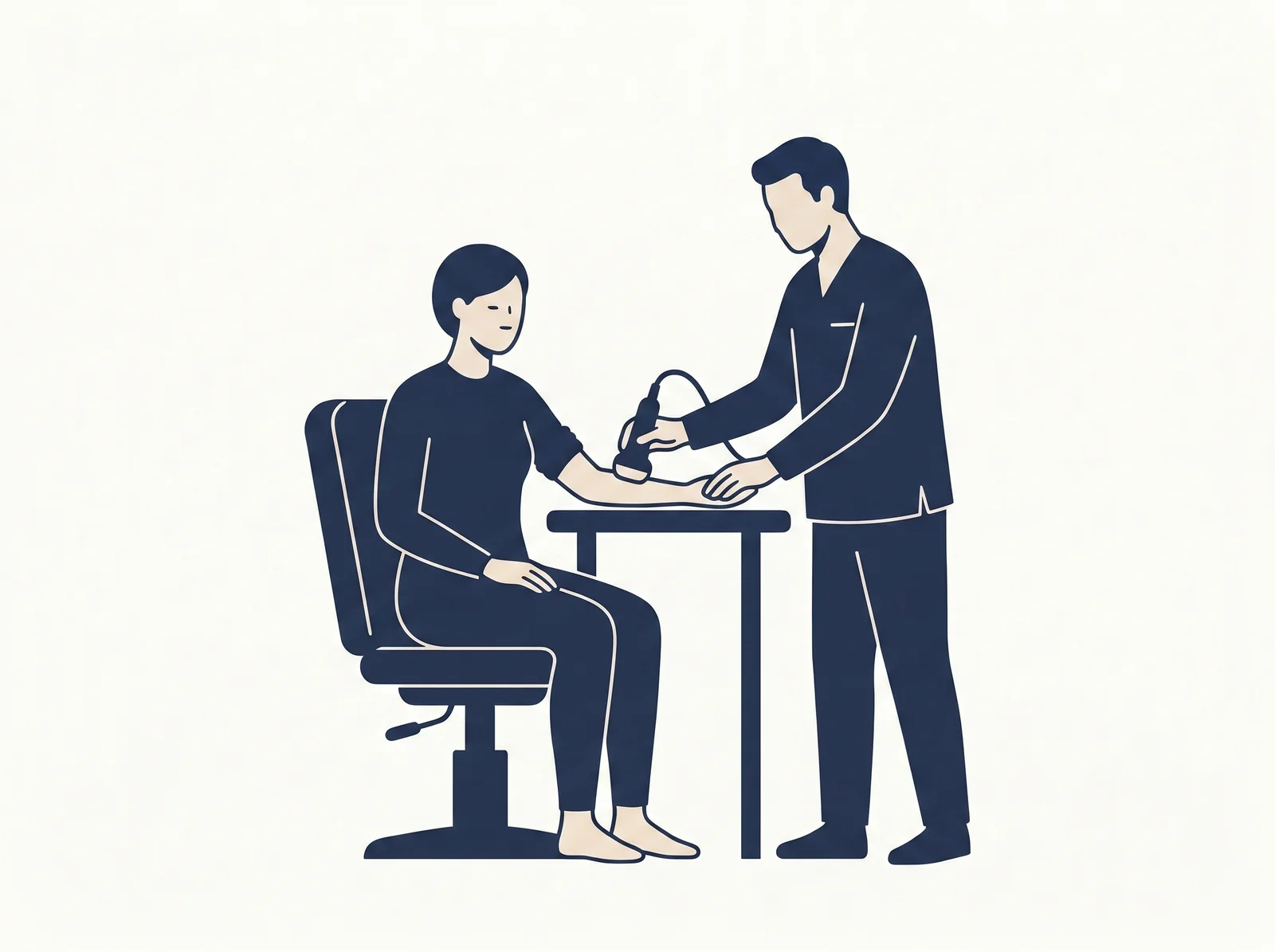
Treatment length: 5–15 minutes
A single laser session is short. The laser is moved across the affected area with no contact and no sensation beyond a slight warmth.
03—Modality
No heat, no pain, no downtime
Cold laser doesn't produce thermal effects. There's no discomfort during treatment and no recovery time afterward. You leave and go about your day.
04—Modality
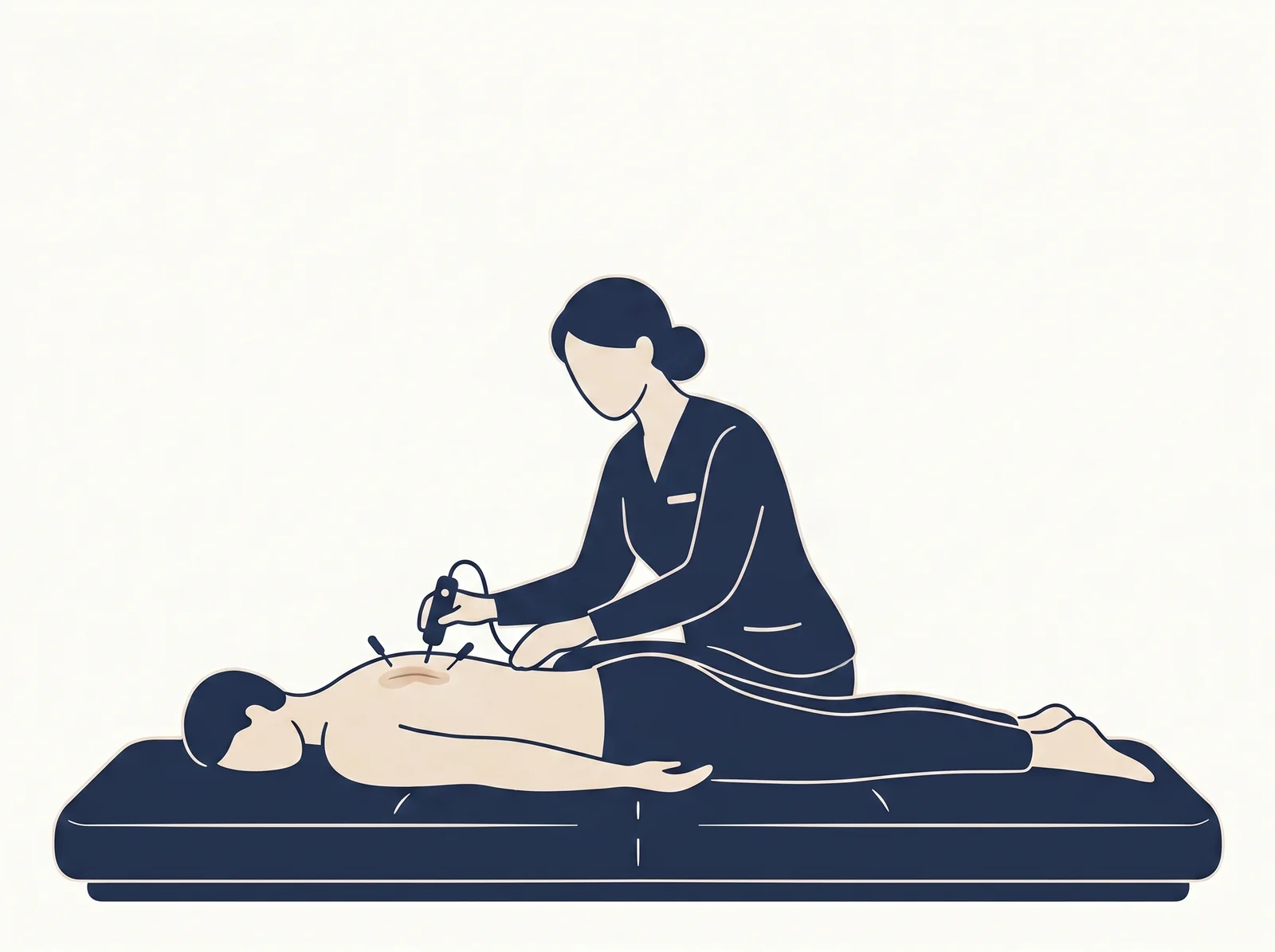
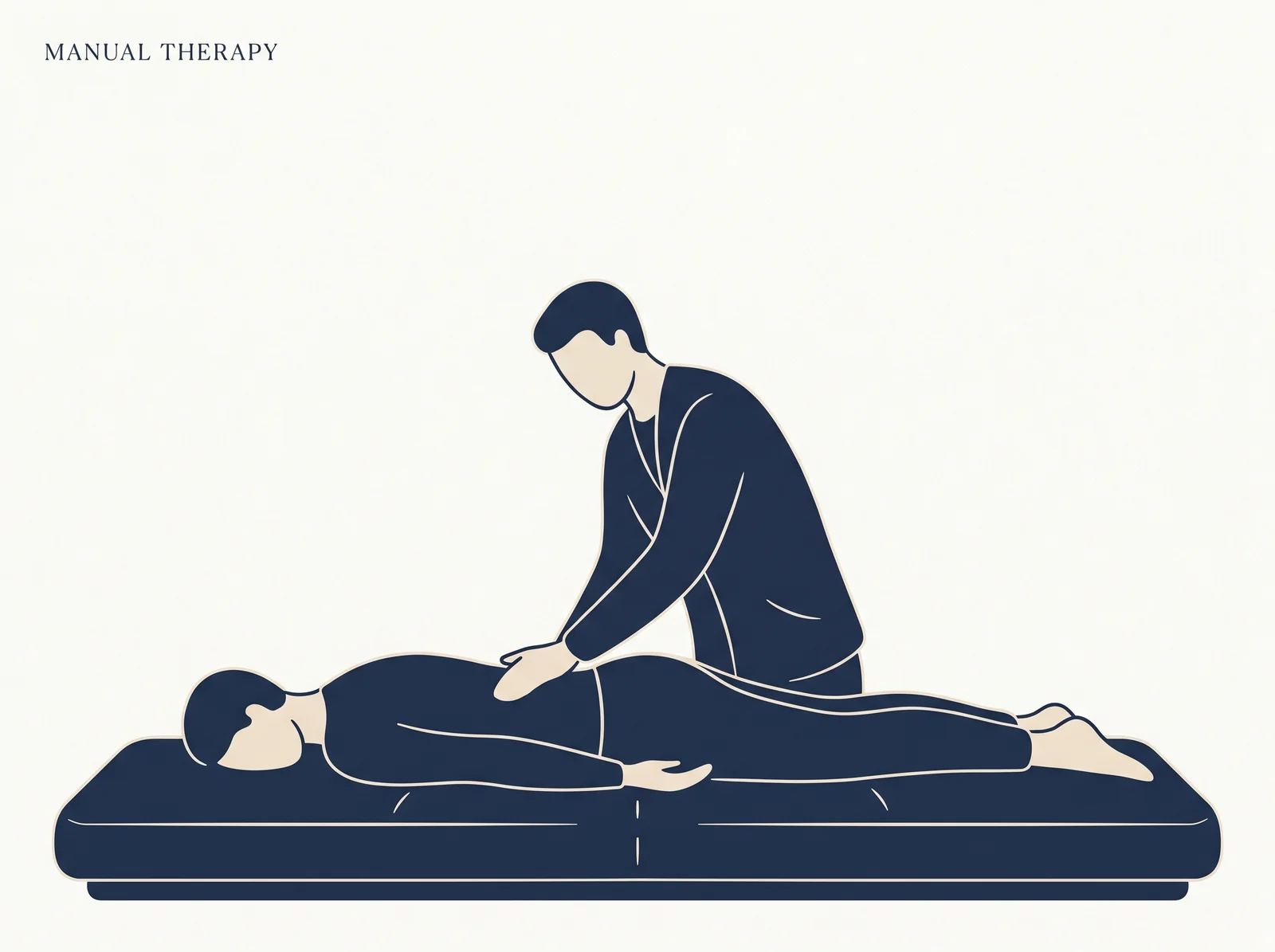
Combined with hands-on PT
Cold laser isn't a standalone treatment for most conditions. It works best as one component of a comprehensive PT plan — accelerating the response to manual therapy and exercise.
05—Modality
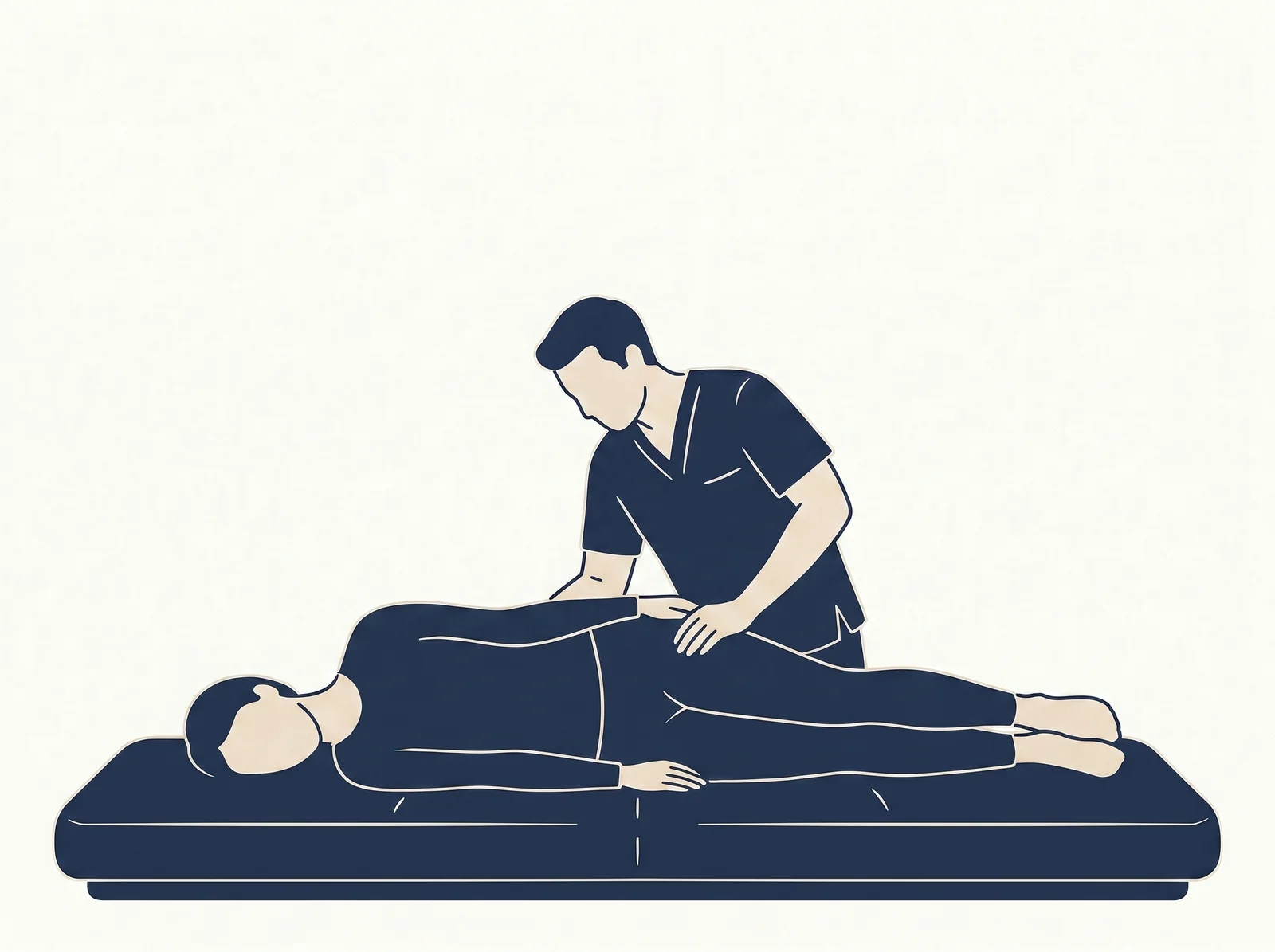
Typical course: 6–12 sessions
Most conditions show response within 3–6 sessions. A full course is typically 6–12 visits over 3–6 weeks, often paired with other PT interventions.
06—Modality
Honest about the evidence
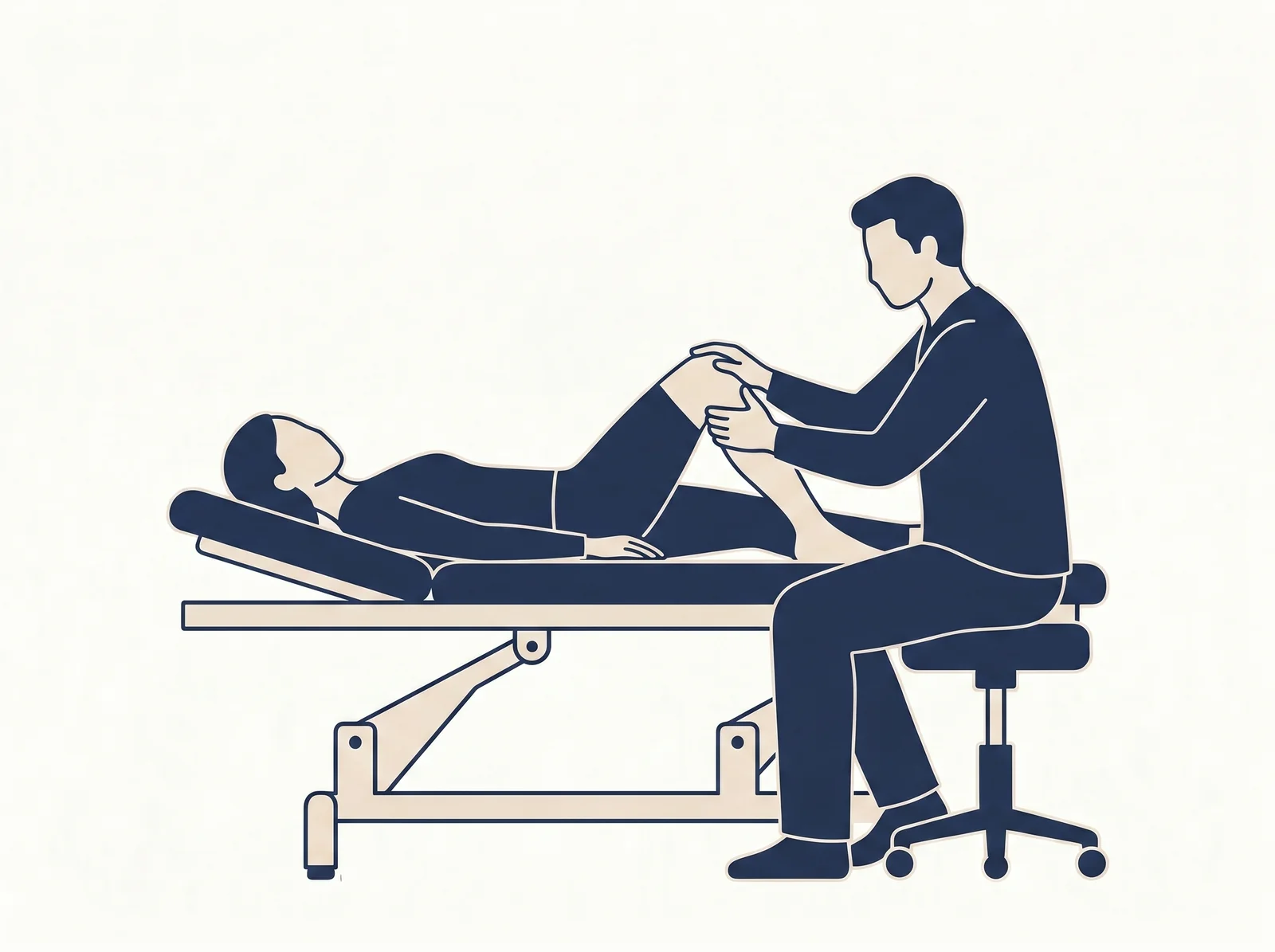
Cold laser has strong evidence for some conditions and modest evidence for others. We tell you what to expect for your specific situation rather than overselling.
What to expect
The phased timeline
most patients follow.
Honest milestones. Cases vary, but most look something like this. We re-test at every phase so progress is measured, not assumed.
- 01Visit 1
Evaluation
We assess whether cold laser is right for your situation and integrate it into the broader treatment plan. Not every case benefits — we tell you honestly.
- 02Sessions 1–6
Active treatment phase
Cold laser sessions combined with manual therapy and exercise. Most patients see noticeable improvement in the first 3–6 sessions if the treatment is working.
- 03Sessions 6–12
Consolidation
Continued treatment for chronic or stubborn cases. We re-evaluate every 4–6 visits to make sure we're still making meaningful progress.
- 04Discharge
Maintenance
For chronic conditions, periodic laser sessions paired with home exercise can sustain the gains.
Why Progressive PT
Why Progressive PT
leads this specialty.
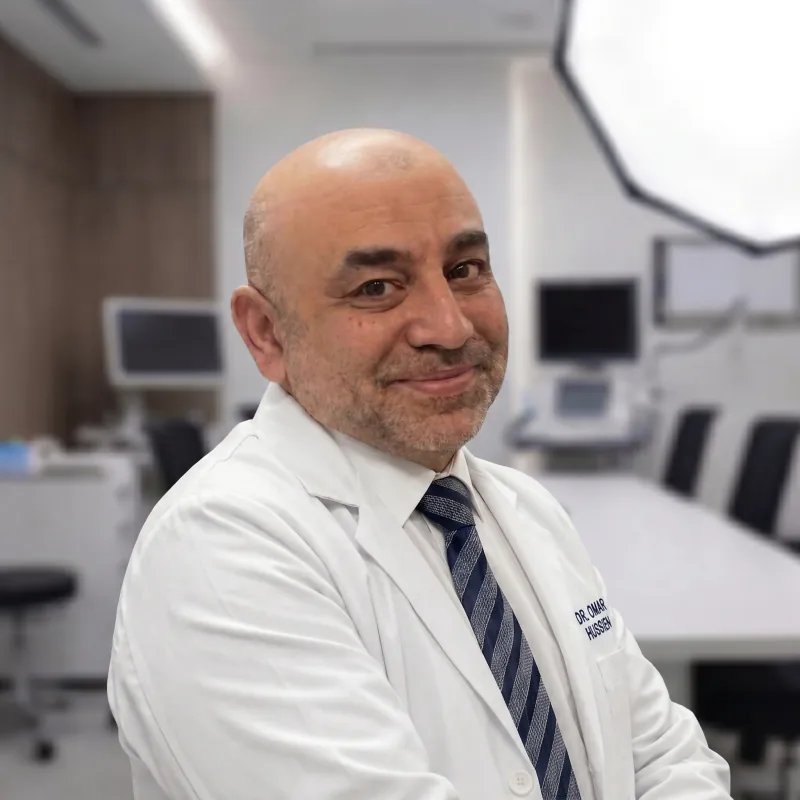
Cold laser is a tool, not a cure-all. We use it when the clinical picture supports it and skip it when it doesn't. Combined with hands-on PT, it accelerates recovery in many cases — but it's not magic, and we won't pretend otherwise.
Related services
What patients with this diagnosis
often add to their plan.
Back Pain & Sciatica
Hour-long, hands-on sessions designed around how your back actually moves — not a generic protocol. Same-week appointments, most insurances accepted.
Neck & Arm Pain
Targeted treatment for cervical radiculopathy, whiplash, and the chronic neck issues that come from desks and devices. Hands-on care that addresses the root, not just the symptom.
Shockwave
Extracorporeal shockwave therapy for chronic tendon and soft tissue conditions that haven't responded to rest and standard care. FDA-cleared, non-invasive, strong evidence for plantar fasciitis and tendinopathies.
Common questions
About cold laser
therapy.
For some conditions, yes — well-supported by clinical research. For others, the evidence is mixed. We tell you honestly what the research says for your specific situation and only recommend laser when we think it'll add value. It's not a substitute for hands-on PT and exercise.
Coverage varies by insurer. Some commercial plans cover cold laser, others don't. Medicare doesn't cover it as a standalone service but does cover the broader PT visit. We verify before treatment so you're not surprised.
Very few. Cold laser is non-thermal and non-invasive. Rare patients report mild temporary discomfort at the treatment site. There are some contraindications — active cancers in the treatment area, pregnancy over the abdomen, certain medications — which we screen for at evaluation.
Most patients who respond see noticeable change within 3–6 sessions. If we're not seeing meaningful progress by then, we reassess — sometimes that means changing parameters, sometimes it means cold laser isn't the right tool for your situation.
We don't offer standalone laser treatments because the evidence doesn't support that approach for most conditions. Cold laser works best as one piece of a comprehensive PT plan, not as a standalone service.
Get started
Book your
cold laser evaluation.
Same-week availability for most new patients. We verify your benefits before your first visit.