
Spine
Neck & Arm Pain Physical Therapy
in Hinsdale, IL
Targeted treatment for cervical radiculopathy, whiplash, and the chronic neck issues that come from desks and devices. Hands-on care that addresses the root, not just the symptom.
Often paired with related care
What we treat
Conditions
seen in this specialty.
We accept these as primary diagnoses. If you're not sure where your case fits, a 60-minute evaluation maps it correctly on day one.
Cervical radiculopathy (pinched nerve)
Nerve root irritation in the neck causing pain, numbness, or weakness down the arm. Conservative care resolves most cases without surgery.
Cervical disc herniation
Disc material pressing on neural structures in the neck. Responds well to targeted PT for the majority of patients.
Whiplash & auto accident injuries
The acceleration-deceleration injury that affects soft tissue, joints, and the vestibular system. Early intervention matters here.
Tech neck & postural strain
The chronic forward-head posture from desks, phones, and laptops. Treatable — and increasingly common, especially in patients under 40.
Cervicogenic headaches
Headaches that originate from neck dysfunction. Often misdiagnosed as migraine. Responds well to manual therapy and postural correction.
Thoracic outlet syndrome
Compression of nerves or blood vessels at the base of the neck, producing arm symptoms. Requires careful evaluation and targeted treatment.
When to see a PT
Signals that
warrant an evaluation.
If you notice any of these patterns — even occasionally — it's worth a sixty-minute assessment to map what's actually going on.
Numbness or tingling in the hand
Especially in specific fingers — points to which nerve root is involved.
Sharp pain turning the head
A catch or shooting pain when looking over your shoulder, especially when driving.
Pain down the arm past the elbow
Distinguishes nerve-driven pain from muscular neck pain. The pattern of radiation tells us which level is involved.
Headaches that start in the neck
Pain that begins at the base of the skull and radiates forward — classic cervicogenic pattern.
Weakness gripping or lifting
Strength changes in the hand or arm — a sign the nerve is being compressed enough to affect muscle function.
Constant neck stiffness
The "I can't turn my head all the way" feeling, especially after sleep or long hours at a desk.
How we treat it
The clinical playbook
for this specialty.
01—Modality
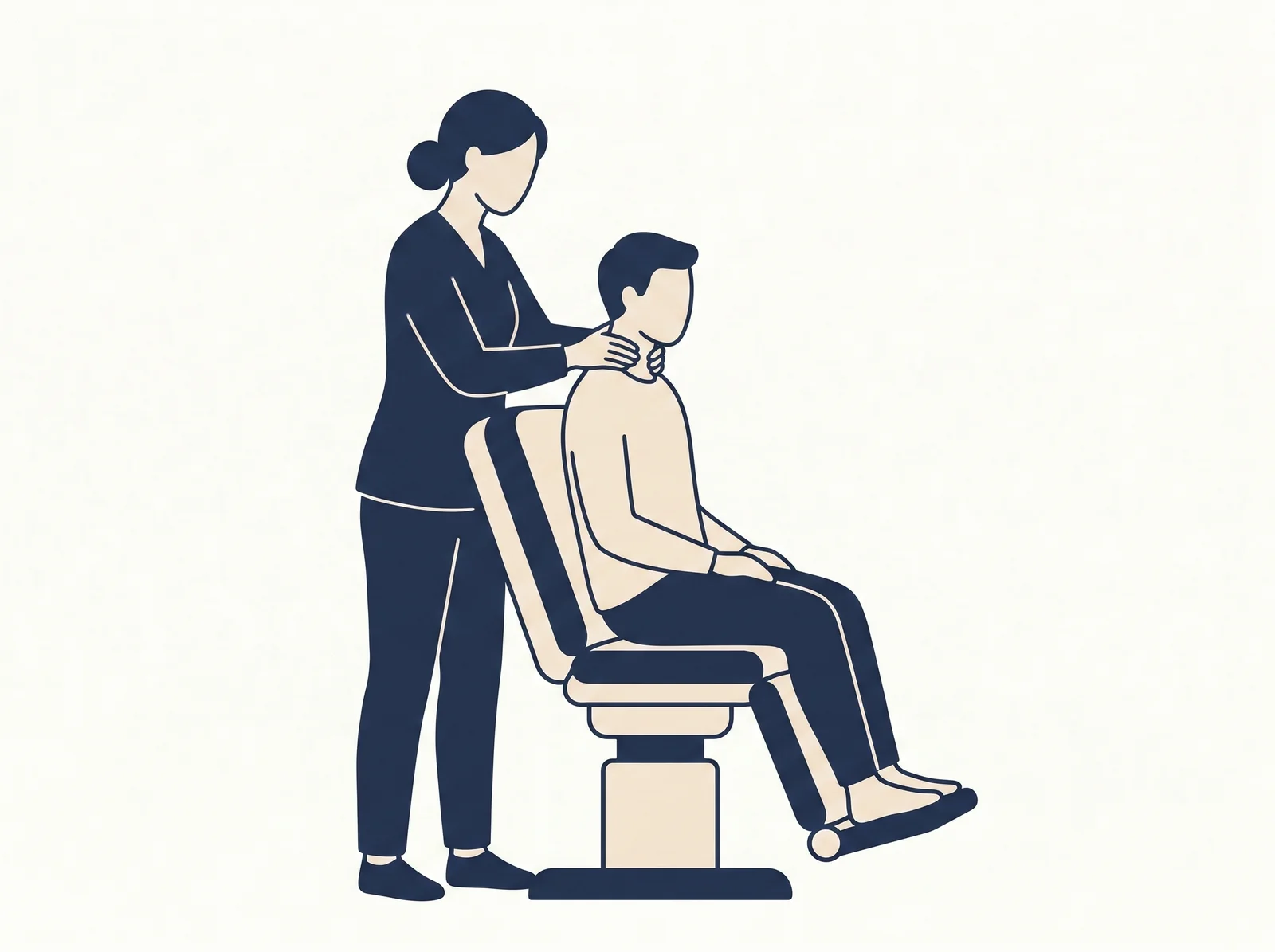
Cervical manual therapy & mobilizations
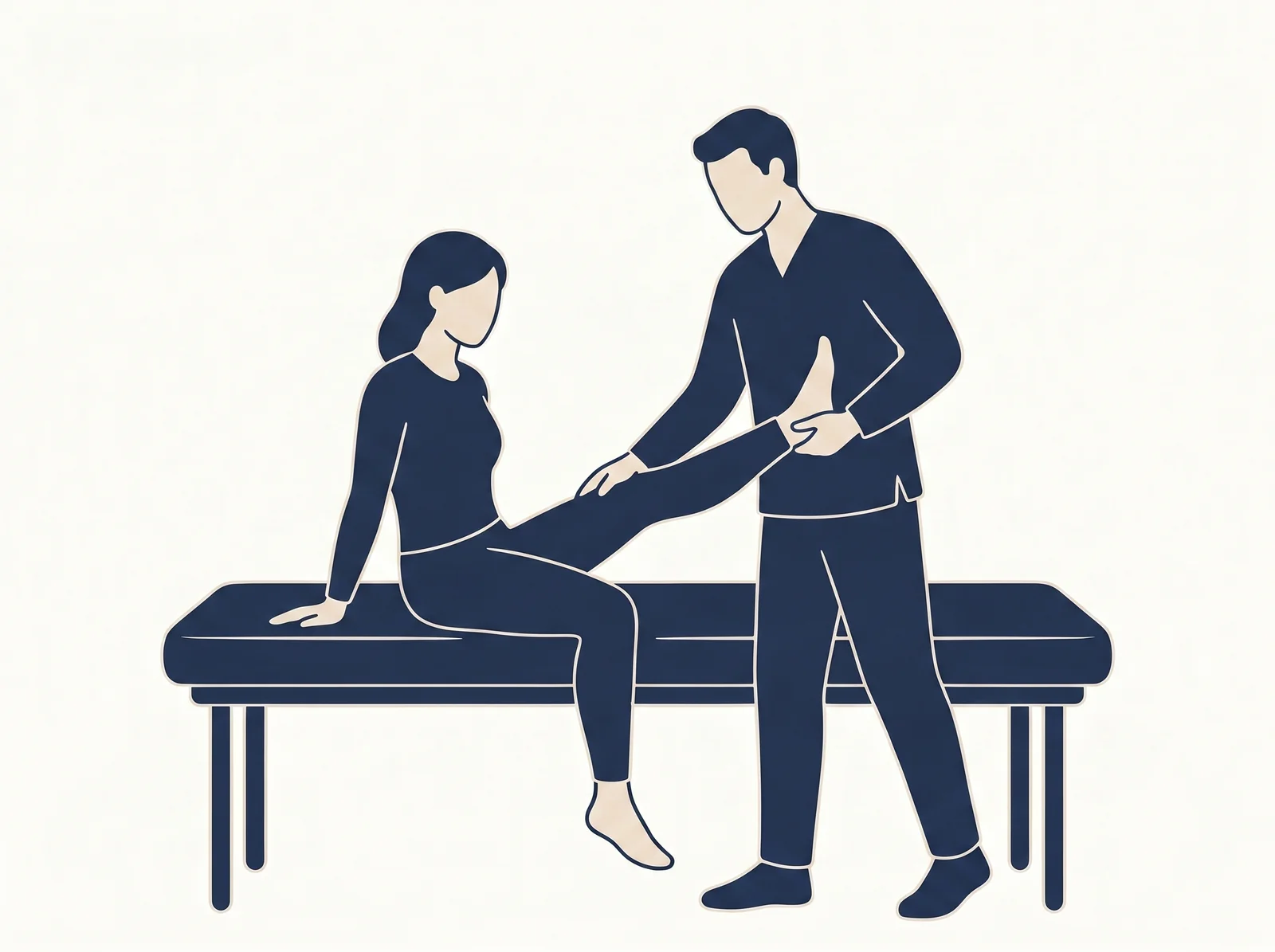
Hands-on joint mobilization and soft tissue work to restore movement and reduce nerve irritation. The cornerstone of cervical PT.
02—Modality
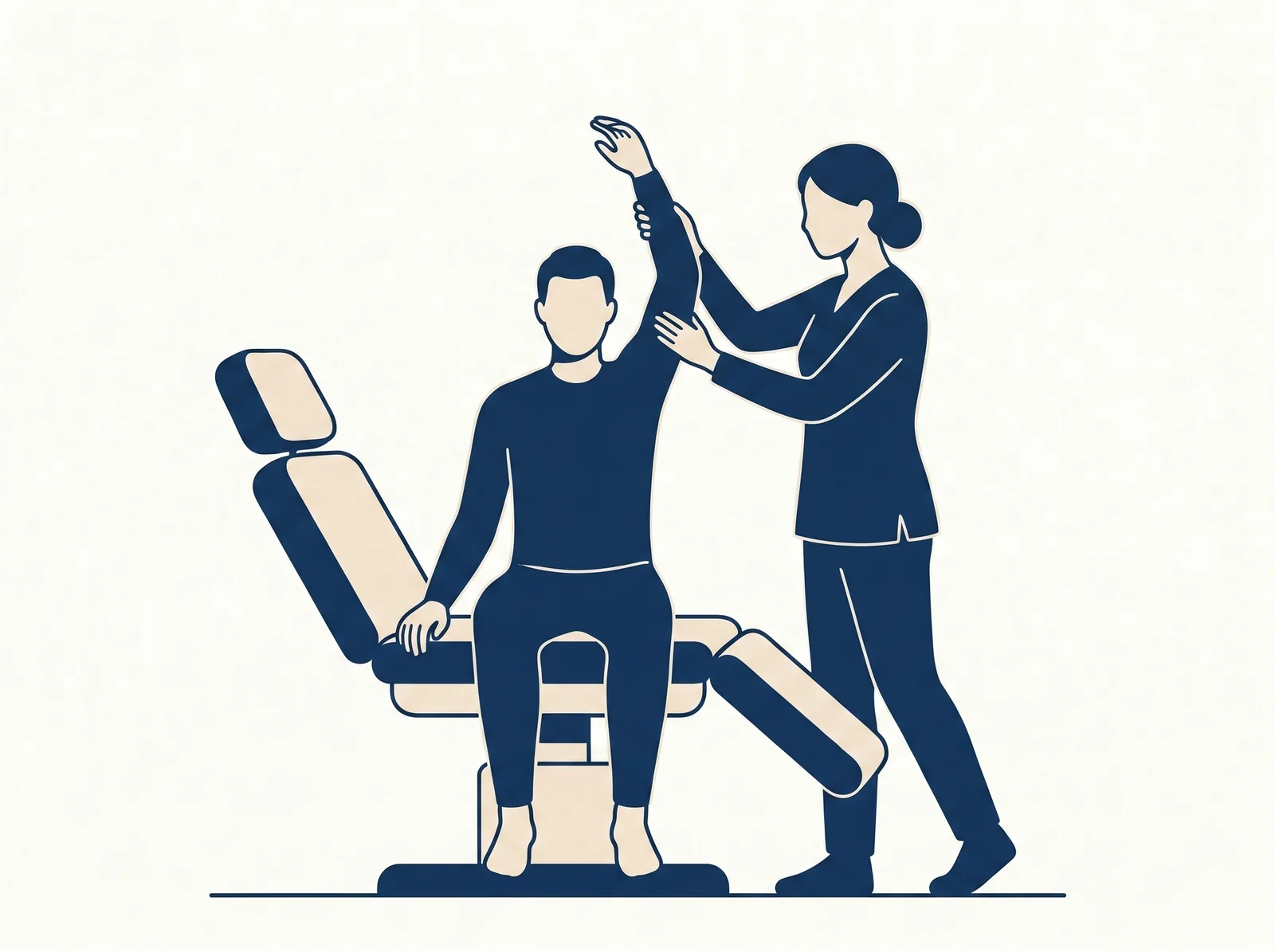
Nerve glides & neural mobilization
Specific movements that help an irritated nerve glide smoothly through its anatomical tunnel. Reduces symptoms in radiculopathy cases.
03—Modality
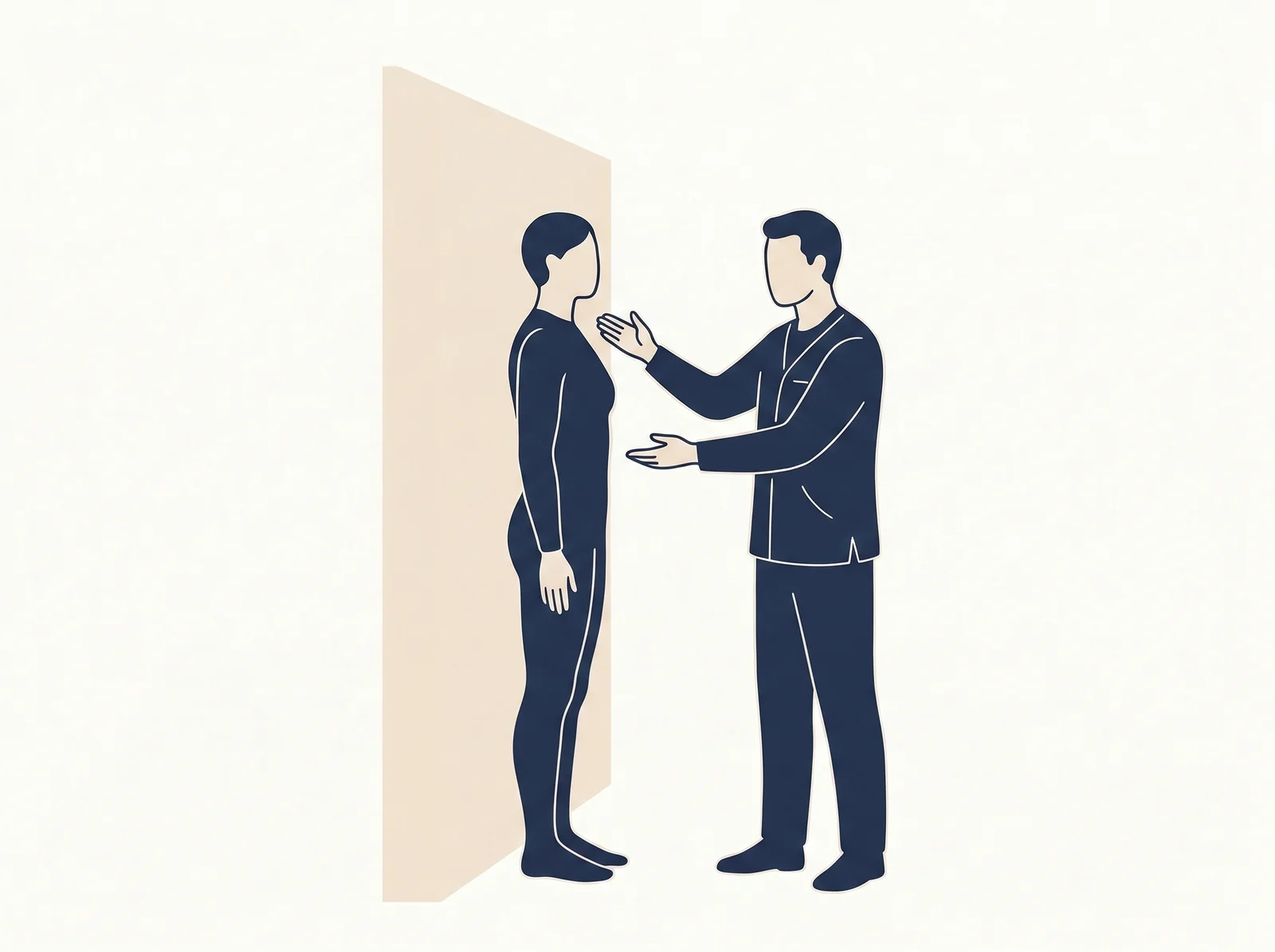
Postural re-education
Not "sit up straight." Real, sustainable postural change — strengthening the muscles that hold position and stretching the ones that pull you forward.
04—Modality
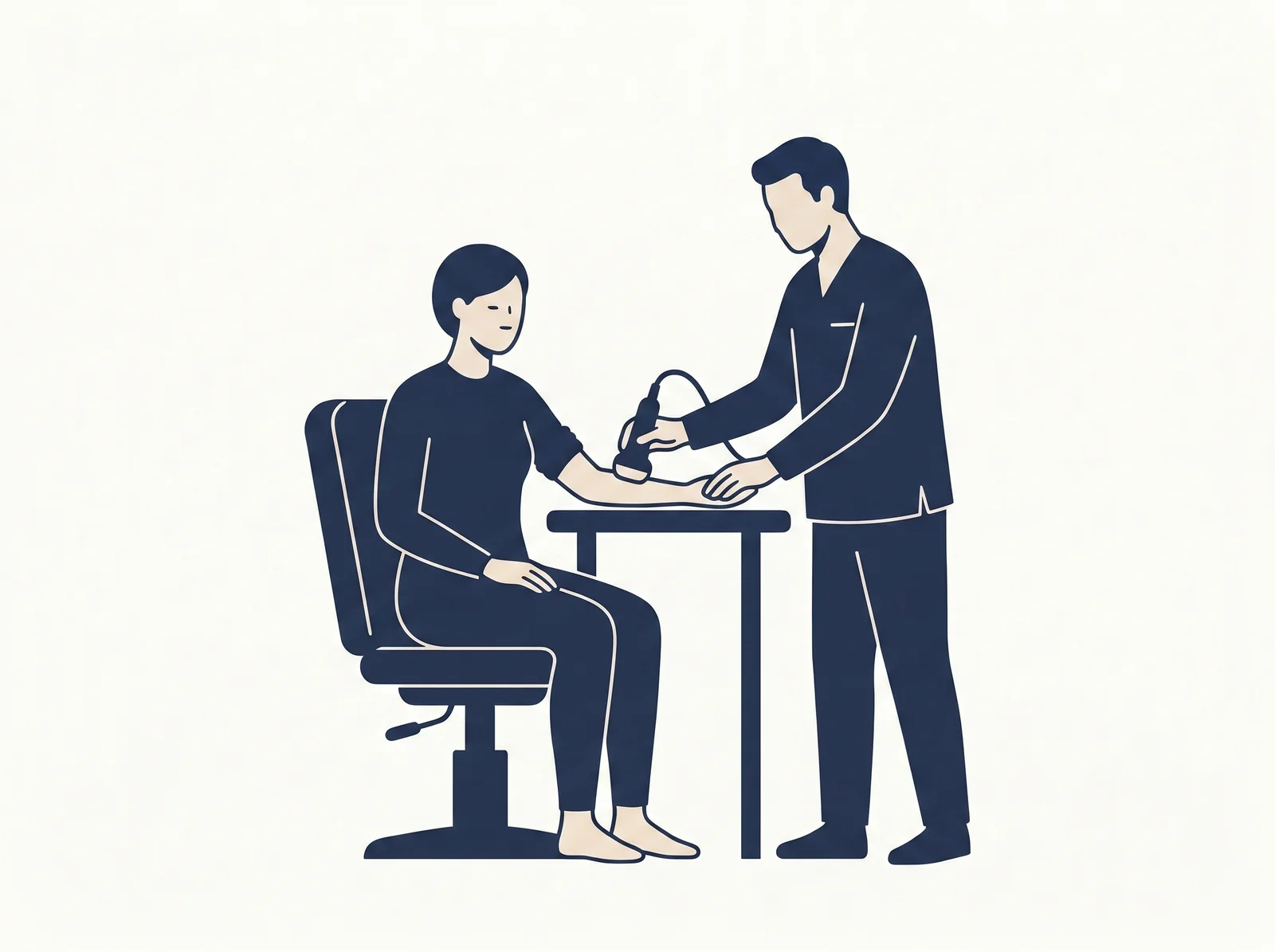
Deep cervical flexor strengthening
The small, deep stabilizers at the front of the neck that get inhibited in chronic neck pain. Restoring them is what prevents recurrence.
05—Modality
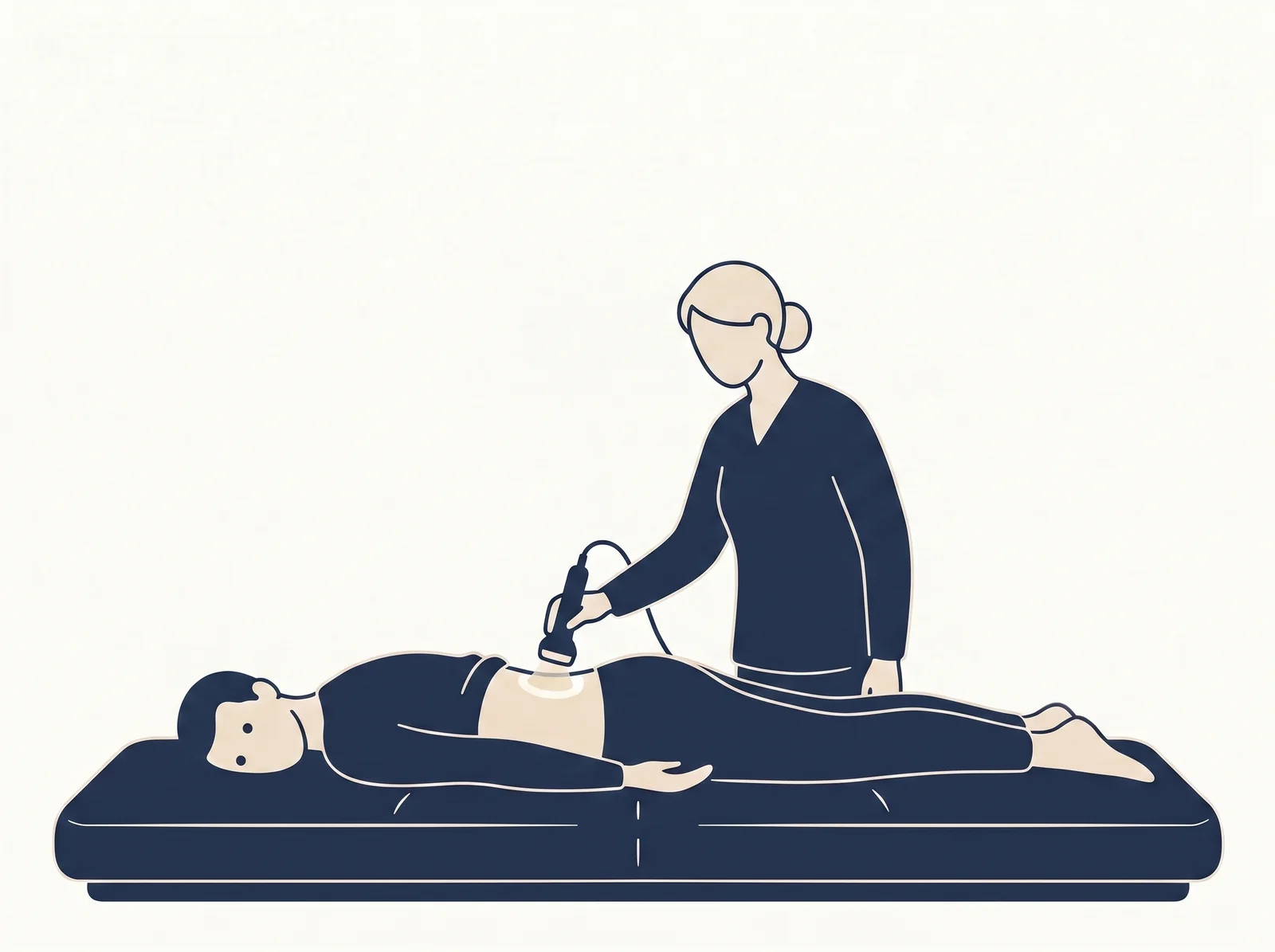
Cold laser for inflammation
For acute flare-ups or recent whiplash, cold laser helps reduce inflammation and accelerate tissue healing.
06—Modality
Ergonomic assessment
Most chronic neck pain is fed by daily mechanics — monitor height, phone use, sleep position. We identify the contributors and give you concrete fixes.
What to expect
The phased timeline
most patients follow.
Honest milestones. Cases vary, but most look something like this. We re-test at every phase so progress is measured, not assumed.
- 01Visit 1
Evaluation
Neurological screening, movement assessment, identification of the specific structures involved. You leave with hands-on treatment and a clear plan.
- 02Weeks 1–2
Symptom reduction
Most patients see meaningful reduction in radiating arm symptoms within the first 2–3 visits. Manual therapy plus nerve glides do most of the early work.
- 03Weeks 3–6
Restore function
Strengthening, postural retraining, ergonomic changes. The work that prevents the next flare-up.
- 04Discharge
Home program
A short, sustainable home routine — usually 10 minutes a day — calibrated to your job, your sleep, and your activity level.
Why Progressive PT
Why Dr. Omar Hussien
leads this specialty.
Dr. Omar Hussien treats cervical spine cases personally — including the cervicogenic headache and vestibular components that other clinics often miss. The neck is connected to the head and the arm; we evaluate the whole system, not just the painful segment.

Related services
What patients with this diagnosis
often add to their plan.
Back Pain & Sciatica
Hour-long, hands-on sessions designed around how your back actually moves — not a generic protocol. Same-week appointments, most insurances accepted.
Migraine & Headache
Many headaches come from the neck — and respond remarkably well to targeted physical therapy. Whether your headache is purely cervicogenic, tension-driven, or migraine with a cervical component, we evaluate the whole picture.
Post-Surgical Rehab
A recovery plan written around your specific surgery, your specific surgeon's protocol, and your specific life — not a generic post-op checklist.
Common questions
About neck & arm pain
therapy.
For most patients, yes — and usually within 4–8 weeks. The exceptions are cases with progressive neurological deficits (worsening weakness, loss of bowel/bladder control) which need surgical evaluation. Otherwise, conservative care including PT, manual therapy, and nerve gliding is the evidence-based first-line treatment.
Usually yes. We can identify which nerve root is involved through clinical testing — your symptom pattern, reflexes, strength testing, and specific provocation tests. Imaging is most useful when symptoms aren't responding to conservative care or when surgical evaluation becomes a consideration.
Most patients see noticeable reduction in arm symptoms within 2–3 weeks of starting PT. Full resolution typically takes 6–12 weeks. The longer the symptoms have been present, the longer the recovery — which is why early intervention matters.
Yes, despite what insurance adjusters sometimes suggest. Whiplash involves real soft tissue, joint, and sometimes vestibular injury. Treated early and appropriately, most patients recover fully. Treated late or dismissed, it can become chronic.
No. Illinois allows direct access to physical therapy. You can schedule an evaluation directly, and we'll coordinate with your physician if imaging or further workup becomes necessary.
Get started
Book your
neck & arm pain evaluation.
Same-week availability for most new patients. We verify your benefits before your first visit.