
Flagship specialty
CLT-LANA Lymphedema & Oncology Rehabilitation
in Hinsdale, IL
Most clinics call themselves lymphedema-friendly. Lamiaa Hefni holds the CLT-LANA — the credential roughly 1 in 100,000 Americans is qualified to carry. That is the difference between learning lymphedema and specializing in it.
Often paired with related care
What we treat
Conditions
seen in this specialty.
We accept these as primary diagnoses. If you're not sure where your case fits, a 60-minute evaluation maps it correctly on day one.
Primary lymphedema
Congenital or genetic lymphatic insufficiency. Conservative management slows progression and protects the limb.
Secondary lymphedema
Swelling that follows surgery, radiation, infection, or trauma — most commonly after breast, gynecologic, or melanoma procedures.
Post-mastectomy edema
Arm or chest-wall swelling after lymph-node dissection or radiation. We build the long-term self-management plan oncology referrals need.
Lipedema
Symmetric fat-tissue disorder mistaken for obesity. Manual therapy, compression, and movement strategy reduce pain and pressure.
Chronic venous insufficiency
Lower-leg swelling and heaviness from venous reflux. Combined decongestive therapy plus compression rehabilitates skin and tissue.
Cording (axillary web syndrome)
Tight, ropey bands under the arm after node dissection. Skilled manual release restores shoulder range without re-injuring tissue.
Radiation fibrosis
Hardened, restricted tissue months or years after radiation. Targeted soft-tissue work and graded loading restore function.
Post-surgical scar restriction
Restrictive scarring after oncologic surgery. Combined with neurostim scar therapy when adhesions limit range or cause pain.
When to see a PT
Signals that
warrant an evaluation.
If you notice any of these patterns — even occasionally — it's worth a sixty-minute assessment to map what's actually going on.
Limb feels heavy, full, or tight by mid-day
Rings, watches, or sleeves leave marks longer than they used to
Visible swelling in arm, leg, hand, foot, or chest wall
Skin texture changes — pitting, hardening, orange-peel appearance
Aching after travel, heat exposure, or long days on your feet
Recurring cellulitis or infection in a swollen limb
The credential
What CLT-LANA actually means
and why it changes outcomes.
Certified Lymphedema Therapist (CLT) is the entry credential — completion of an accredited 135-hour Complete Decongestive Therapy training program.
CLT-LANA goes further: it requires passing the independent board exam administered by the Lymphology Association of North America, plus recertification every six years. The Lymphology Association notes that the credential is held by roughly:
CLT-LANA therapists per
1 in 100,000
Americans qualified to provide it. That is why patients with breast-cancer-related arm swelling, post-surgical leg edema, or primary lymphedema drive past four or five other PT clinics to reach a CLT-LANA.
Complete Decongestive Therapy
The four pillars
that work together.
CDT is the international standard of care for lymphedema. There are no shortcuts and no single technique that replaces it. Skip any one pillar and outcomes fall apart.
- 01
Manual Lymphatic Drainage (MLD)
A precise, light-pressure technique that reroutes lymph fluid through unaffected pathways. Pressure tolerances are measured in grams; too much pressure damages superficial lymphatic capillaries and worsens swelling. This is why credentialed training matters more than enthusiasm.
- 02
Multi-Layer Compression Bandaging
Short-stretch bandaging applied during the decongestive phase, then a custom-fitted compression garment for daily wear. Layered tension distributes pressure correctly across the limb. Generic stockings do not work for lymphedema — fit must be millimeter-precise.
- 03
Decongestive Exercise
Specific movement sequences that pump lymph against gravity using your own muscle contraction inside the bandage. Built into a routine you can complete at home in under fifteen minutes — and one you'll continue lifelong, not just during treatment.
- 04
Skin & Nail Care Education
Lymphedematous tissue is infection-prone. Cellulitis episodes derail weeks of progress and frequently land patients in the ER. The fourth pillar is the daily hygiene protocol that prevents those infections — small, easy, decisive.
Oncology rehabilitation
Conditions
that often travel with lymphedema.
01—Cording (axillary web syndrome)
Tight, ropey bands under the arm after node dissection.
Skilled manual release restores shoulder range without re-injuring tissue. Often paired with MLD on the same visit for breast cancer patients in early post-surgical recovery.
02—Radiation fibrosis
Hardened, restricted tissue months or years after radiation.
Targeted soft-tissue work and graded loading restore function in chest wall, neck, and pelvic regions. Most responsive when started early but valuable years out.
03—Post-surgical scar restriction
Restrictive scarring after oncologic surgery.
Combined with neurostim scar therapy when adhesions limit range or cause pain. Scar tissue remodeling is possible long after surgery — years-old scars still respond.
Patients travel
Hinsdale-based,
from across the western suburbs.
CLT-LANA-certified therapists are rare enough that patients regularly drive from across the region for the credential. We block longer evaluation windows for out-of-area patients during the decongestive phase to make the trip worthwhile.
- Hinsdale
- Oak Brook
- La Grange
- Westmont
- Lombard
- Downers Grove
- Elmhurst
- Clarendon Hills
- Burr Ridge
- Western Springs
How we treat it
The clinical playbook
for this specialty.
01—Modality
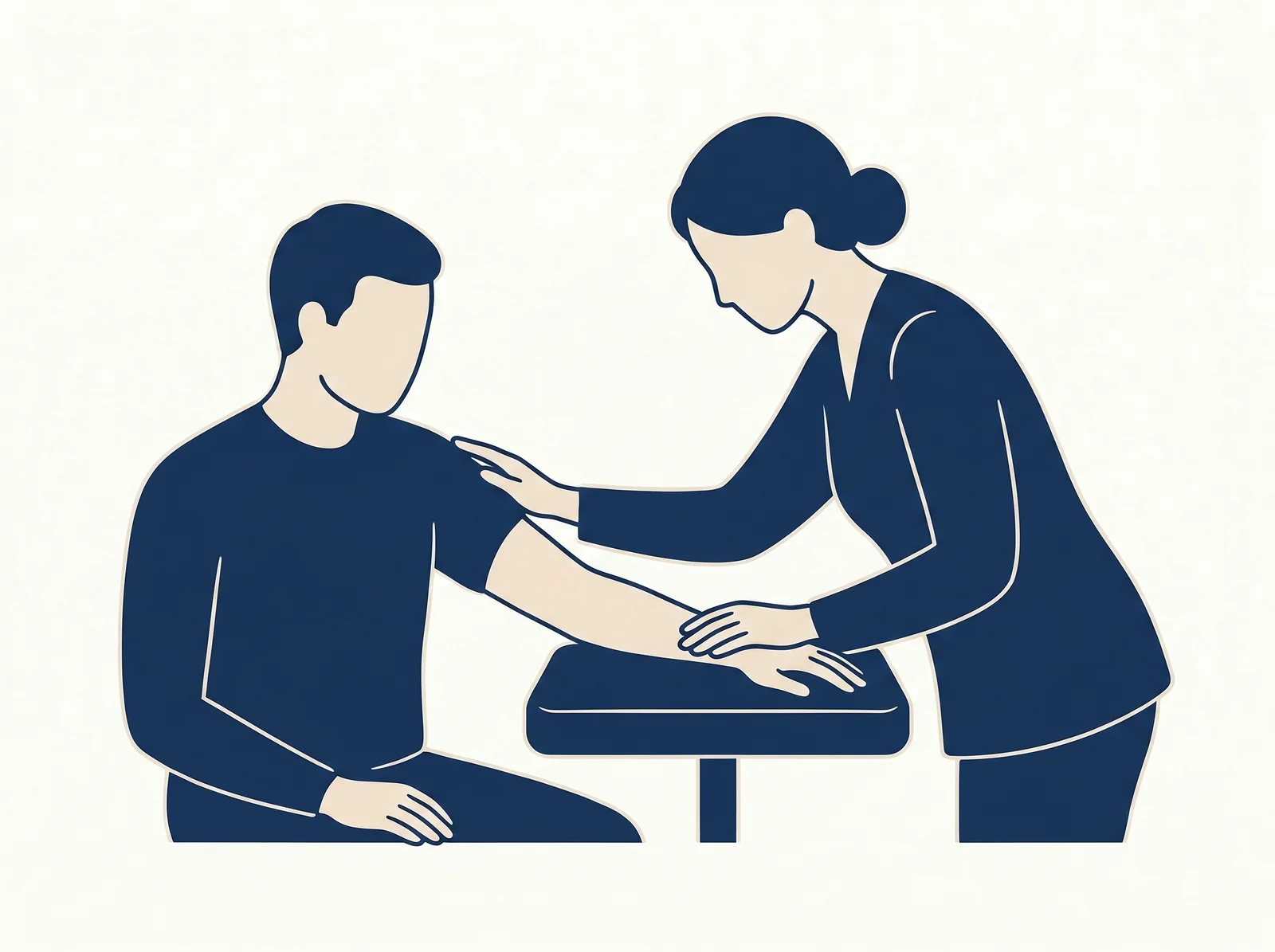
Manual Lymphatic Drainage (MLD)
The first pillar of CDT. A precise, light-pressure technique that reroutes lymph fluid through unaffected pathways. Done correctly it feels almost like nothing — done incorrectly it can damage the lymphatic system, which is why credentialed training matters.
02—Modality
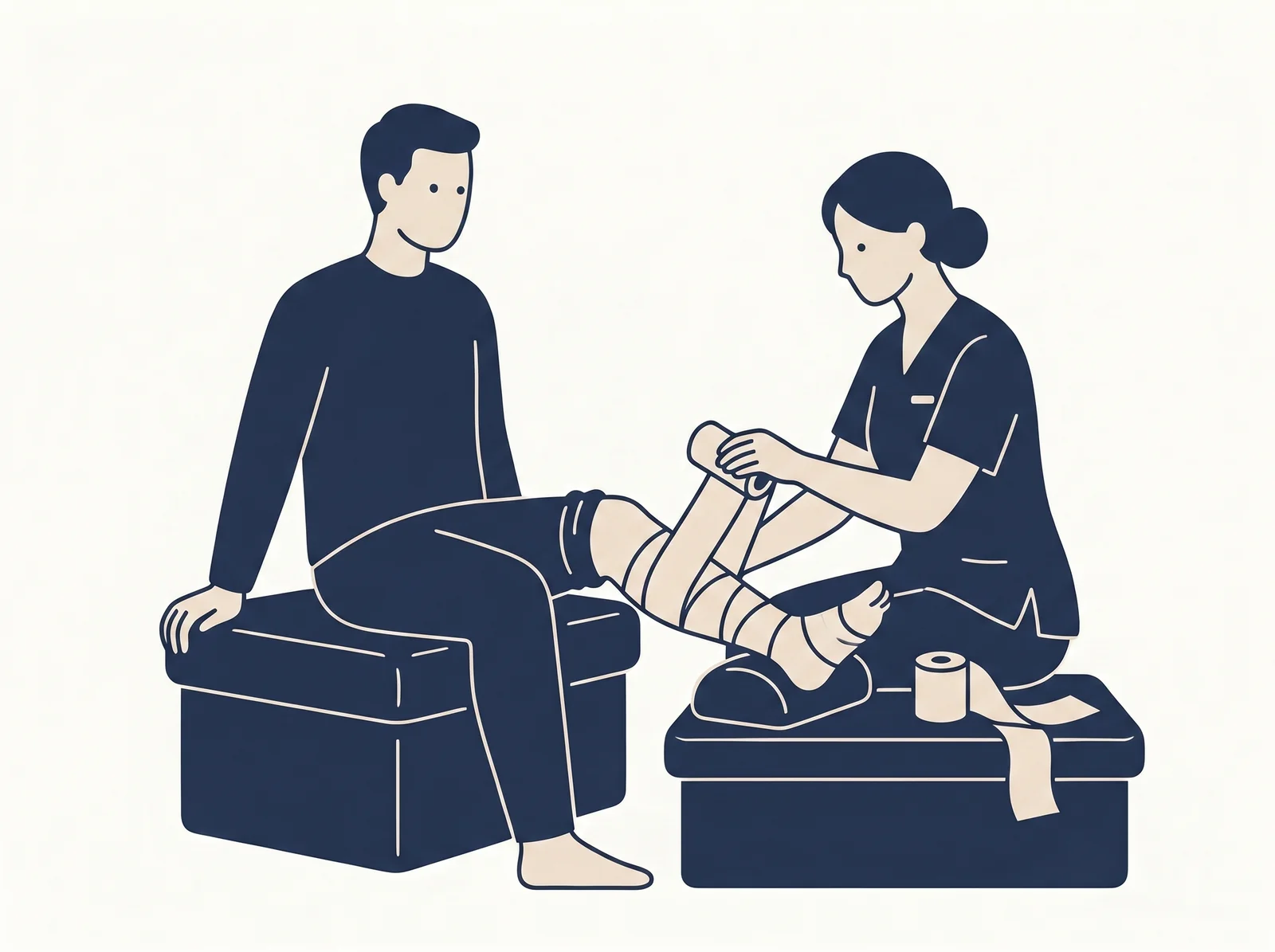
Compression Therapy
Multi-layer short-stretch bandaging during the decongestive phase, then a custom-fitted compression garment for daily wear. We measure, fit, and re-fit — generic stockings off Amazon do not work for lymphedema.
03—Modality
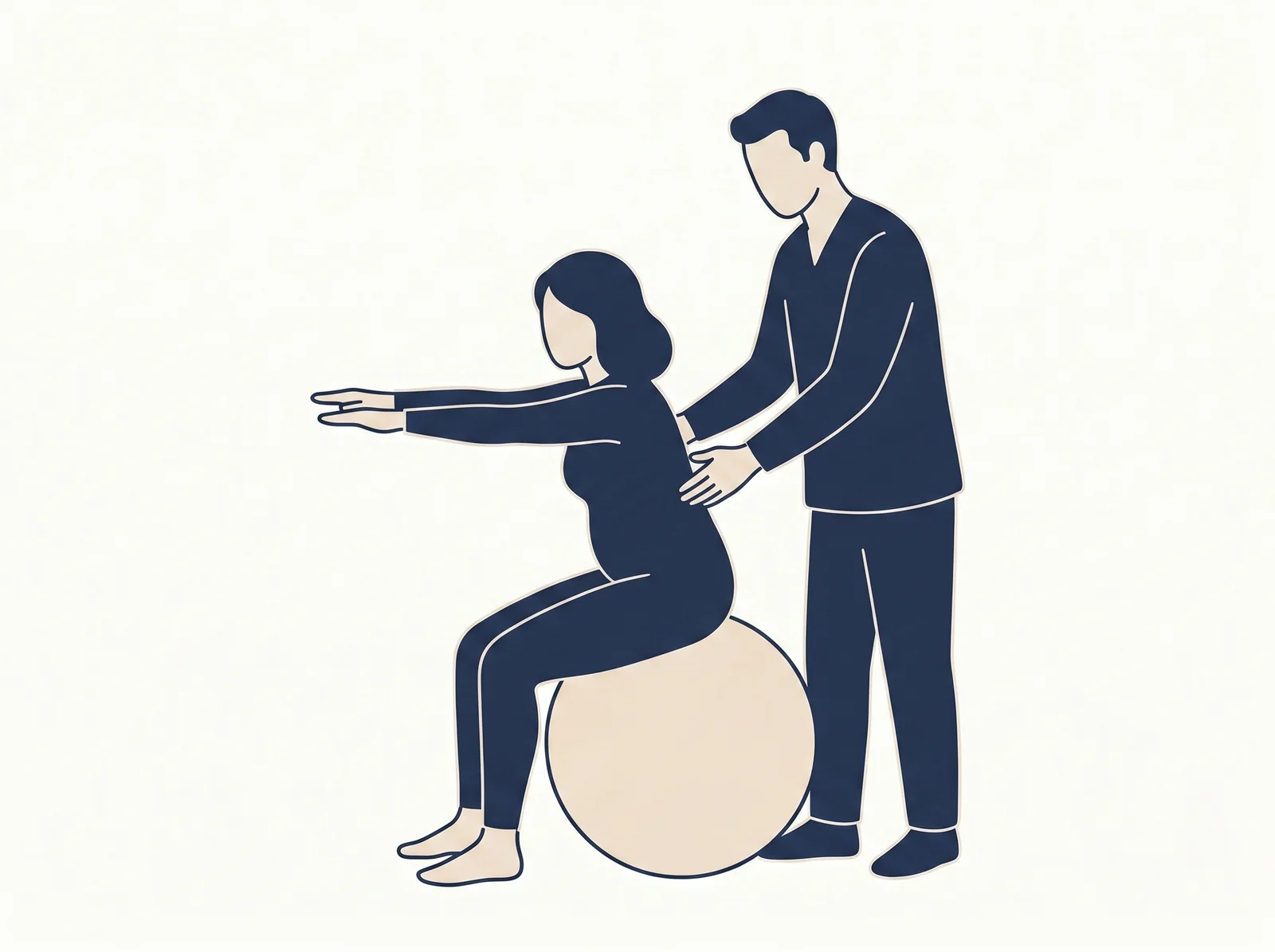
Decongestive Exercise
Specific movement sequences that pump lymph against gravity using your own muscle contraction. Built into a routine you can do at home in under 15 minutes.
04—Modality
Skin & Nail Care Education
The fourth pillar of CDT. Lymphedematous tissue is infection-prone; we teach the daily routine that prevents the cellulitis episodes that derail progress.

05—Modality
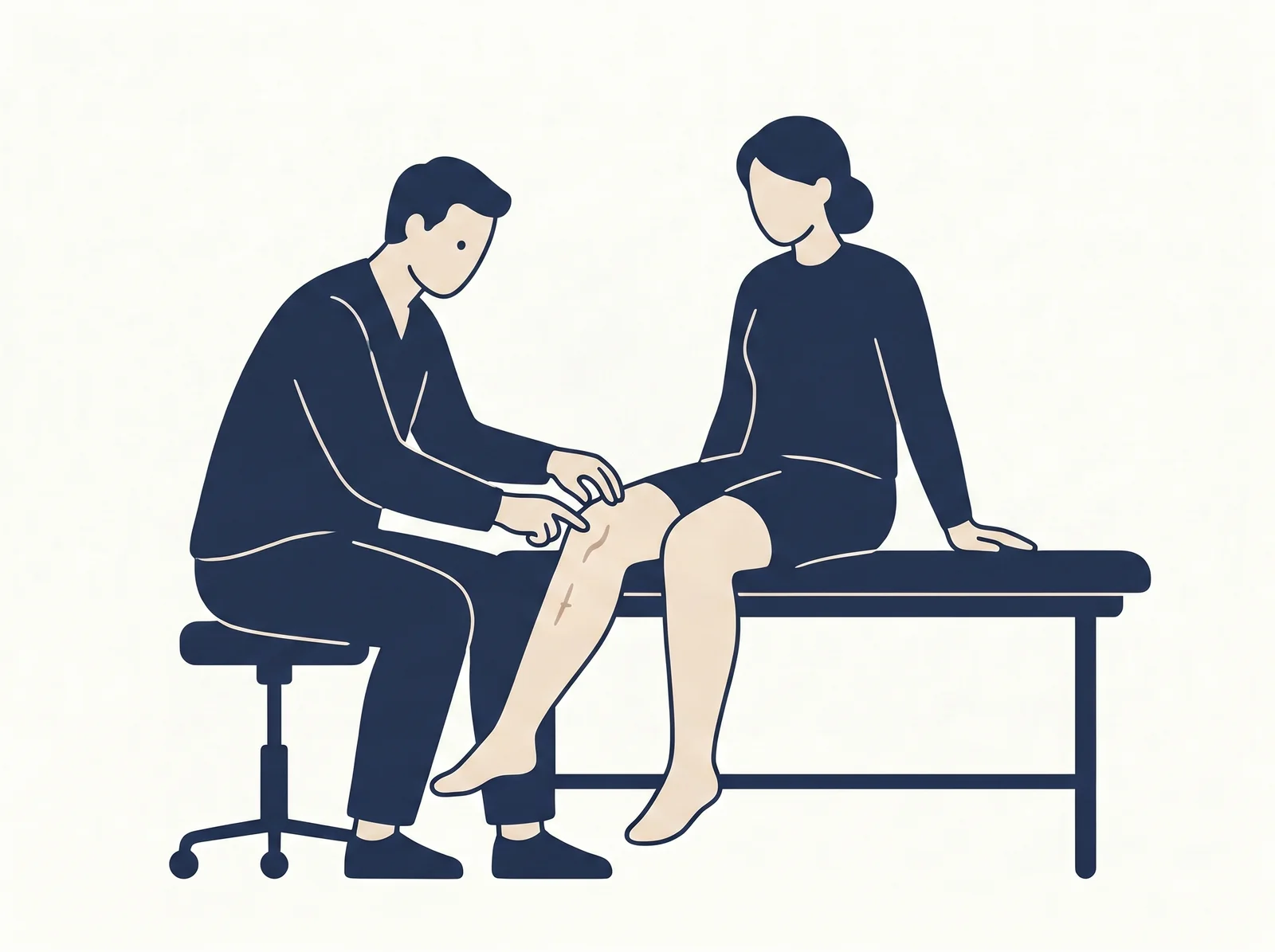
Neurostim Scar Therapy
Used when post-surgical scarring restricts range or causes pain. Often paired with MLD on the same visit for lymphedema patients with axillary web syndrome.
06—Modality
Self-Management Coaching
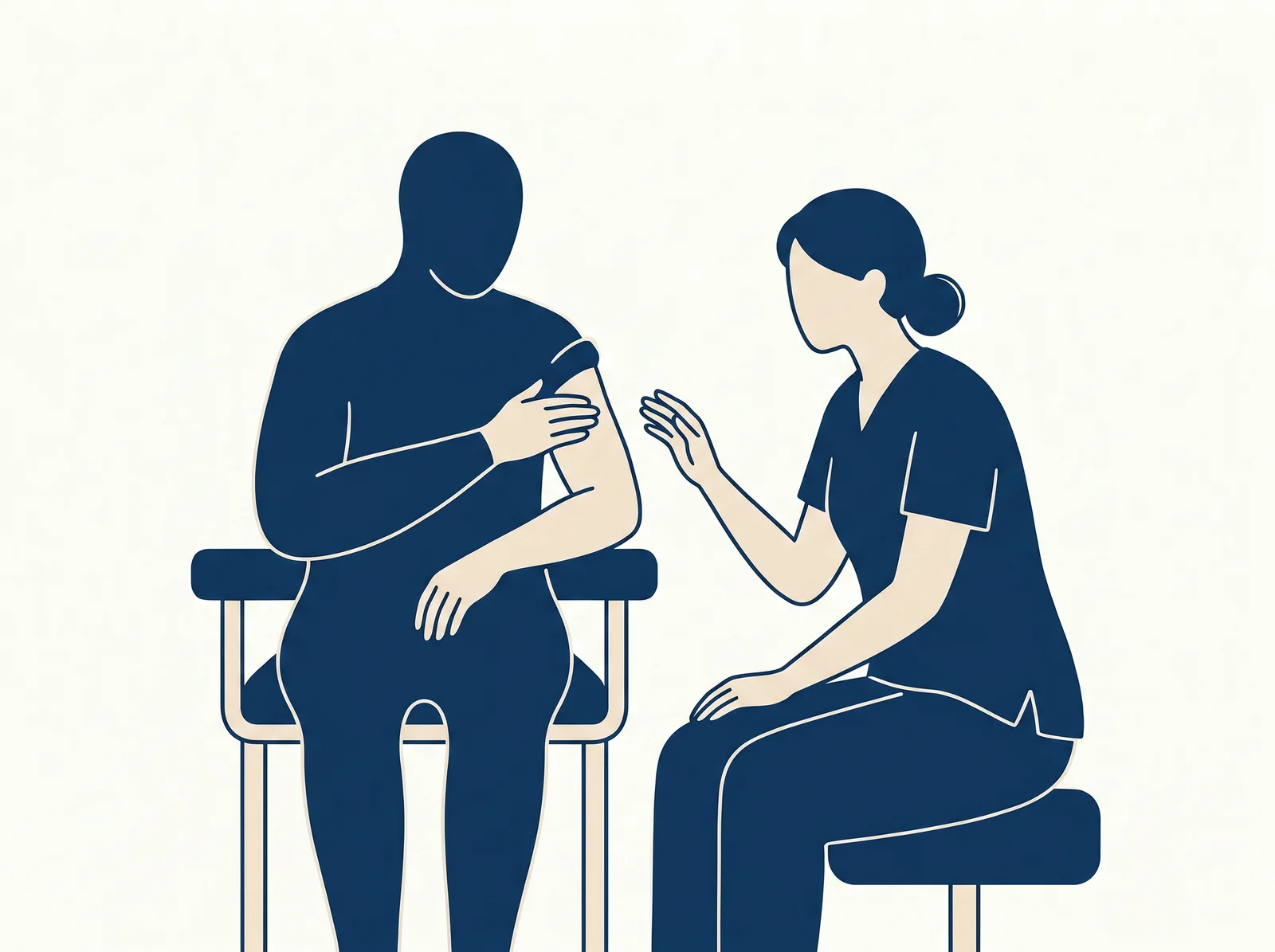
Lymphedema is lifelong. Our endpoint isn't your last visit — it's the day you can manage your limb confidently at home. We send you home with a written maintenance protocol.
What to expect
The phased timeline
most patients follow.
Honest milestones. Cases vary, but most look something like this. We re-test at every phase so progress is measured, not assumed.
- 01Phase 1 — Decongestion
2–4 weeks of intensive therapy
3–5 visits per week of MLD and multi-layer bandaging. Most reduction happens here. Limb measurements are taken at every visit so progress is objective, not subjective.
- 02Phase 2 — Maintenance
Custom garment + home program
Once volume stabilizes we transition to a fitted daytime garment, nighttime wrap or garment, and your home MLD/exercise sequence. We re-measure and re-fit every 6 months.
- 03Long-term
Annual reassessments
We re-check limb volume, garment fit, and skin status yearly. Catching change early is how lymphedema stays manageable rather than progressive.
Why Progressive PT
Why Lamiaa Hefni
leads this specialty.
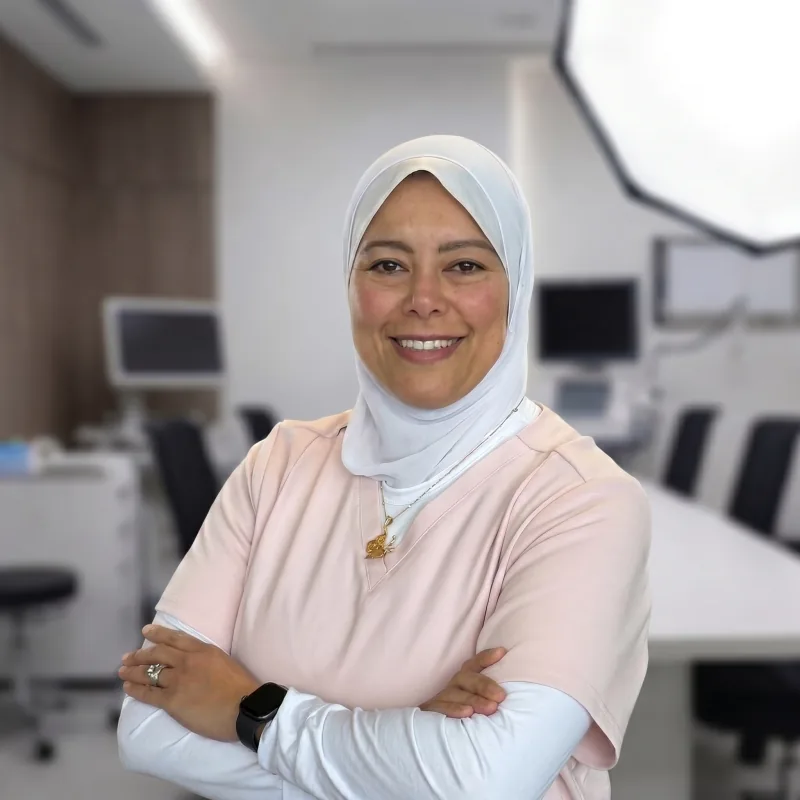
Lamiaa is one of the few CLT-LANA-certified therapists practicing in the western Chicago suburbs. The credential — held by roughly one therapist per 100,000 Americans — changes outcomes. That is why patients drive past four or five clinics to see her specifically.
In their own words
Patient outcomes
from this specialty.
"After my cancer treatment was completed in October for a neck tumor and removal of lymph glands, I developed swelling. Lamiaa's expertise and care brought me the relief and comfort I deserved after everything I'd been through."
"Lymphedema after breast surgery was ruining everything. Lamiaa was the only therapist who really helped. Manual drainage works. Arm almost normal. She truly cares."
"Lamiaa didn't only reduce swelling. She checked on how I was coping and gave me small wins to focus on. That support mattered."
Related services
What patients with this diagnosis
often add to their plan.
Post-Surgical Rehab
A recovery plan written around your specific surgery, your specific surgeon's protocol, and your specific life — not a generic post-op checklist.
Neurostim Scar
Microcurrent point stimulation (MPS) for surgical scars that produce pain, tightness, or restriction — even years after the original procedure. Used in coordination with manual therapy and post-surgical rehab.
Women's Health
Specialized care for pelvic floor dysfunction, postpartum recovery, and breast cancer rehabilitation — led by Lamiaa Hefni, PT, CWT, CLT-LANA. Private, compassionate, evidence-based.
Common questions
About lymphedema & oncology
therapy.
CLT-LANA is the highest credential in lymphedema care in North America. CLT certifies a therapist completed an accredited 135-hour Complete Decongestive Therapy course; LANA is the independent board exam administered by the Lymphology Association of North America that verifies advanced clinical competence and requires recertification every six years. The credential is held by roughly 1 Certified Lymphedema Therapist per 100,000 Americans, which is why most lymphedema patients drive significant distances to find one.
Most major insurers cover medically necessary lymphedema therapy when prescribed by a physician. We verify benefits before your first visit and explain exactly what is covered, what your responsibility is, and what self-pay options exist if coverage is limited. Bandages and compression garments often have separate coverage rules — we walk you through that too.
Patients with secondary lymphedema typically see measurable limb-volume reduction within the first 1–2 weeks of decongestive phase therapy. Significant clinical change is usually visible by week 3–4. Long-standing or fibrotic lymphedema responds more slowly but consistently — we set realistic milestones at evaluation and measure progress at every visit.
Illinois allows direct access to physical therapy for an initial evaluation, but most lymphedema cases benefit from physician coordination, and continuing treatment beyond a limited window may require a referral depending on the diagnosis and your insurance plan. We can begin evaluation either way and help coordinate with your oncologist or primary care provider.
Yes — many of our lymphedema patients travel from across the western Chicago suburbs (Oak Brook, Downers Grove, Lombard, Elmhurst, La Grange) and beyond, specifically because CLT-LANA therapists are rare. We block longer appointment windows for out-of-area patients during the decongestive phase to make the trip worthwhile.
Get started
Book your
lymphedema & oncology evaluation.
Same-week availability for most new patients. We verify your benefits before your first visit.