
Oncology
Women's Health Physical Therapy
in Hinsdale, IL
Specialized care for pelvic floor dysfunction, postpartum recovery, and breast cancer rehabilitation — led by Lamiaa Hefni, PT, CWT, CLT-LANA. Private, compassionate, evidence-based.
Often paired with related care
What we treat
Conditions
seen in this specialty.
We accept these as primary diagnoses. If you're not sure where your case fits, a 60-minute evaluation maps it correctly on day one.
Pelvic floor dysfunction & pelvic pain
Pain, tension, or weakness in the pelvic floor muscles. Affects bladder function, sexual health, and core stability — and is highly treatable.
Stress & urge incontinence
Leakage with coughing, sneezing, or sudden urgency. Pelvic floor PT is the first-line treatment per current clinical guidelines — and works for the majority of patients.
Pregnancy-related back & pelvic pain
The sacroiliac, pubic symphysis, and low back issues that come with pregnancy. Treatable safely throughout pregnancy and into postpartum.
Postpartum recovery & diastasis recti
Restoring core function, healing diastasis (abdominal separation), and rebuilding from delivery — vaginal or cesarean. The "fourth trimester" deserves real care.
Breast cancer-related lymphedema
CLT-LANA certified treatment for lymphedema following mastectomy, lumpectomy, or radiation. The specialized care most clinics don't offer.
Post-mastectomy range of motion
Shoulder mobility, scar tissue management, and cording (axillary web syndrome) — the issues that limit recovery after breast surgery.
Endometriosis pain
Musculoskeletal and pelvic floor contributions to endometriosis pain. PT doesn't treat the underlying condition, but it can reduce associated pain substantially.
When to see a PT
Signals that
warrant an evaluation.
If you notice any of these patterns — even occasionally — it's worth a sixty-minute assessment to map what's actually going on.
Leakage with activity, coughing, or laughing
Common, treatable, and not "just part of having kids."
Pelvic pain or pain with intimacy
Treatable. You don't have to live with it.
Pregnancy-related pain
Low back, hip, or pelvic pain that's limiting your activity or sleep.
Difficulty recovering postpartum
Core weakness, persistent abdominal separation, or pain weeks or months out from delivery.
Arm swelling or tightness after breast surgery
Often signs of lymphedema or cording — both highly responsive to specialized treatment.
Limited shoulder mobility after mastectomy
Reaching overhead, sleeping comfortably — both often restricted after breast surgery and both improvable with targeted PT.
How we treat it
The clinical playbook
for this specialty.
01—Modality
Pelvic floor manual therapy
External and internal (when appropriate and only with your explicit consent) manual therapy for the pelvic floor muscles. The cornerstone of pelvic floor PT.
Pelvic floor manual therapy
02—Modality
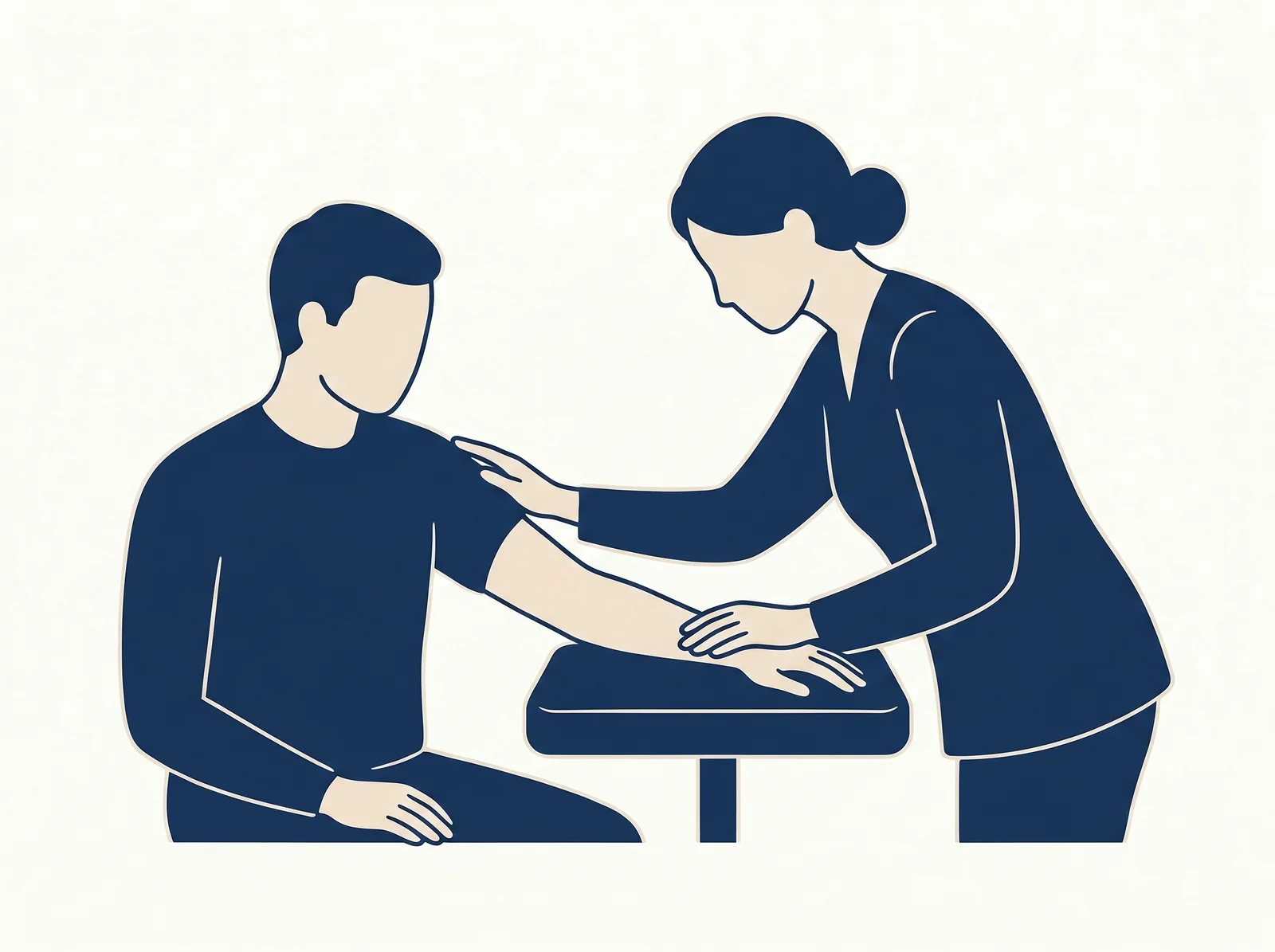
Manual lymph drainage
Specialized hands-on technique for managing breast cancer-related lymphedema. Part of the gold-standard Complete Decongestive Therapy protocol.
03—Modality
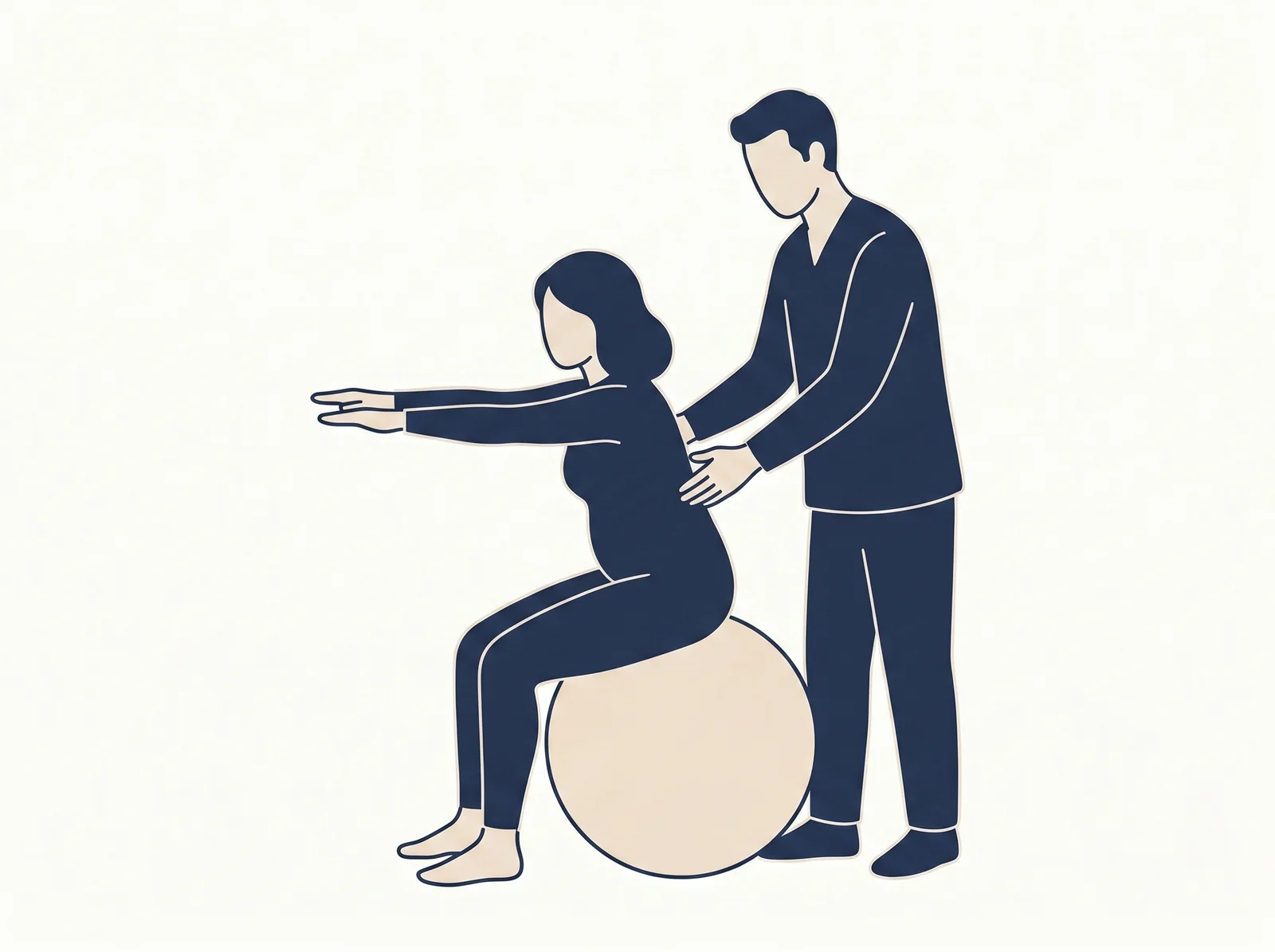
Diastasis recti rehabilitation
Evidence-based progression for healing abdominal separation — beyond the generic "tuck your belly button" advice that doesn't work for most women.
04—Modality
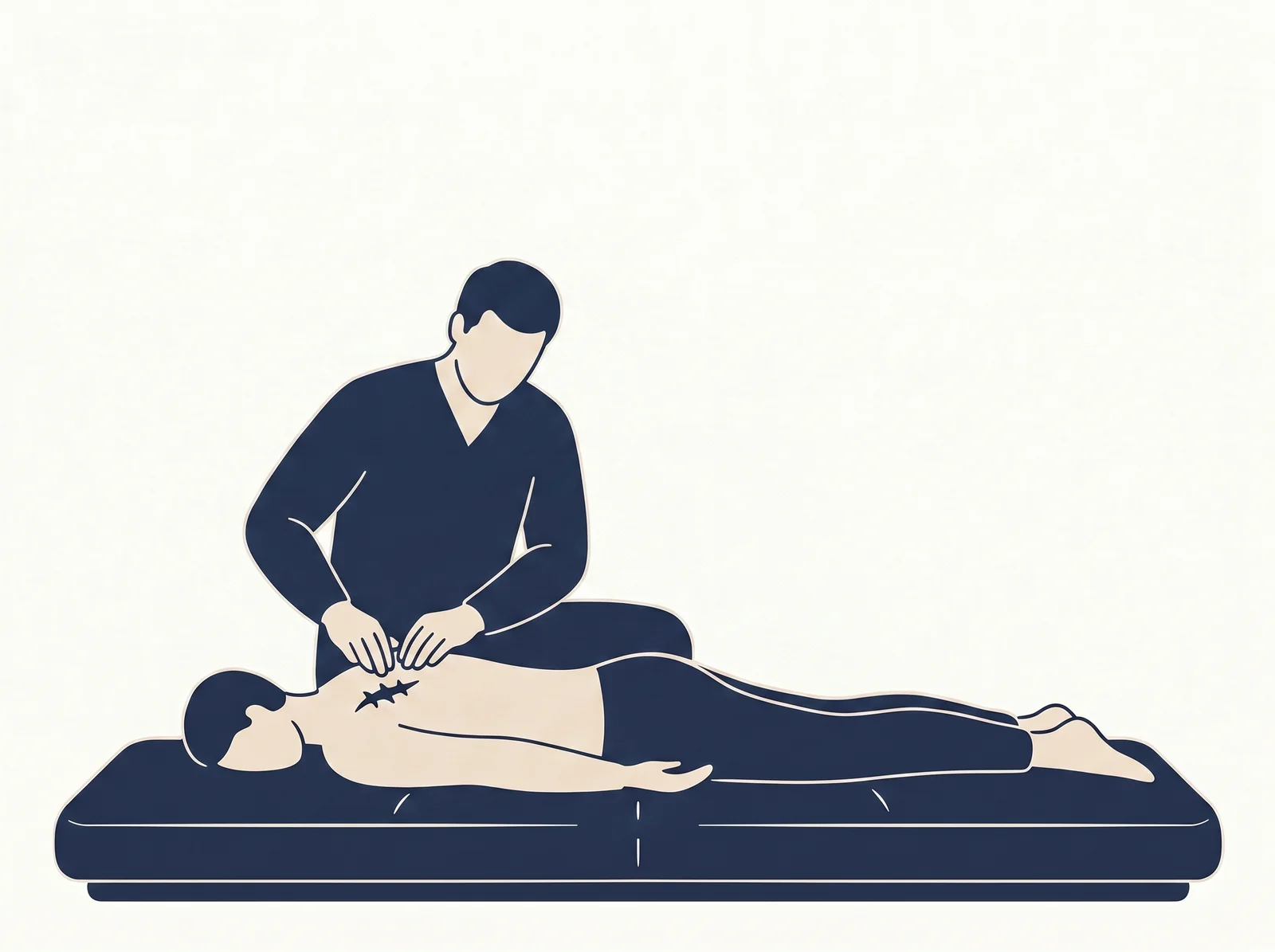
Scar release after C-section or mastectomy
Manual therapy and Dolphin Neurostim scar release for surgical scars that produce ongoing pain, tightness, or restriction.
05—Modality
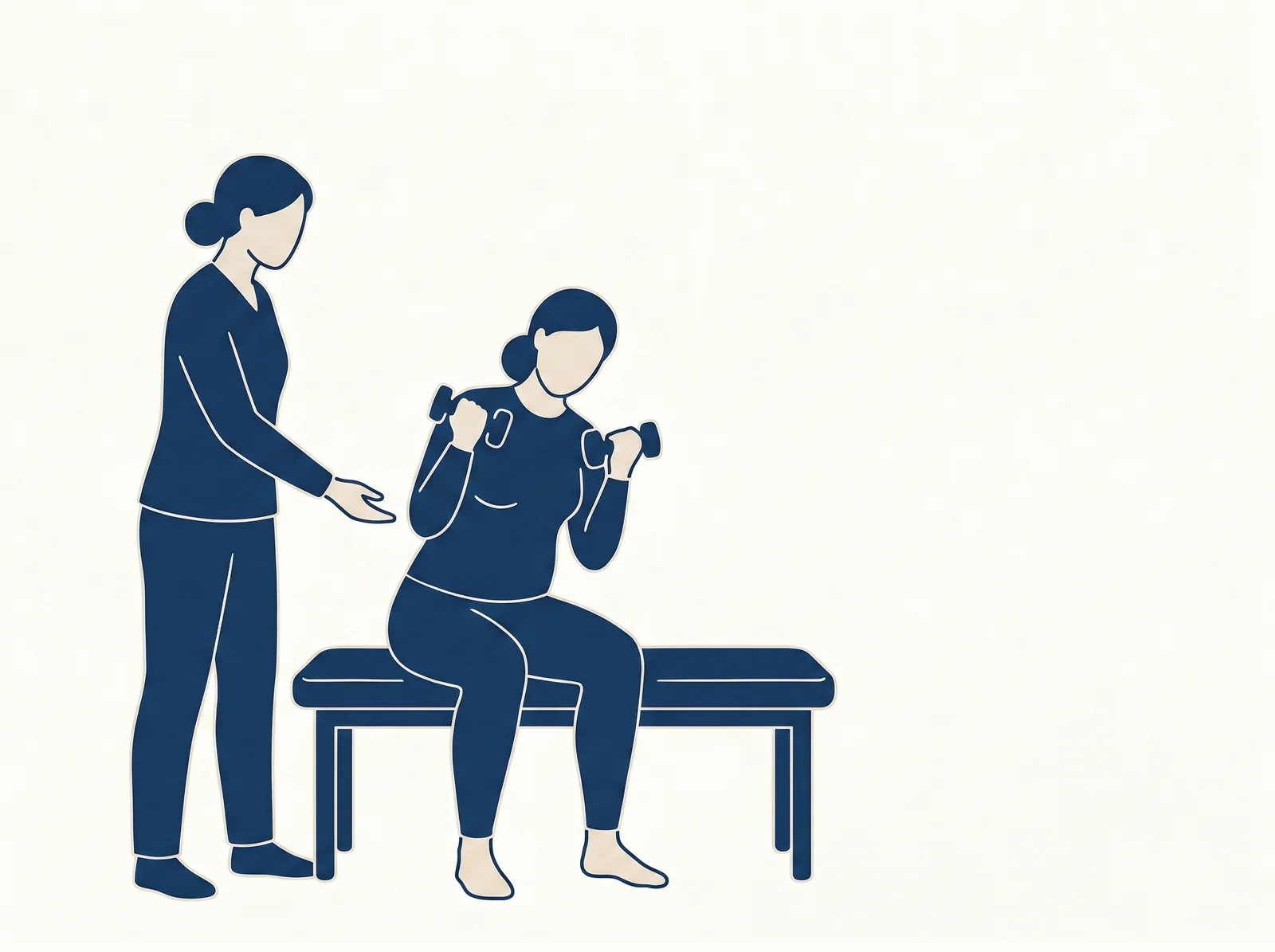
Strength & posture restoration
Full-body rehabilitation that addresses the postural, core, and strength changes that come with pregnancy, surgery, or pelvic dysfunction.
06—Modality
Education on bowel, bladder & sexual health
The things you didn't learn in any health class. We explain what's happening and what you can do about it.
Education on bowel, bladder & sexual health
What to expect
The phased timeline
most patients follow.
Honest milestones. Cases vary, but most look something like this. We re-test at every phase so progress is measured, not assumed.
- 01Visit 1
Evaluation in private
Comprehensive history, external exam, and (when appropriate and only with your consent) internal pelvic floor assessment. All done in a private room with respect for your comfort throughout.
- 02Weeks 1–4
Acute treatment
Manual therapy and specific exercises begin. Most patients see meaningful improvement within the first 4–6 visits.
- 03Weeks 4–8
Strength & integration
Rebuilding strength, integrating the pelvic floor with the core, and progressing to functional movement. The phase where recovery becomes durable.
- 04Discharge
Independent management
A home program calibrated to your situation, with clear guidance on what to watch for and when to come back.
Why Progressive PT
Why Lamiaa Hefni
leads this specialty.
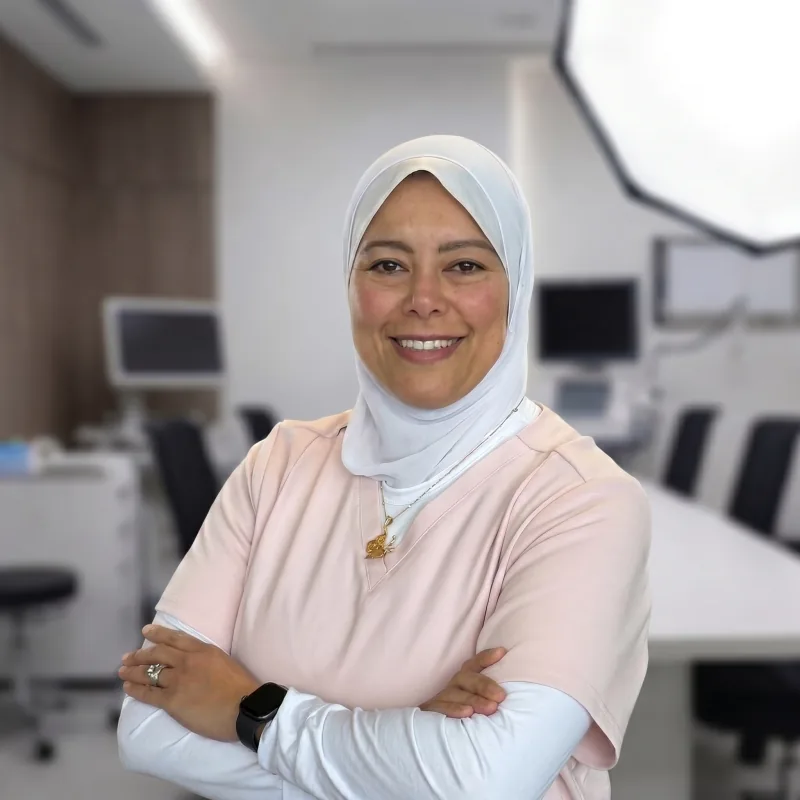
Lamiaa Hefni, PT, CWT, CLT-LANA, leads our women's health services. Beyond her CLT-LANA credential (held by roughly 1 in 100,000 Americans per the Lymphology Association of North America), she has extensive training in pelvic floor, postpartum, and oncology rehabilitation. All women's health visits are conducted in a private treatment room with respect for your comfort throughout.
In their own words
Patient outcomes
from this specialty.
"Lymphedema after breast surgery was ruining everything. Lamiaa was the only therapist who really helped. Manual drainage works. Arm almost normal. She truly cares."
"Post-lipo care here was better than what my surgeon's office provided. Lamiaa knew exactly what to do. Results improved dramatically."
Related services
What patients with this diagnosis
often add to their plan.
Lymphedema & Oncology
Most clinics call themselves lymphedema-friendly. Lamiaa Hefni holds the CLT-LANA — the credential roughly 1 in 100,000 Americans is qualified to carry. That is the difference between learning lymphedema and specializing in it.
Neurostim Scar
Microcurrent point stimulation (MPS) for surgical scars that produce pain, tightness, or restriction — even years after the original procedure. Used in coordination with manual therapy and post-surgical rehab.
Post-Surgical Rehab
A recovery plan written around your specific surgery, your specific surgeon's protocol, and your specific life — not a generic post-op checklist.
Common questions
About women's health
therapy.
In Illinois, no — direct access applies. You can schedule an evaluation directly. If you'd prefer to go through your OB-GYN, primary care, or oncologist, we're happy to coordinate. Many patients come to us through physician referrals.
Yes, in most cases. Pelvic floor PT, postpartum rehab, and breast cancer rehabilitation are standard PT services covered by most commercial insurances and Medicare. We verify coverage before your first visit.
Fully. Women's health sessions are conducted in a private treatment room — never in the open clinic. Internal pelvic exams (when appropriate to your case) are only performed with your explicit consent, and you can decline any portion of treatment at any time without affecting the rest of your care.
You can start during pregnancy for pelvic and back pain, and we treat throughout pregnancy with techniques and exercises that are safe at each stage. Postpartum, we typically wait until your 6-week clearance from your OB before beginning internal work — but external manual therapy and gentle core work can often start earlier.
Kegels are one tiny piece — and they're often done wrong, sometimes counterproductively. Pelvic floor PT addresses muscles that may be too tight, too weak, poorly coordinated, or all three. About half of pelvic floor dysfunction comes from muscles that are too tight, not too weak — meaning Kegels actually make those cases worse. We assess what's actually happening before prescribing exercises.
Get started
Book your
women's health evaluation.
Same-week availability for most new patients. We verify your benefits before your first visit.