Oncology
Neurostim Scar Therapy
in Hinsdale, IL
Microcurrent point stimulation (MPS) for surgical scars that produce pain, tightness, or restriction — even years after the original procedure. Used in coordination with manual therapy and post-surgical rehab.
Often paired with related care
What we treat
Conditions
seen in this specialty.
We accept these as primary diagnoses. If you're not sure where your case fits, a 60-minute evaluation maps it correctly on day one.
C-section scars
Even well-healed C-section scars can produce pain, abdominal restriction, and downstream pelvic floor or low back issues. Highly responsive to scar therapy.
Mastectomy & lumpectomy scars
Post-breast-cancer surgical scars often restrict shoulder mobility and contribute to lymphatic congestion. Treatment improves both.
Joint replacement & arthroscopy scars
Knee, hip, and shoulder surgical scars can contribute to lingering pain and stiffness. Scar therapy as part of post-surgical rehab.
Abdominal surgery scars
Appendectomy, hysterectomy, hernia repair, and other abdominal procedures. Fascial restriction from scars can produce pain far from the original incision.
Trauma & burn scars
Including scars from accidents, falls, or burns. Restoring tissue mobility reduces pain and improves range of motion.
Old scars (no age limit)
Scars decades old still respond to treatment. The fascial restrictions don't resolve on their own with time.
How we treat it
The clinical playbook
for this specialty.
01—Modality
What MPS scar therapy is
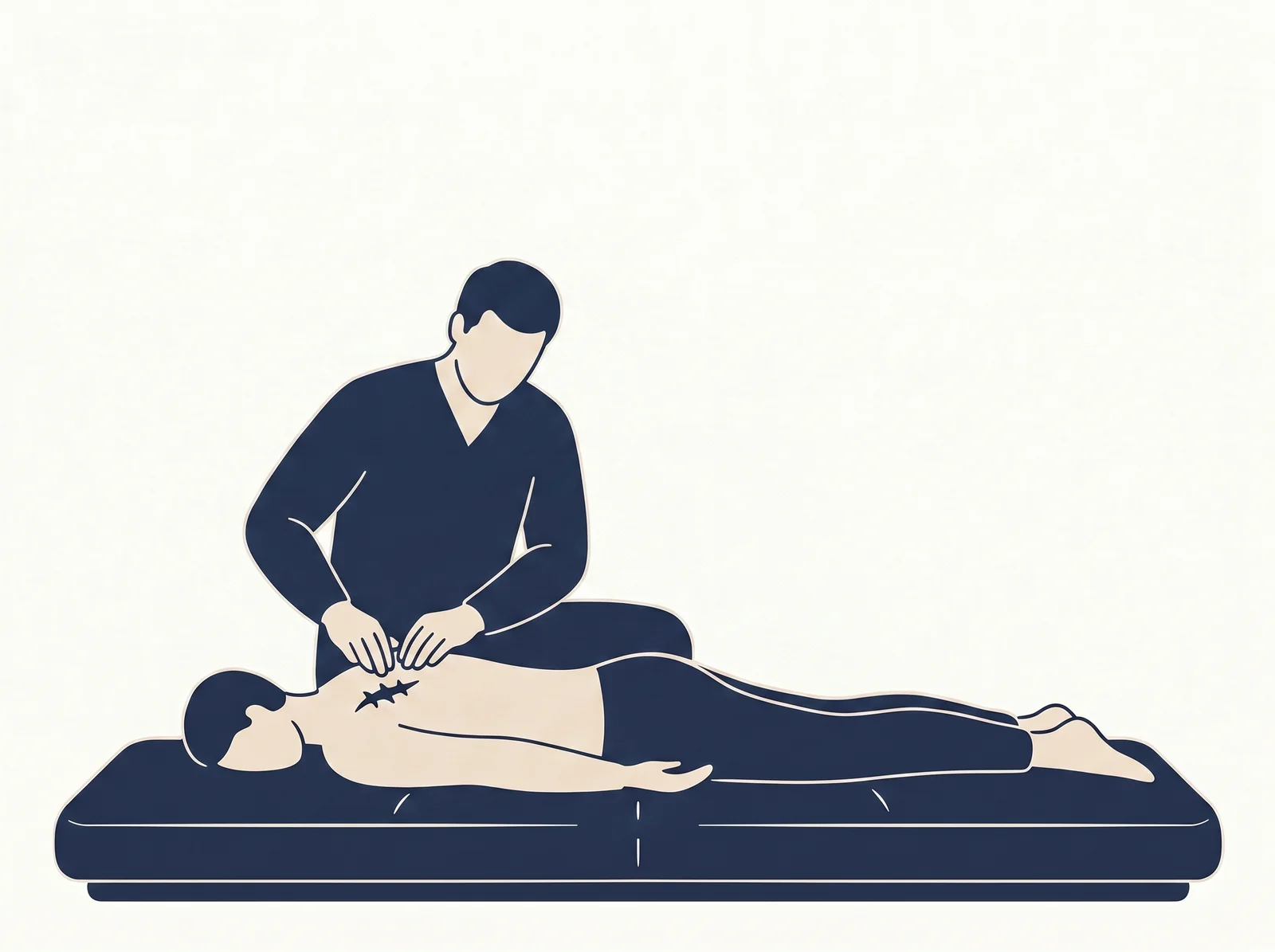
Microcurrent point stimulation applied to specific points on and around the scar. The current is well below sensation threshold and works at the cellular level to release fascial restriction.
02—Modality
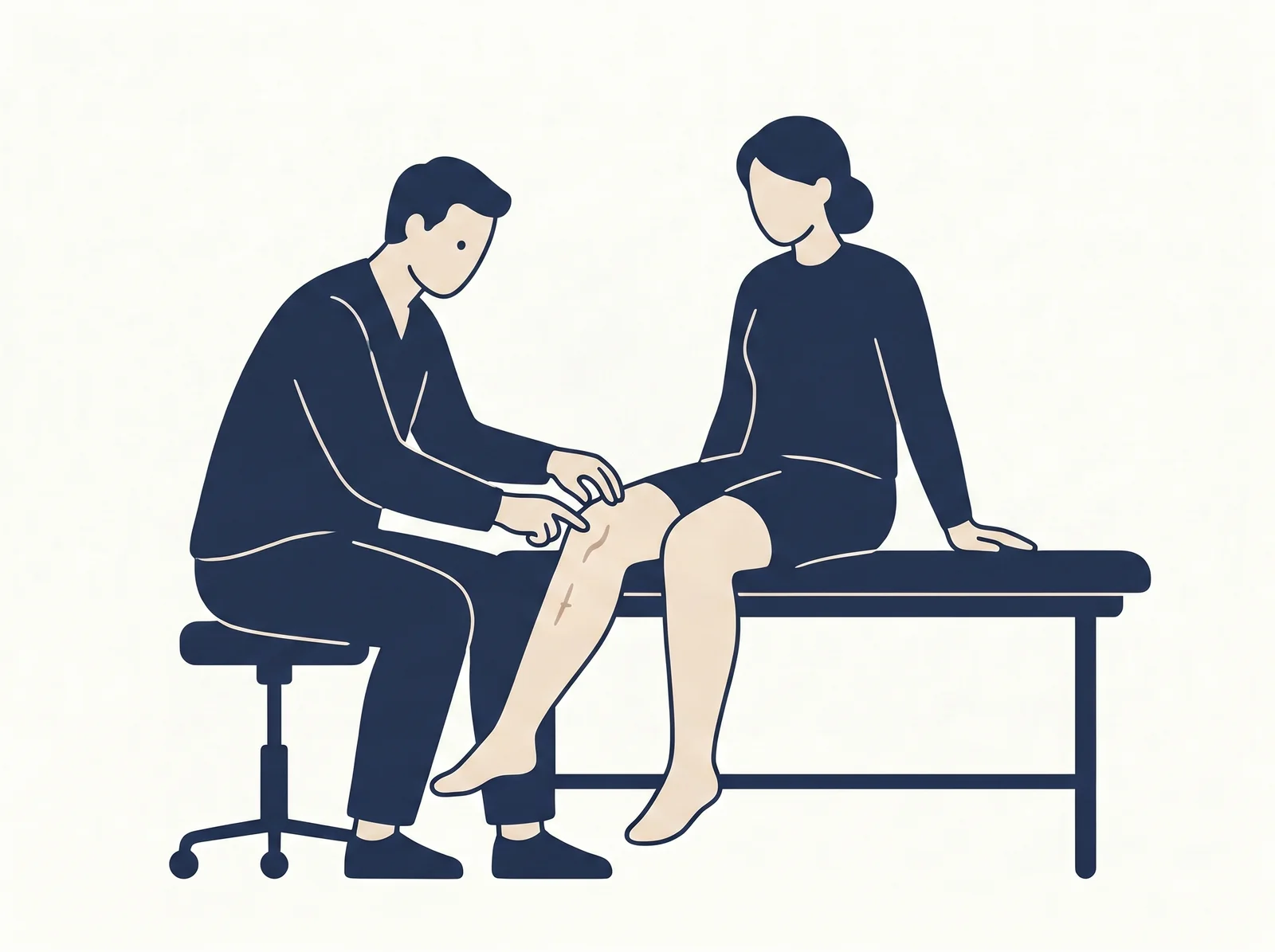
How scars cause pain far from the site
Surgical scars create fascial adhesions that pull on surrounding tissue. The body compensates, and over time these compensation patterns produce pain, restriction, or weakness — sometimes far from the original scar.
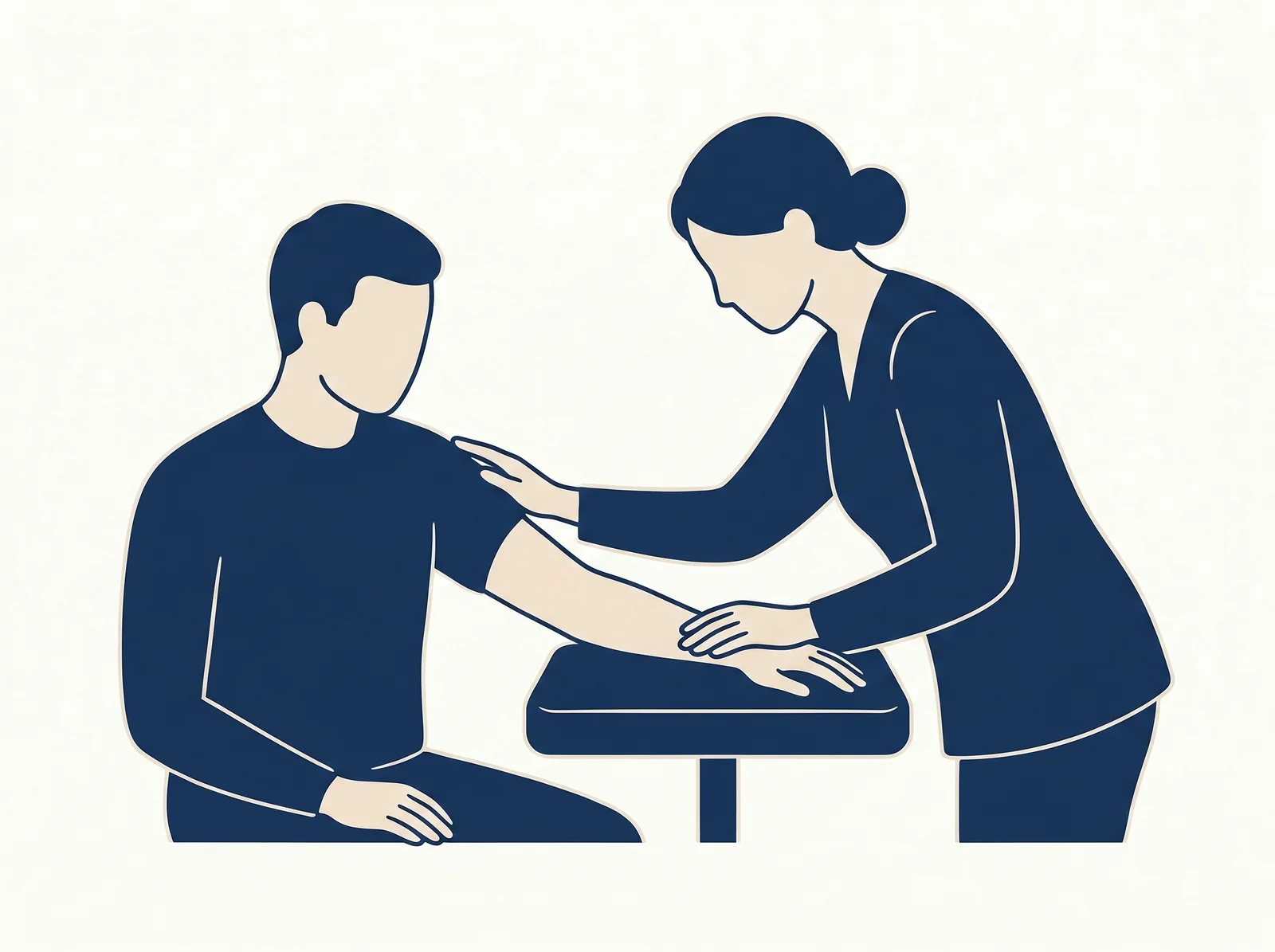
03—Modality
The Dolphin Neurostim device
The current standard for clinical scar release. FDA-cleared, evidence-supported, used in PT clinics and physician offices for chronic pain and scar restriction.
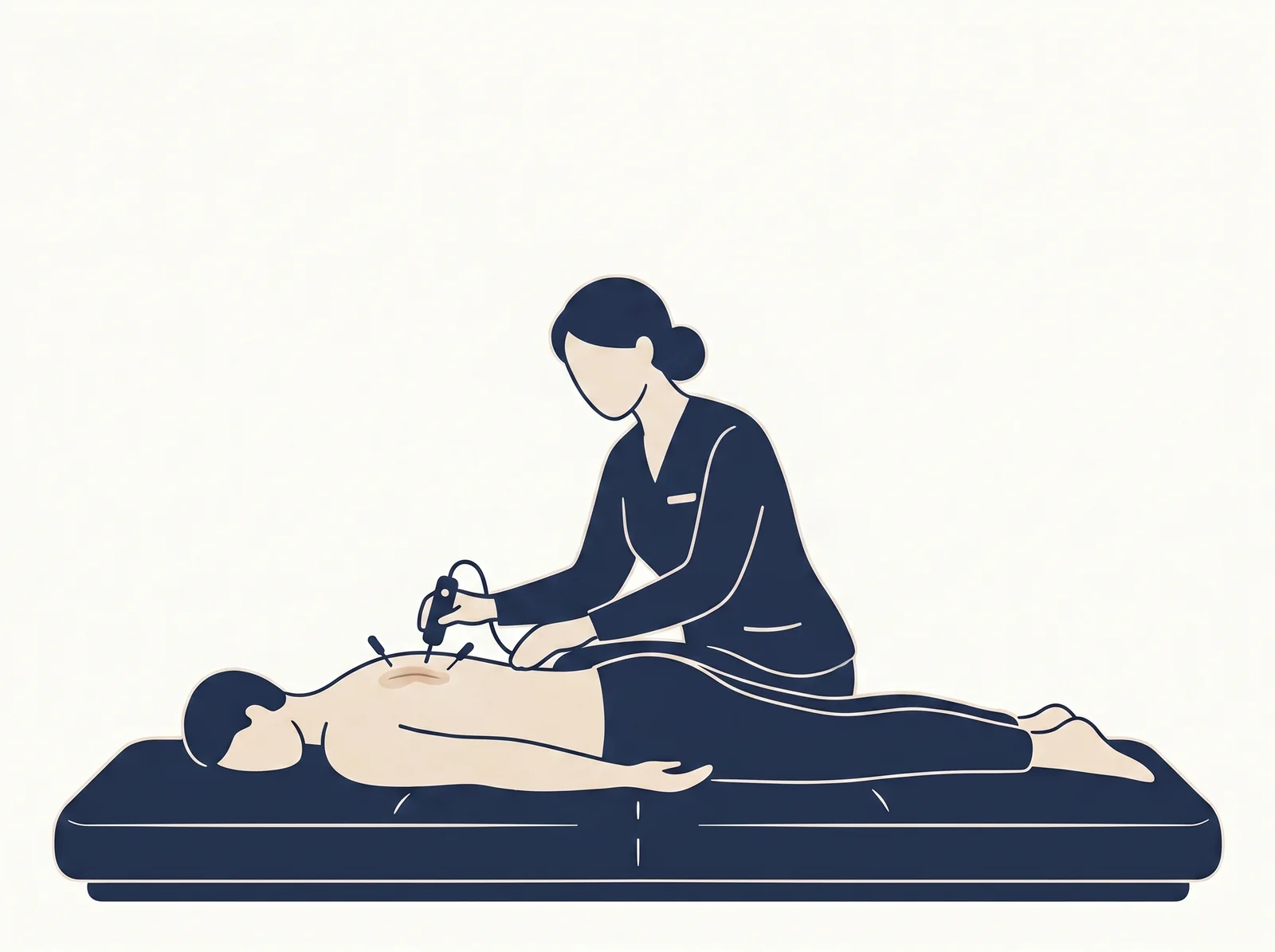
04—Modality
Painless application
The current is below sensation threshold. Most patients feel nothing during treatment beyond the slight contact of the probes. Sessions last 15–30 minutes per scar.
Painless application
05—Modality
Visible changes often in 1 session
Many patients see immediate softening of the scar tissue and improved mobility within a single session. Lasting change typically requires 3–6 sessions.
Visible changes often in 1 session
06—Modality
Combined with manual therapy
Scar therapy works best when paired with manual fascial work and movement-based rehab. The current loosens the tissue; the manual work and exercise integrate the changes.
What to expect
The phased timeline
most patients follow.
Honest milestones. Cases vary, but most look something like this. We re-test at every phase so progress is measured, not assumed.
- 01Visit 1
Evaluation
Scar assessment, identification of related restrictions and pain patterns, and first treatment session. Many patients notice immediate change.
- 02Sessions 1–3
Active treatment
Weekly or twice-weekly sessions. Most scars show meaningful softening and mobility improvement in the first 3 sessions.
- 03Sessions 3–6
Consolidation
For older or more complex scars, additional sessions deepen the response. We re-assess at session 3 to confirm we're making progress.
- 04Discharge
Self-management
A simple self-massage and stretching routine to maintain the gains. Most patients don't need ongoing treatment after the initial course.
Why Progressive PT
Why Lamiaa Hefni
leads this specialty.
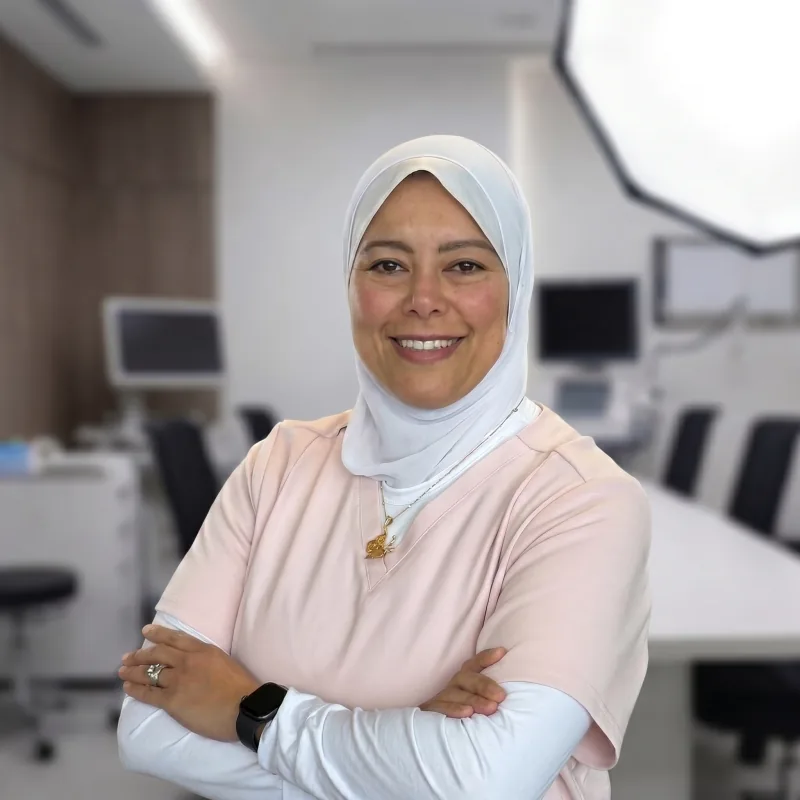
Lamiaa Hefni leads our scar therapy work — it's a natural extension of her lymphedema and oncology rehabilitation practice. Many of our scar therapy patients arrive through the lymphedema, post-mastectomy, or women's health pathways. The cross-pollination matters: a scar over a lymphatic pathway is a different problem than a scar over a healthy muscle, and we treat accordingly.
Related services
What patients with this diagnosis
often add to their plan.
Lymphedema & Oncology
Most clinics call themselves lymphedema-friendly. Lamiaa Hefni holds the CLT-LANA — the credential roughly 1 in 100,000 Americans is qualified to carry. That is the difference between learning lymphedema and specializing in it.
Women's Health
Specialized care for pelvic floor dysfunction, postpartum recovery, and breast cancer rehabilitation — led by Lamiaa Hefni, PT, CWT, CLT-LANA. Private, compassionate, evidence-based.
Post-Surgical Rehab
A recovery plan written around your specific surgery, your specific surgeon's protocol, and your specific life — not a generic post-op checklist.
Common questions
About neurostim scar
therapy.
For most procedures, once the incision is fully healed and your surgeon has cleared you for therapy — typically 4–6 weeks post-op for skin closure, 6–12 weeks for fascial work. For older scars, there's no waiting period. Decades-old scars still respond to treatment.
Most patients see meaningful improvement in 3–6 sessions. Older or more complex scars sometimes take longer. We re-evaluate at session 3 to confirm we're on track.
Often, yes. The fascial restrictions that surgical scars create don't resolve on their own with time. We've treated patients with scars 20+ years old and seen meaningful improvement. Older scars sometimes need a few more sessions, but the response is usually still strong.
When there's a documented functional issue tied to the scar — pain, restricted motion, contribution to lymphedema — most commercial insurances and Medicare cover the treatment as part of a broader PT plan. Cosmetic scar treatment alone isn't covered. We verify before treatment.
No — scar therapy doesn't remove scars cosmetically. What it changes is the fascial restriction and pain associated with the scar. The scar itself becomes softer, more mobile, and stops contributing to other symptoms. Cosmetic appearance often improves somewhat but isn't the primary goal.
Get started
Book your
neurostim scar evaluation.
Same-week availability for most new patients. We verify your benefits before your first visit.