
Vestibular
Vestibular Rehabilitation & Balance Therapy
in Hinsdale, IL
Same-day treatment for most BPPV. Comprehensive vestibular rehab for chronic dizziness, post-concussion symptoms, and age-related balance decline — led by Dr. Omar Hussien.
Often paired with related care
What we treat
Conditions
seen in this specialty.
We accept these as primary diagnoses. If you're not sure where your case fits, a 60-minute evaluation maps it correctly on day one.
Benign paroxysmal positional vertigo (BPPV)
The most common cause of vertigo — caused by displaced inner-ear crystals. Often resolved in 1–2 visits with the Epley or Semont maneuver.
Vestibular hypofunction & neuritis
Reduced inner-ear function on one or both sides — typically from viral inflammation or age. Treated with gaze stabilization and habituation training.
Meniere's disease
Episodic vertigo, hearing changes, and ear fullness. Vestibular PT helps manage symptoms and rebuild balance between episodes.
Post-concussion dizziness
Vestibular symptoms that linger after a head injury. Often misdiagnosed as anxiety — and remarkably responsive to targeted rehab.
Vestibular migraine
Migraine with vertigo as a primary symptom. We coordinate with your neurologist and address the vestibular component directly.
Age-related balance decline & fall risk
The single biggest predictor of independence loss in older adults. Targeted balance training reduces fall risk substantially — with measurable results.
When to see a PT
Signals that
warrant an evaluation.
If you notice any of these patterns — even occasionally — it's worth a sixty-minute assessment to map what's actually going on.
Spinning sensation rolling over in bed
Classic BPPV indicator. Often treatable in the first visit.
Dizziness standing up quickly
Could be vestibular, could be blood pressure. We test for both.
Imbalance walking on uneven surfaces
Trouble with grass, gravel, dimly lit rooms — often the first sign of vestibular dysfunction.
Nausea with head movement
A hallmark of vestibular issues, especially BPPV and vestibular migraine.
Visual sensitivity
Discomfort in busy environments, supermarket aisles, scrolling on your phone — a sign of vestibular-visual mismatch.
Recent fall or near-fall
The strongest predictor of future falls. Don't wait until the next one — balance can be rebuilt.
How we treat it
The clinical playbook
for this specialty.
01—Modality
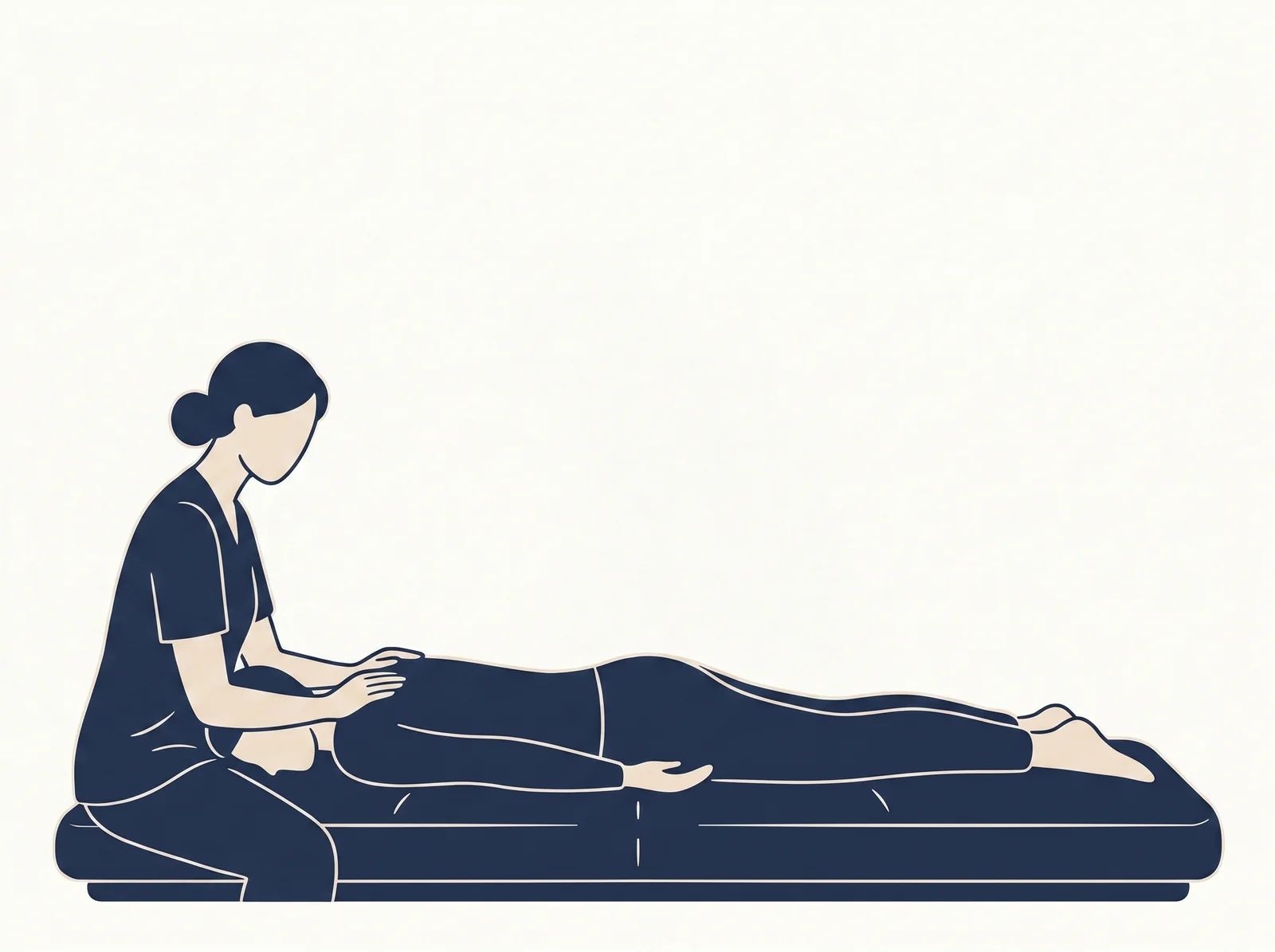
Canalith repositioning (Epley & Semont maneuvers)
For BPPV, this is the treatment. We perform the Dix-Hallpike and roll tests to identify the affected canal, then use the appropriate maneuver to relocate the displaced crystals. Often resolved in one visit.
02—Modality
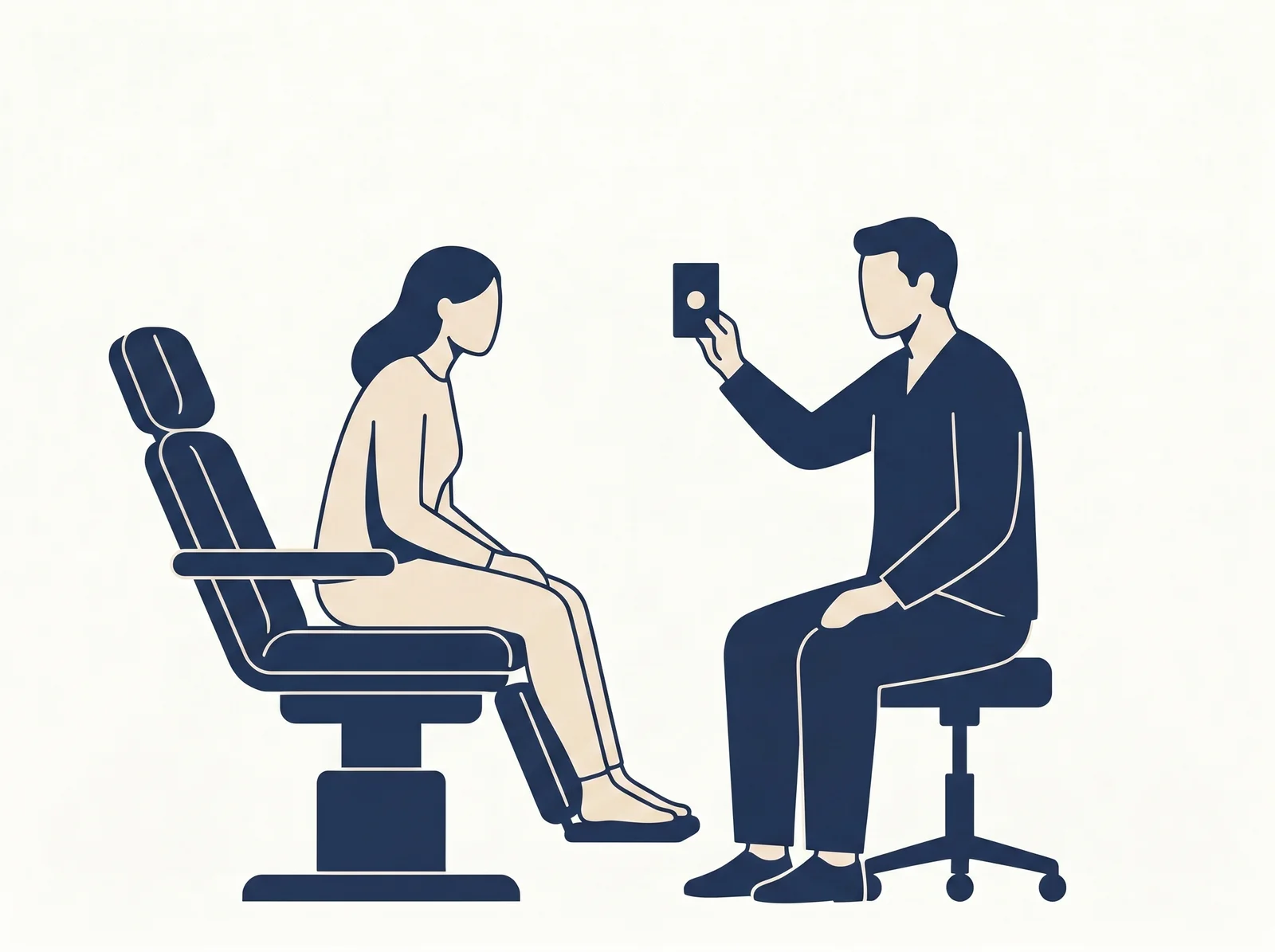
Gaze stabilization exercises
For vestibular hypofunction, we retrain the vestibulo-ocular reflex — the system that keeps the world stable when you move your head. Specific, progressive, and remarkably effective.
03—Modality
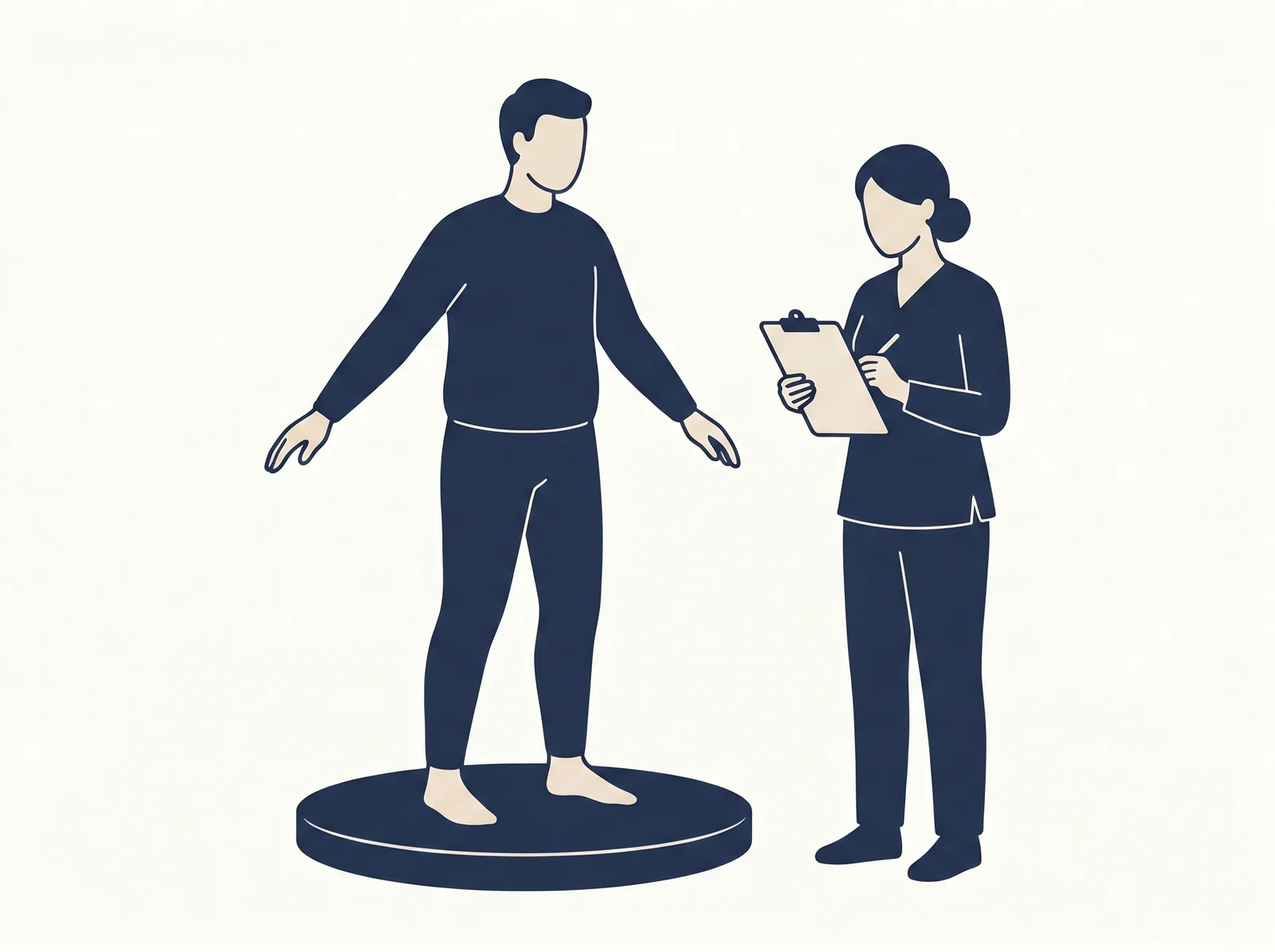
Habituation training
For motion sensitivity and visual vertigo, we deliberately expose the vestibular system to the movements that provoke symptoms. The brain adapts. Symptoms decrease.
04—Modality
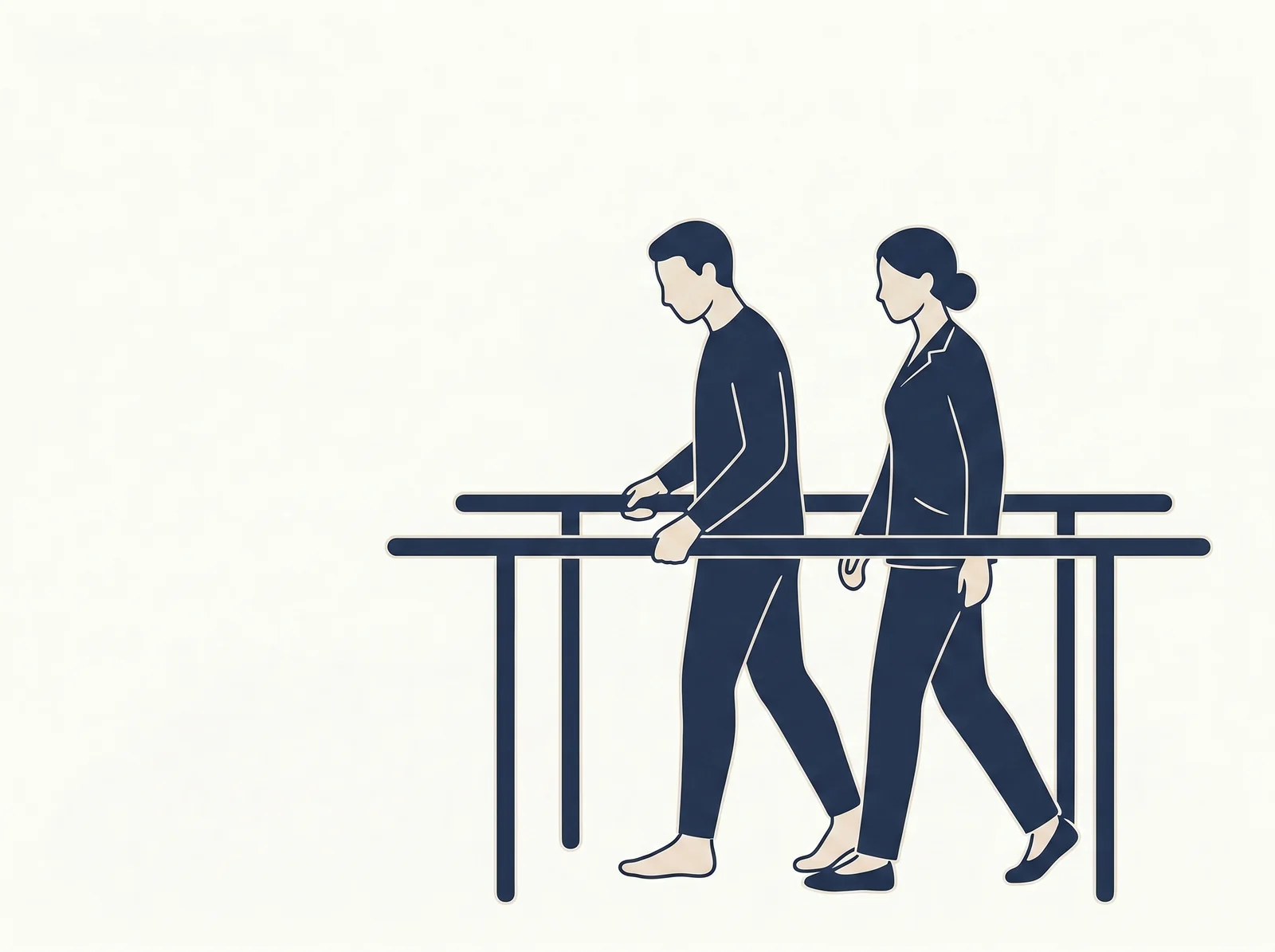
Biodex balance system assessment
Objective balance testing on a force plate. We measure exactly where the deficits are — postural sway, weight distribution, reaction time — and target the rehab to those specific findings.
05—Modality
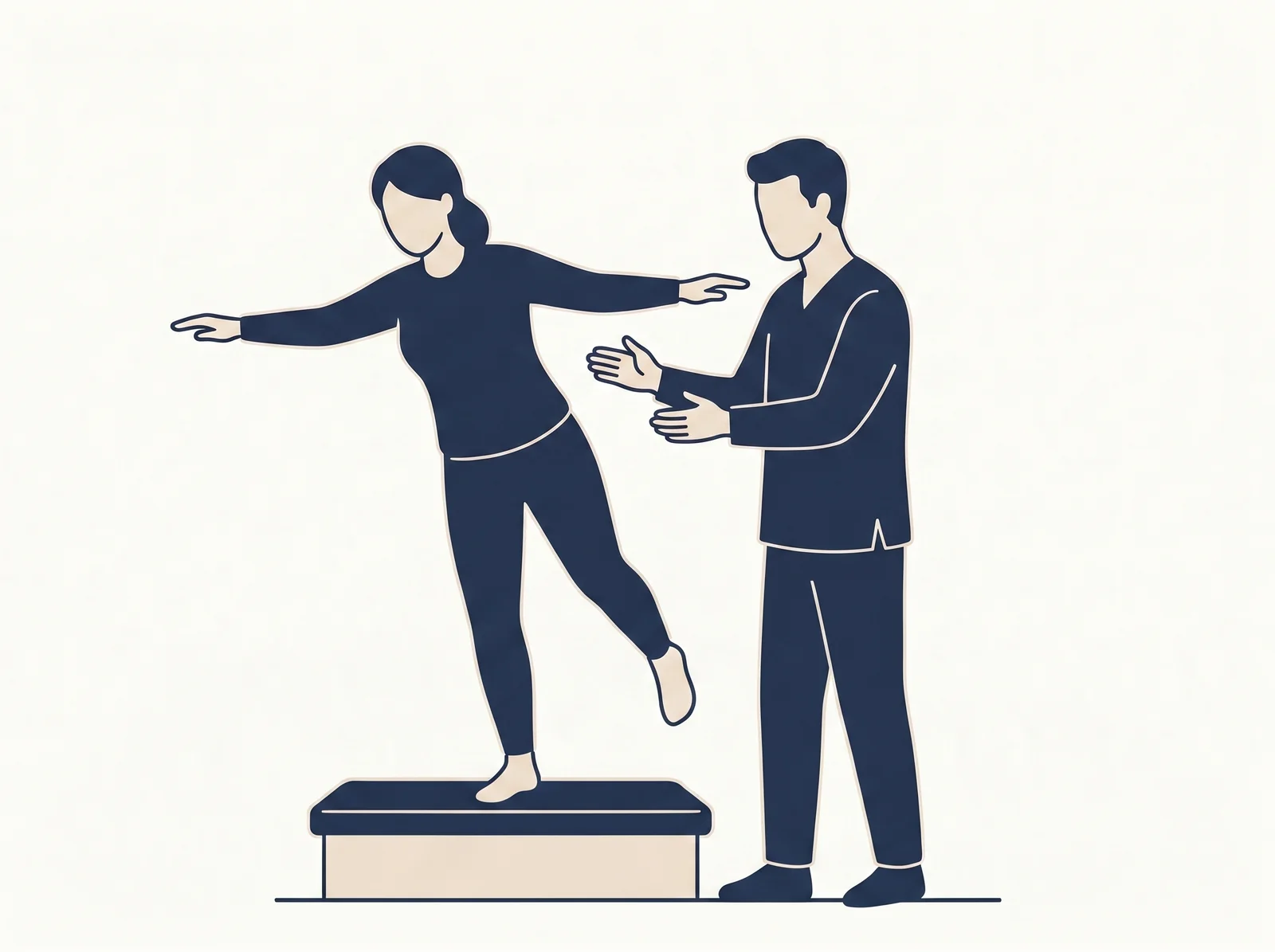
Fall prevention & strength training
For older adults, evidence-based fall prevention programs that combine balance work, lower-extremity strength, and home safety education. Measurable reduction in fall risk in 8–12 weeks.
06—Modality
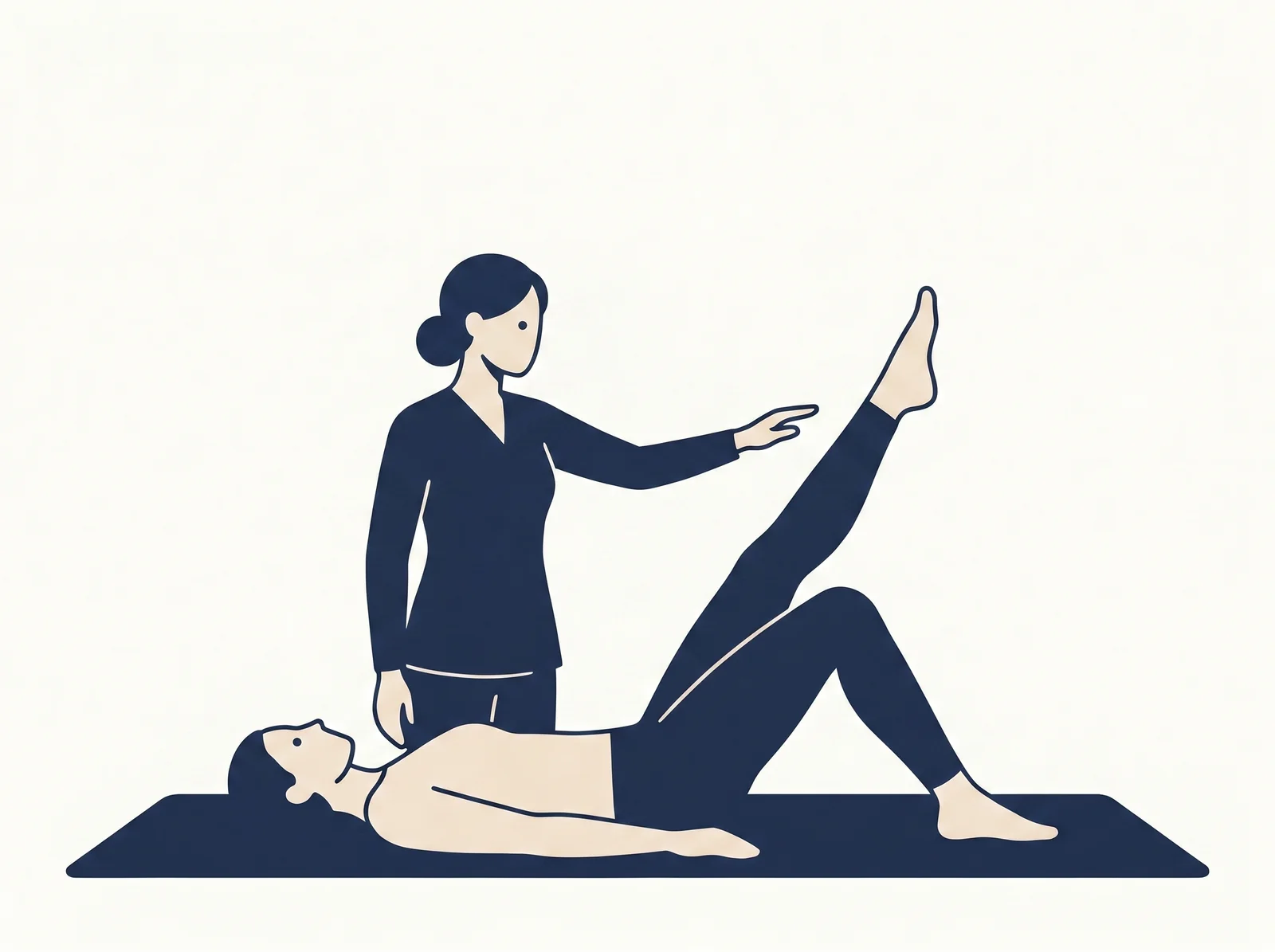
Cervical spine evaluation
Many "dizziness" cases have a cervicogenic component — the neck contributing to the symptoms. We assess for it and treat it when present.
What to expect
The phased timeline
most patients follow.
Honest milestones. Cases vary, but most look something like this. We re-test at every phase so progress is measured, not assumed.
- 01Visit 1
Diagnostic testing
Dix-Hallpike test, roll test, oculomotor exam, balance assessment. For most BPPV, treatment happens the same day.
- 02Week 1
Acute symptom management
For BPPV, often resolved. For vestibular hypofunction, gaze stabilization exercises begin and you'll feel progress within the first week.
- 03Weeks 2–6
Habituation & adaptation
The brain rewires its vestibular processing. Symptoms reduce, function returns. Most non-BPPV cases see major improvement in this window.
- 04Discharge
Independent management
A home program for maintenance, recognition of recurrence (BPPV can come back — we teach you to recognize it), and a clear plan if symptoms return.
Why Progressive PT
Why Dr. Omar Hussien
leads this specialty.
Dr. Omar Hussien has 29 years of vestibular experience and is a member of the Vestibular Disorders Association (VEDA). He performs every vestibular evaluation personally. BPPV is often resolved in a single visit. More complex cases — vestibular migraine, post-concussion dizziness, chronic hypofunction — get the full attention they require.

In their own words
Patient outcomes
from this specialty.
"Vertigo had me crawling to the bathroom. Six months grabbing walls after that inner ear thing. Other PT just did neck stretches. Omar figured out my balance was compensating weird, fixed my eye tracking — who knew that was a thing?"
Related services
What patients with this diagnosis
often add to their plan.
Migraine & Headache
Many headaches come from the neck — and respond remarkably well to targeted physical therapy. Whether your headache is purely cervicogenic, tension-driven, or migraine with a cervical component, we evaluate the whole picture.
TBI & Concussion
Concussions don't always resolve on their own — and post-concussion symptoms are highly treatable when addressed correctly. Vestibular, oculomotor, and cervical care under one roof.
Geriatric PT
Personalized rehabilitation for adults 65 and over. Fall prevention, post-hospitalization recovery, arthritis management, and the strength work that keeps you independent at home.
Common questions
About balance & vestibular
therapy.
For most BPPV cases, immediately. About 70–80% of patients are symptom-free after the first treatment, and most of the rest resolve with one additional session. If your dizziness doesn't respond to canalith repositioning, that's diagnostic information — it means we're dealing with something other than BPPV, and we adjust the plan.
BPPV can recur in roughly 30–50% of cases over the following 5 years. We teach you the warning signs and the self-treatment maneuvers so you can manage recurrences yourself, or come back for a quick visit if needed.
Not directly — but the falls it causes can be. The vertigo itself is uncomfortable and disorienting but not life-threatening. The treatment is safe, simple, and remarkably effective. There's no reason to live with it.
Yes. Vestibular and oculomotor rehabilitation are the evidence-based treatments for post-concussion syndrome involving dizziness. We coordinate with your physician and use sub-symptom-threshold protocols to gradually retrain the affected systems.
For some conditions, yes — but BPPV in particular responds so well to a single visit that waiting is unnecessary. For vestibular hypofunction or post-concussion dizziness, the longer you wait, the longer the brain takes to adapt. Early intervention almost always produces faster, better outcomes.
Get started
Book your
balance & vestibular evaluation.
Same-week availability for most new patients. We verify your benefits before your first visit.