
Neurological
Geriatric Physical Therapy
in Hinsdale, IL
Personalized rehabilitation for adults 65 and over. Fall prevention, post-hospitalization recovery, arthritis management, and the strength work that keeps you independent at home.
Often paired with related care
What we treat
Conditions
seen in this specialty.
We accept these as primary diagnoses. If you're not sure where your case fits, a 60-minute evaluation maps it correctly on day one.
Falls & balance decline
The single biggest predictor of independence loss. Targeted balance training reduces fall risk by 30–50% in measured studies.
Osteoarthritis & joint pain
Knee, hip, hand, and spine arthritis. PT slows progression, reduces pain, and maintains the function that medications alone can't restore.
Post-hospitalization deconditioning
The weakness and unsteadiness that follow a hospital stay. Highly treatable — and often the difference between returning home and needing a higher level of care.
Post-surgical recovery
Joint replacements, spine surgery, fracture repairs. Senior-specific rehab that accounts for slower healing and the goal of returning home safely.
Parkinson's disease & neurological decline
Evidence-based exercise programs (LSVT BIG concepts, structured aerobic training) that slow progression and preserve quality of life.
Lymphedema in older adults
Lymphedema doesn't care about age. Lamiaa Hefni, CLT-LANA, provides specialized treatment for older patients with primary or secondary lymphedema.
When to see a PT
Signals that
warrant an evaluation.
If you notice any of these patterns — even occasionally — it's worth a sixty-minute assessment to map what's actually going on.
Recent fall or near-fall
The strongest predictor of future falls. Don't wait until the next one.
Feeling unsteady on your feet
Hesitation walking, holding onto furniture, fear of stairs. Treatable — and worth treating before it becomes a fall.
Trouble getting up from a chair
Specific functional measure that predicts independence. Improvable in 6–8 weeks with targeted strengthening.
Joint pain limiting your activities
When the things you used to enjoy now hurt too much to do.
Returning home after a hospital stay
Most older adults lose meaningful strength and function during hospitalization. Recovering it isn't automatic.
Recent diagnosis of Parkinson's, MS, or stroke
The earlier you start structured PT, the better the long-term trajectory.
How we treat it
The clinical playbook
for this specialty.
01—Modality
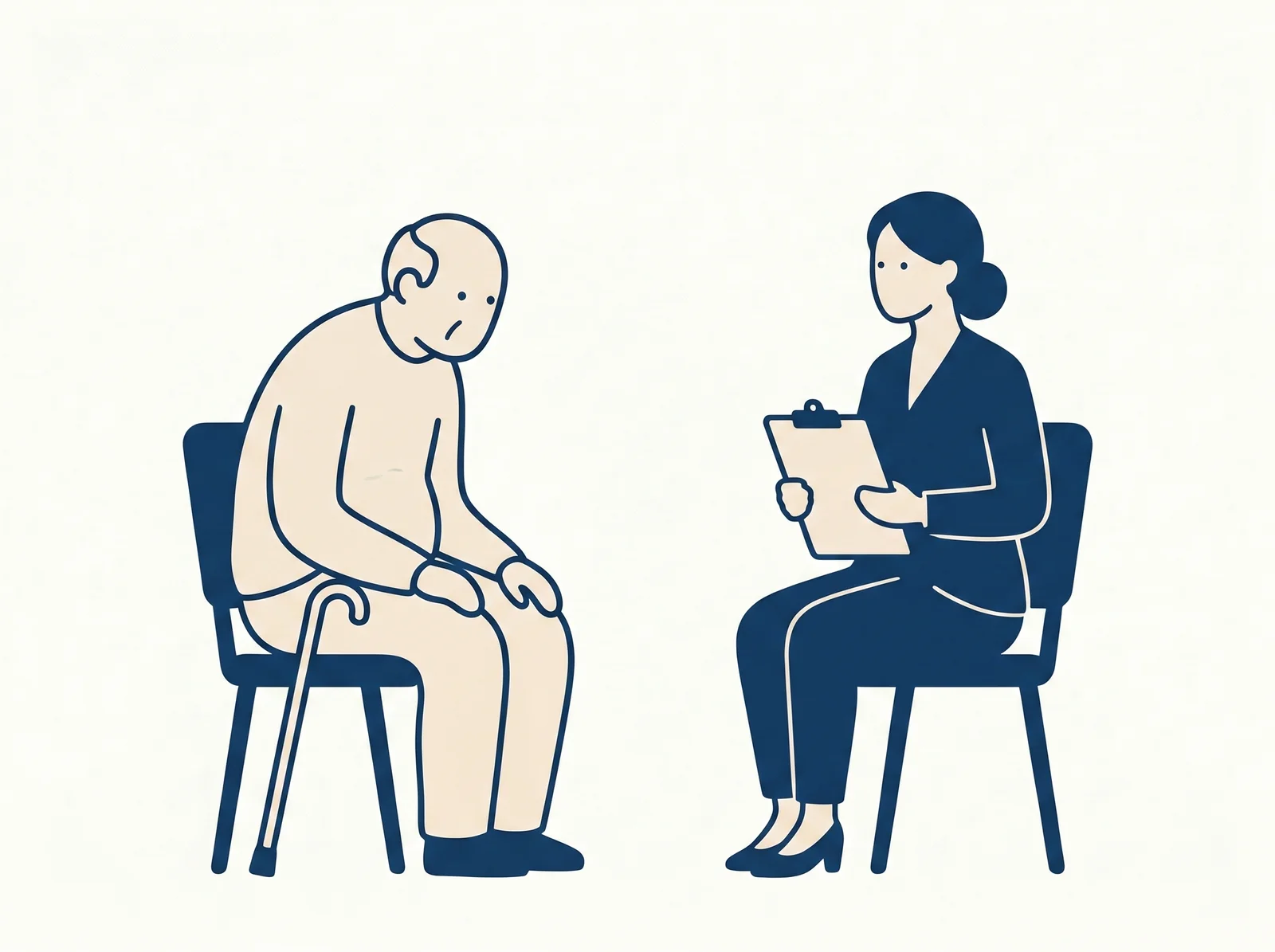
Comprehensive functional assessment
Strength, balance, gait, endurance, and activities of daily living. We use objective measures so you can see exactly where you are and exactly where you're progressing.
02—Modality
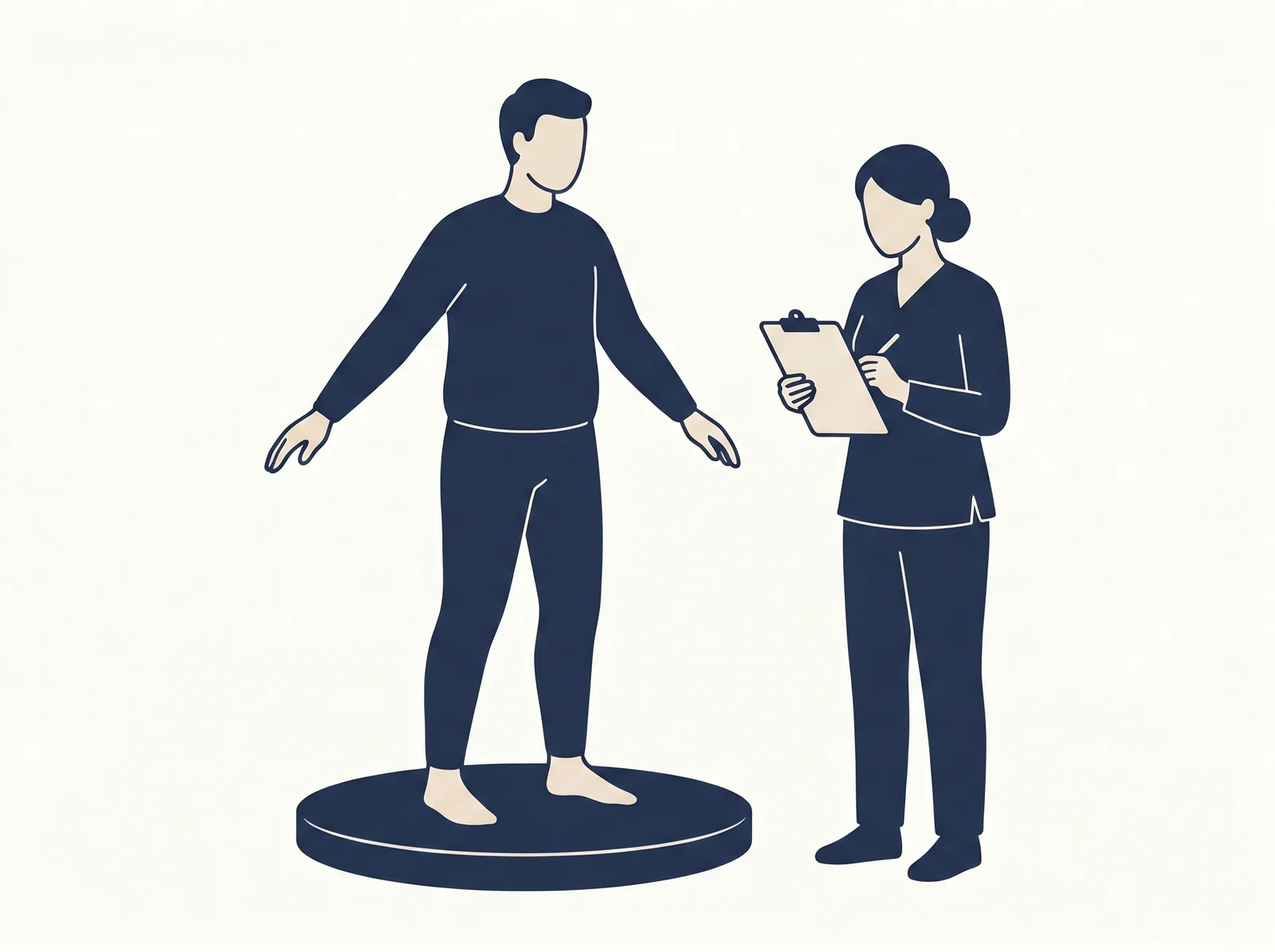
Biodex balance testing
Objective measurement of postural sway, weight distribution, and reaction time. Tells us exactly where balance deficits live so we can target them precisely.
03—Modality
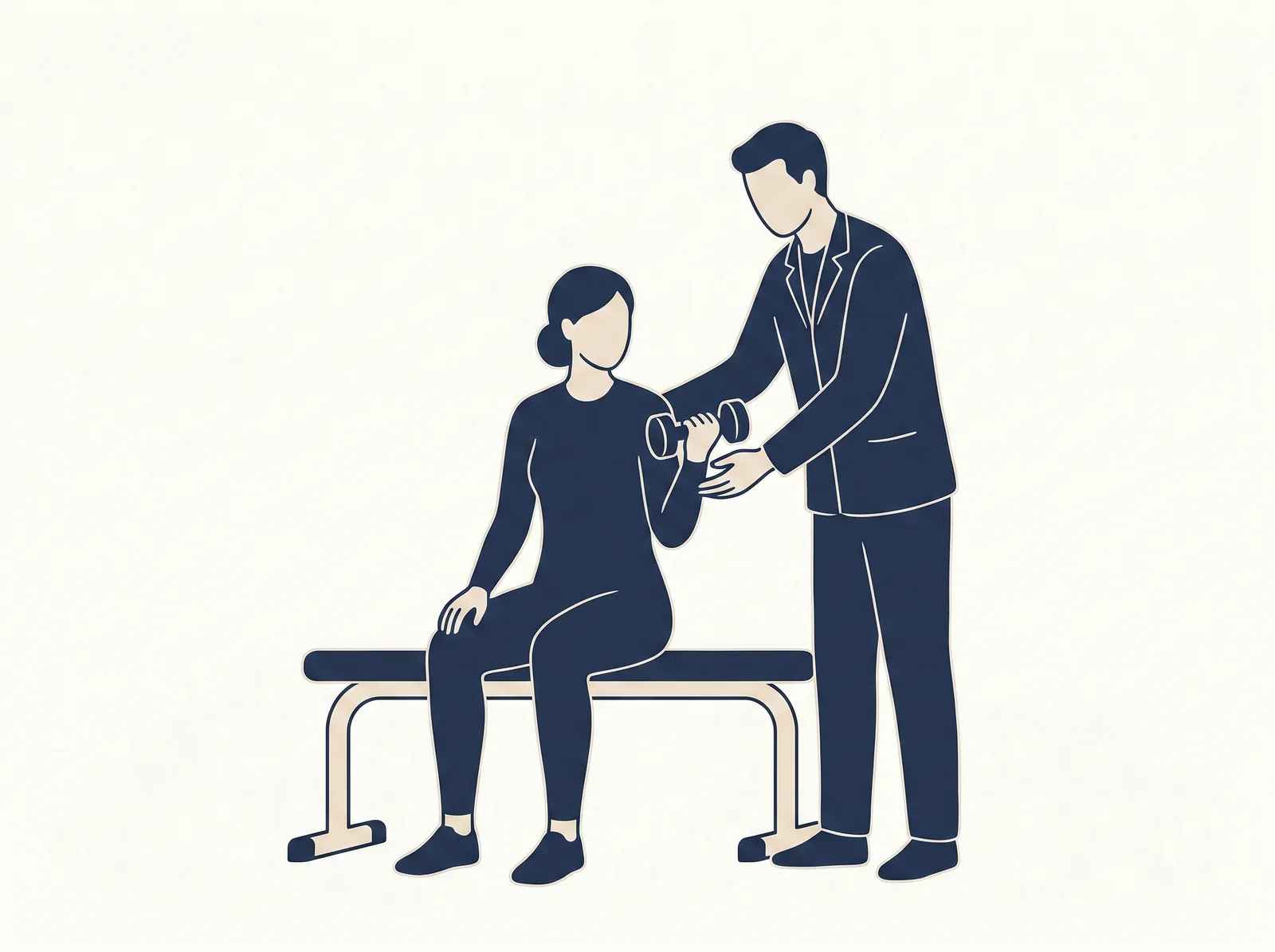
Fall prevention programs
Evidence-based combinations of balance training, lower-extremity strengthening, and home safety education. Measurable reduction in fall risk in 8–12 weeks.
04—Modality
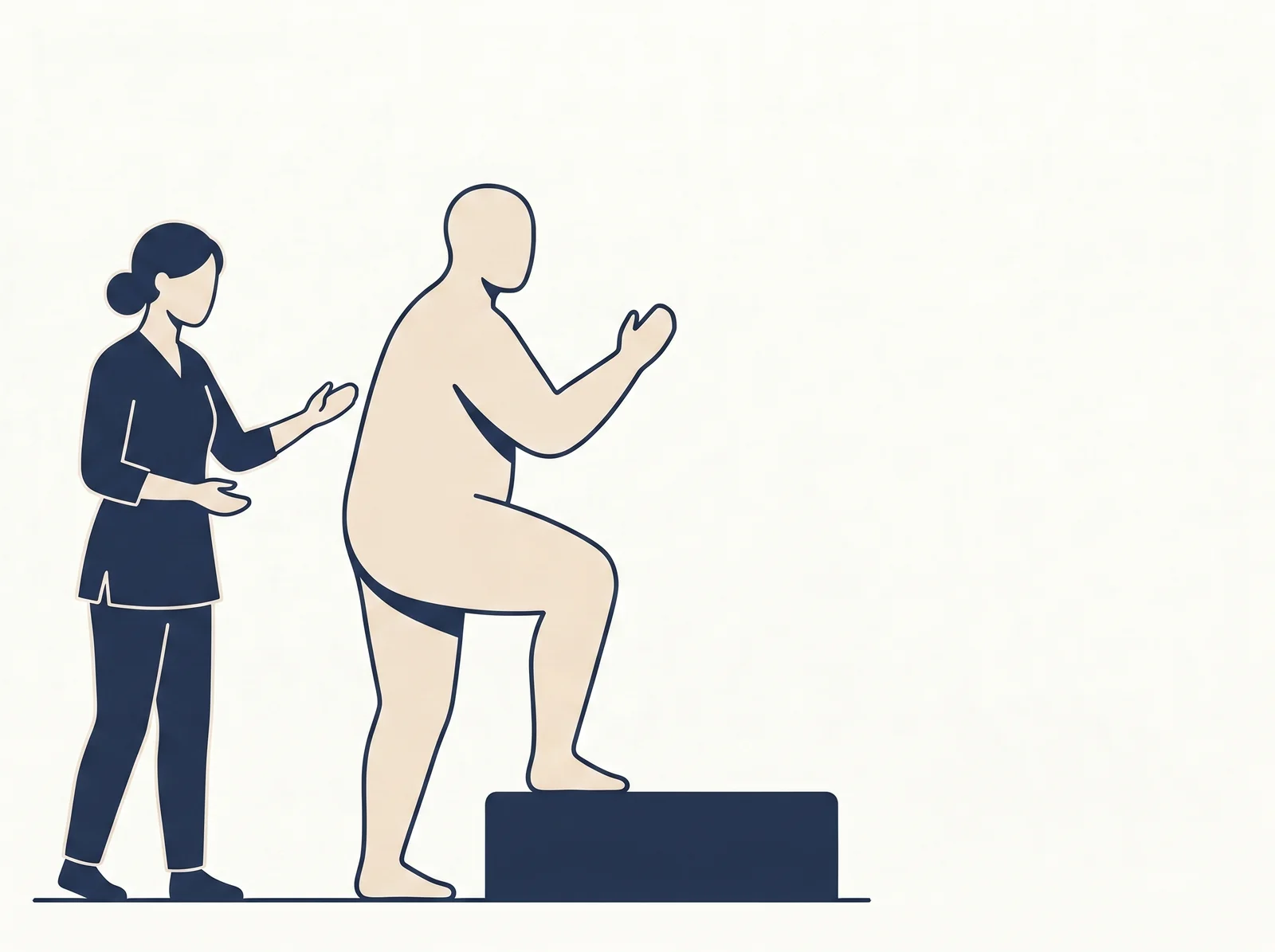
Strength & endurance building
Progressive resistance training calibrated to your starting point. Strength matters more than almost anything else for staying independent — and it's rebuildable at any age.
05—Modality
Home safety & caregiver education
Home assessment recommendations, assistive device selection, and family education on safe transfers and exercise progression.
06—Modality
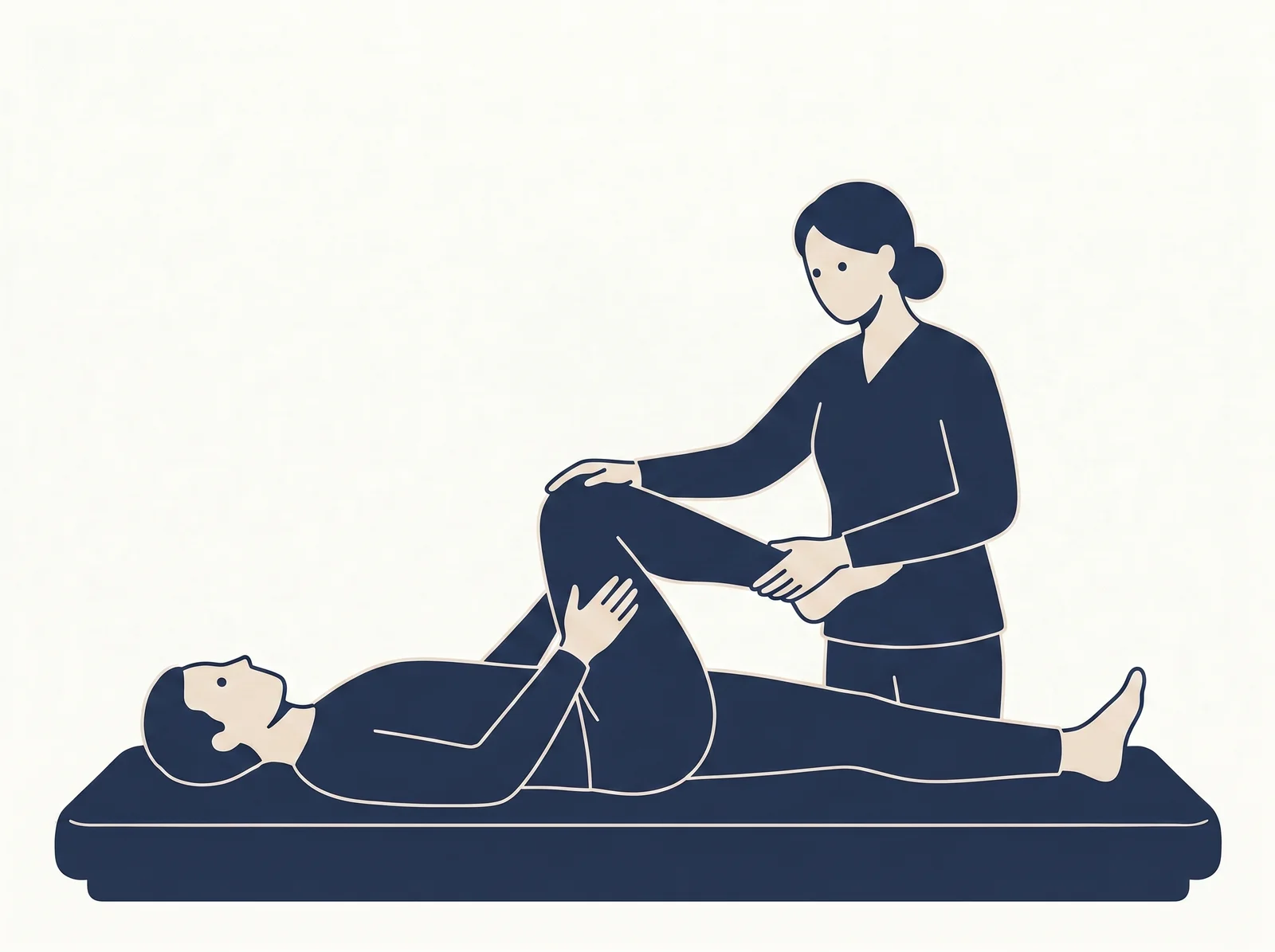
Arthritis-specific care
Joint-protective strengthening, manual therapy for stiff joints, and the pacing strategies that let you do more with less pain.
What to expect
The phased timeline
most patients follow.
Honest milestones. Cases vary, but most look something like this. We re-test at every phase so progress is measured, not assumed.
- 01Visit 1
Full evaluation
Functional testing, balance assessment, strength measurement. We coordinate with your physician and any other care team members.
- 02Weeks 1–4
Foundation building
Initial strengthening, balance training, and addressing the specific deficits found in evaluation. Most patients notice early improvements within 3–4 visits.
- 03Weeks 4–12
Progressive gains
Strength, balance, and endurance build over time. The objective measures from visit 1 show the gains — which is often more reassuring than how you feel day-to-day.
- 04Discharge & beyond
Maintenance program
A sustainable home routine and periodic check-ins. For progressive conditions, ongoing structured PT often makes sense.
Why Progressive PT
Why Progressive PT
leads this specialty.
Most senior care depends on the strength and balance work that gets shortchanged in 20-minute factory PT visits. We don't do that here. Every geriatric patient gets one hour with their therapist — Dr. Omar Hussien or Lamiaa Hefni — every visit. The work is hands-on, the pace respects you, and the goal is your independence.

Related services
What patients with this diagnosis
often add to their plan.
Balance & Vestibular
Same-day treatment for most BPPV. Comprehensive vestibular rehab for chronic dizziness, post-concussion symptoms, and age-related balance decline — led by Dr. Omar Hussien.
Stroke & SCI
Outpatient neurological rehab for stroke survivors, spinal cord injury patients, and people living with progressive conditions. Personalized, hour-long sessions — not a 20-minute factory visit.
Post-Surgical Rehab
A recovery plan written around your specific surgery, your specific surgeon's protocol, and your specific life — not a generic post-op checklist.
Common questions
About geriatric pt
therapy.
For active rehab (after surgery, hospital stay, or new diagnosis), typically 2–3 visits per week for 6–12 weeks. For maintenance of strength and balance in stable conditions, 1 visit per week or every other week can be enough. The right frequency depends on what we're working on and how you're responding.
Medicare covers the PT visits where you learn the exercises, not the exercises themselves. The home program is included as part of the PT plan of care. There's no annual cap on PT visits anymore, but Medicare requires documented medical necessity and ongoing progress.
For some situations, yes — especially follow-up visits, home exercise progression, and check-ins for stable conditions. For initial evaluations, hands-on treatment, and balance work, in-person is generally better. We offer both and recommend what fits your situation.
Yes, and that's usually how it works. Most older patients have several things going on at once — arthritis plus balance issues plus deconditioning, for example. We build a plan that addresses them in a coordinated way, prioritizing the changes that produce the biggest functional gains.
It's an outdated view. Current evidence strongly supports PT for arthritis — especially for knee and hip osteoarthritis. PT doesn't reverse joint damage, but it substantially reduces pain, improves function, and delays the need for joint replacement. The clinical guidelines from the American Academy of Orthopaedic Surgeons recommend PT as first-line treatment.
Get started
Book your
geriatric pt evaluation.
Same-week availability for most new patients. We verify your benefits before your first visit.