
Vestibular
Migraine & Headache Physical Therapy
in Hinsdale, IL
Many headaches come from the neck — and respond remarkably well to targeted physical therapy. Whether your headache is purely cervicogenic, tension-driven, or migraine with a cervical component, we evaluate the whole picture.
Often paired with related care
What we treat
Conditions
seen in this specialty.
We accept these as primary diagnoses. If you're not sure where your case fits, a 60-minute evaluation maps it correctly on day one.
Cervicogenic headaches
Headaches originating from neck dysfunction. Often misdiagnosed as tension headache or migraine. Highly responsive to manual therapy.
Tension-type headaches
The most common headache type — typically driven by muscular tension, postural stress, and trigger points. Responds well to hands-on care.
Migraine with or without aura
PT doesn't replace migraine medication, but it can substantially reduce frequency and severity in patients with a cervical component — which is most of them.
Vestibular migraine
Migraine with vertigo as a primary symptom. Combined vestibular rehab and cervical treatment, coordinated with your neurologist.
Post-concussion headaches
Headaches that persist after a head injury. The cervical contribution is often significant and often overlooked.
TMJ-related headaches
Jaw dysfunction radiating into the head. We evaluate for it, treat the cervical and soft tissue components, and refer to a dentist when indicated.
When to see a PT
Signals that
warrant an evaluation.
If you notice any of these patterns — even occasionally — it's worth a sixty-minute assessment to map what's actually going on.
Pain that starts at the base of the skull
Classic cervicogenic pattern — often radiating forward to the temple or behind the eye.
Headache triggered by neck movement
A clear sign of cervical involvement, even in patients diagnosed with "migraine."
One-sided pain
Consistently on the same side — typical of cervicogenic headache and certain migraine subtypes.
Pain provoked by sustained postures
Hours at a desk, long car rides, or reading in bed. Postural drivers are highly treatable.
Sensitivity to light, sound, or smell
Classic migraine features. We don't treat the migraine pathway directly, but addressing the cervical component often reduces overall frequency.
Dizziness with the headache
Points to vestibular migraine or cervicogenic dizziness — both treatable.
How we treat it
The clinical playbook
for this specialty.
01—Modality
Comprehensive headache history & triggers
We map out your pattern — frequency, duration, what triggers, what helps. The plan flows from understanding the specific picture, not a generic "headache protocol."

02—Modality
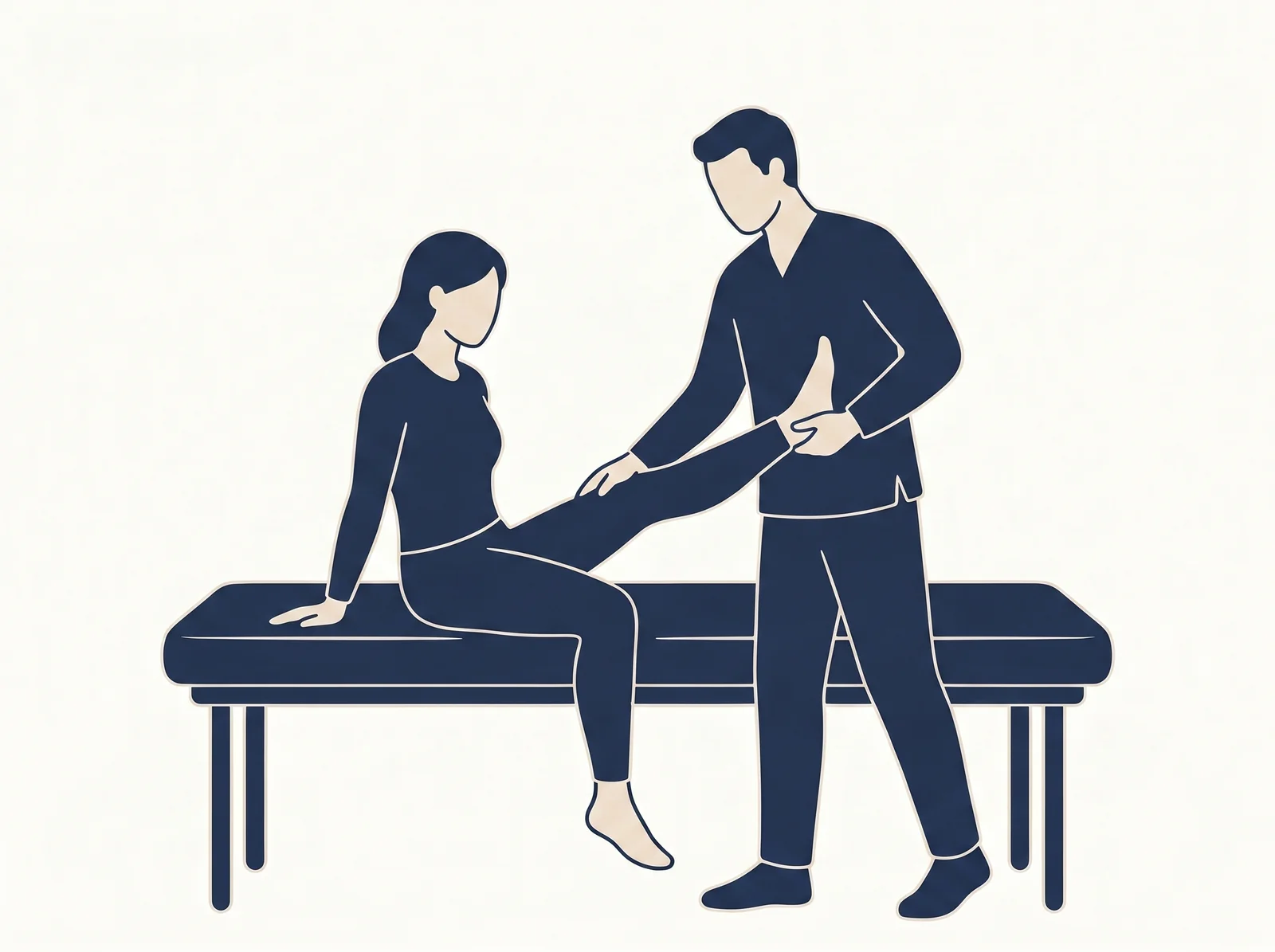
Cervical & cranial assessment
Detailed examination of the upper cervical spine, suboccipital muscles, and cranial nerves. This is where most cervicogenic and tension headaches live.
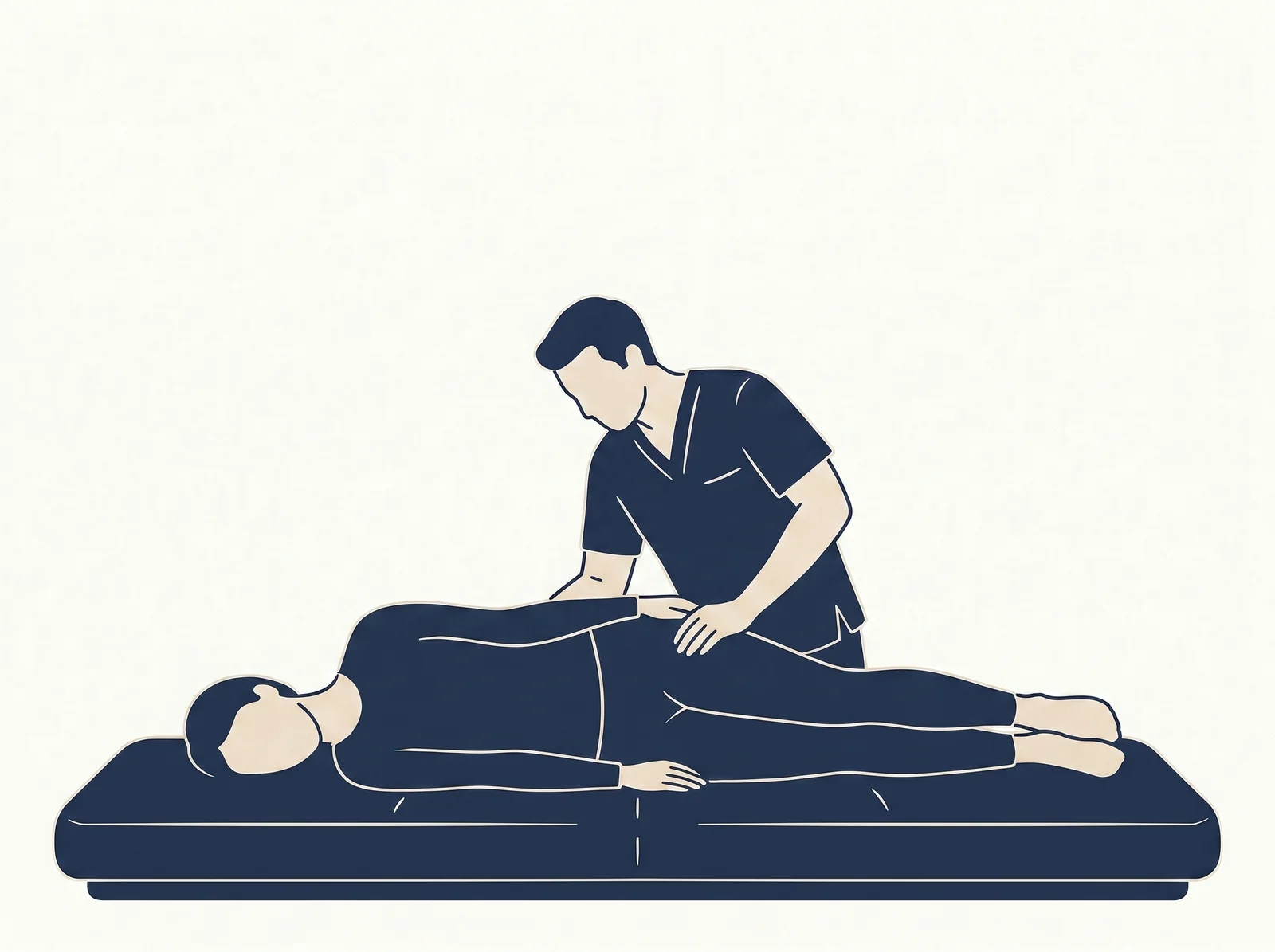
03—Modality
Manual therapy & trigger point release
Hands-on treatment of the muscles and joints that drive headache pain. The suboccipitals, upper trapezius, and SCMs are common culprits.
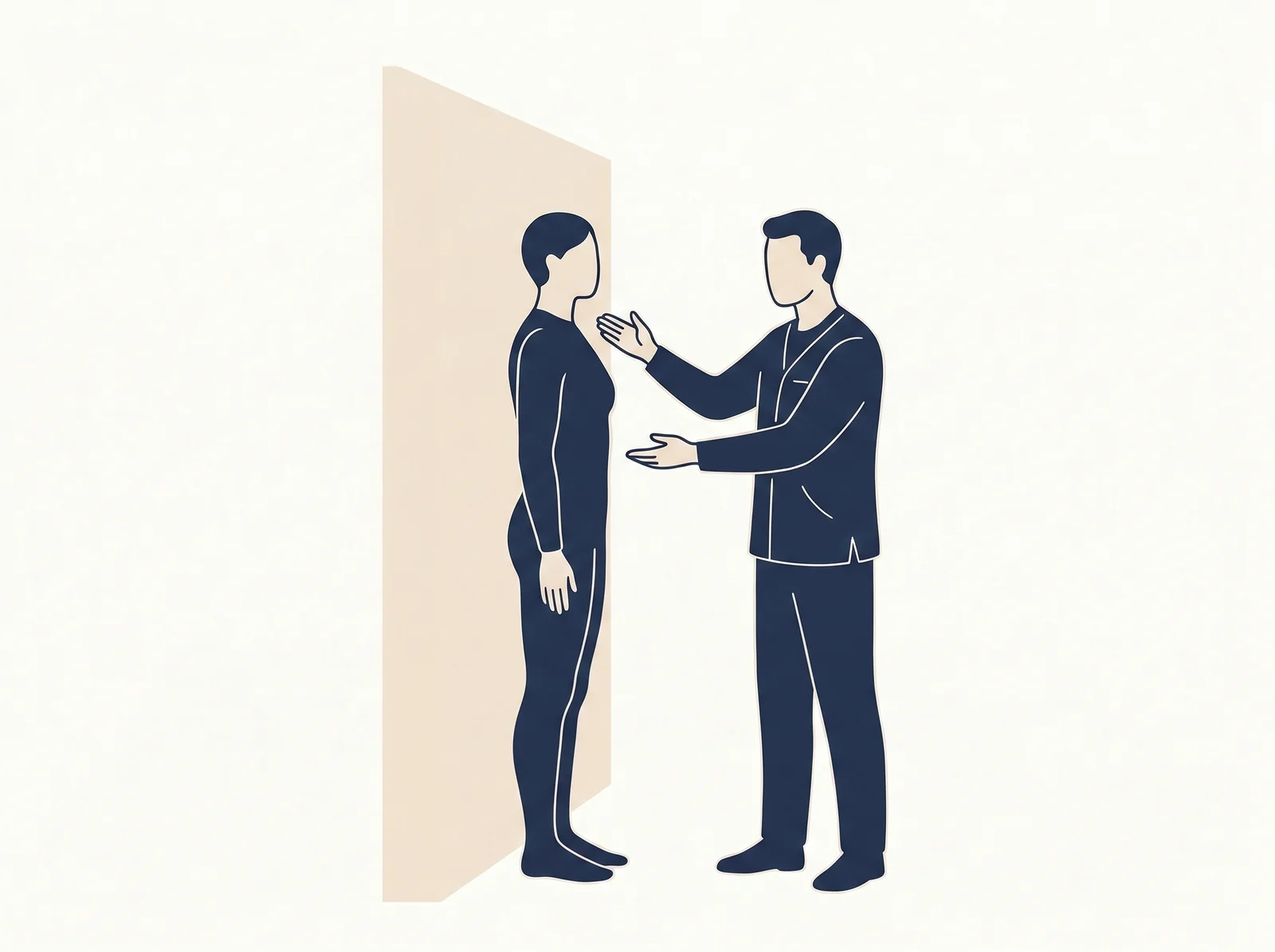
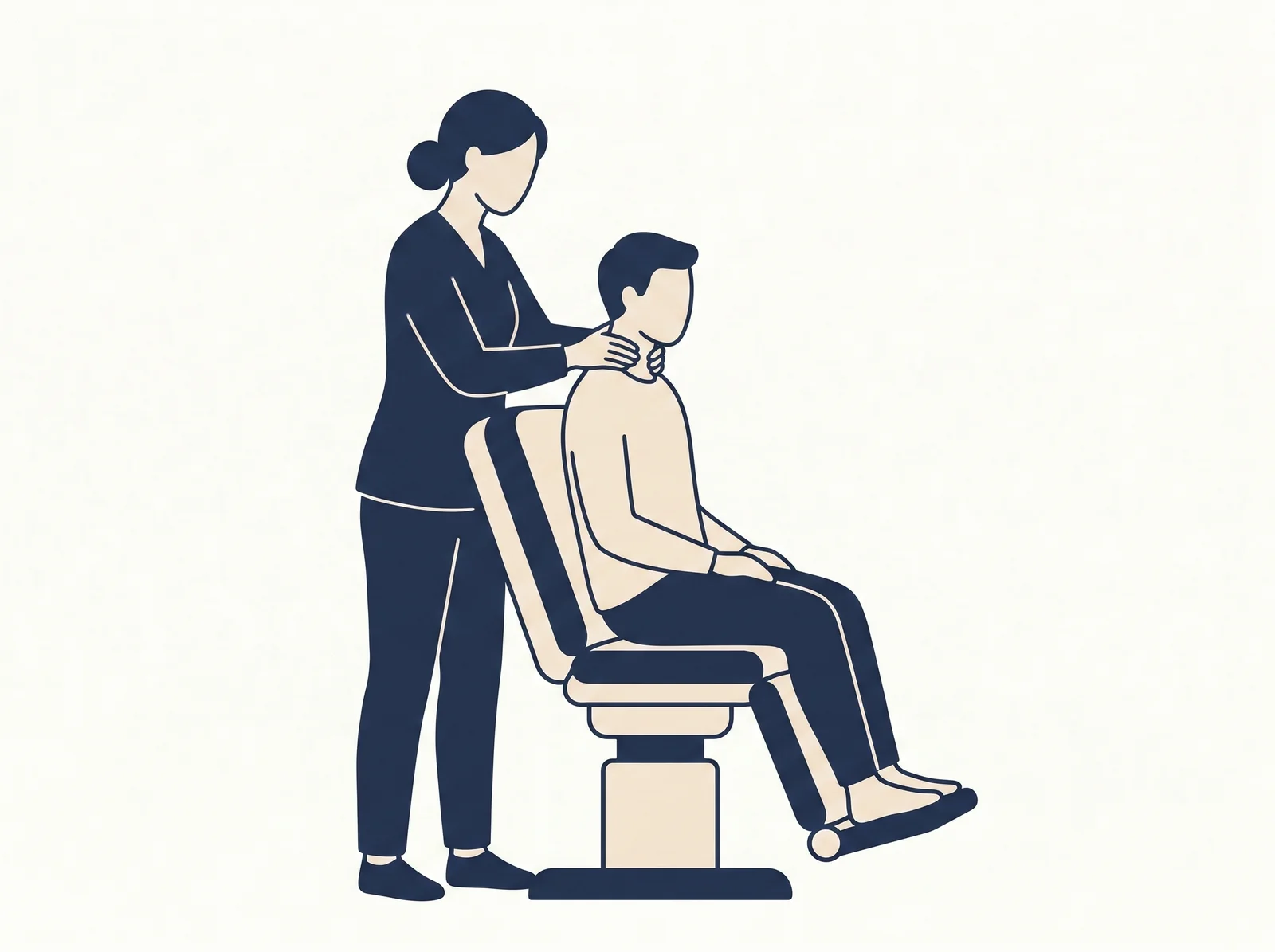
04—Modality
Postural correction & ergonomics
Sustained postures feed headache patterns. We identify the daily triggers — desk setup, sleep position, phone use — and give you concrete changes.
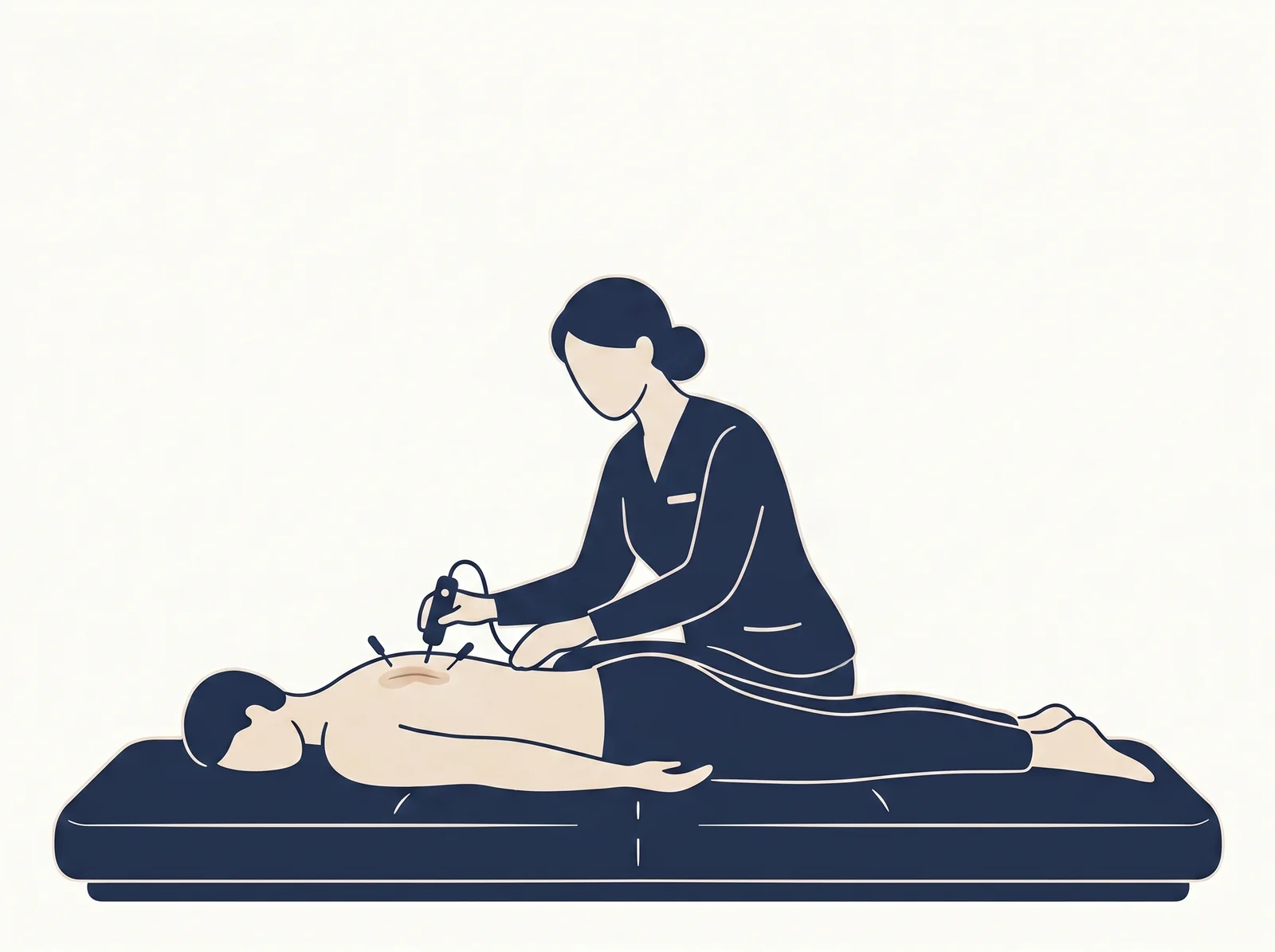
05—Modality
Cold laser & neurostim when indicated
For inflammatory or scar-related headache contributors, modalities accelerate the response to manual care.
06—Modality
Stress, sleep & lifestyle coaching
Sleep position, hydration, eye strain, and stress patterns all contribute. We address the picture, not just the painful muscles.
What to expect
The phased timeline
most patients follow.
Honest milestones. Cases vary, but most look something like this. We re-test at every phase so progress is measured, not assumed.
- 01Visit 1
Headache mapping
Detailed history, cervical and cranial exam, identification of trigger patterns. You leave with hands-on treatment and a plan calibrated to your specific headache type.
- 02Weeks 1–3
Acute reduction
Most cervicogenic and tension headache patients see meaningful reduction in frequency or intensity within 2–4 visits. Migraine patients with cervical components often see fewer episodes.
- 03Weeks 3–6
Pattern resolution
We work on the postural, ergonomic, and lifestyle drivers that keep the pattern going. This is the part that produces lasting change.
- 04Discharge
Sustainable maintenance
A home program for the postural and movement habits that prevent recurrence. Most patients stay improved with 10 minutes a day.
Why Progressive PT
Why Dr. Omar Hussien
leads this specialty.
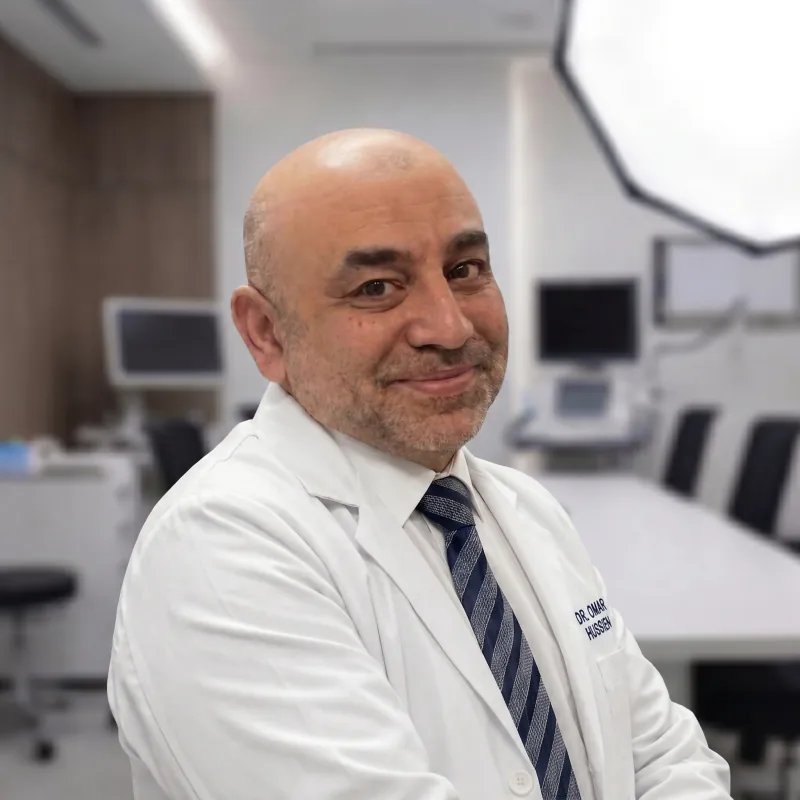
Many patients arrive having been told their headaches are "just tension" or "just migraine" — without anyone examining the neck. Dr. Omar Hussien evaluates the cervical and vestibular contributions that drive most chronic headache patterns. We don't replace your neurologist — we add the piece most headache care leaves out.
In their own words
Patient outcomes
from this specialty.
"After dealing with nearly daily headaches for 3+ years and being told they were tension headaches, I knew I had to make a change. After just 1 week of therapy, my number of headaches was cut in half. I now have maybe 1 every few weeks. Omar provides the education to give patients tools to help their issues."
Related services
What patients with this diagnosis
often add to their plan.
Neck & Arm Pain
Targeted treatment for cervical radiculopathy, whiplash, and the chronic neck issues that come from desks and devices. Hands-on care that addresses the root, not just the symptom.
Balance & Vestibular
Same-day treatment for most BPPV. Comprehensive vestibular rehab for chronic dizziness, post-concussion symptoms, and age-related balance decline — led by Dr. Omar Hussien.
TBI & Concussion
Concussions don't always resolve on their own — and post-concussion symptoms are highly treatable when addressed correctly. Vestibular, oculomotor, and cervical care under one roof.
Common questions
About migraine & headache
therapy.
For migraines with a cervical component (most chronic migraines), patients typically see meaningful reduction in frequency within 6–8 visits. For pure cervicogenic headaches, often faster — sometimes within 3–4 visits. We give you a realistic estimate at evaluation based on what we find.
Yes, when there's a treatable musculoskeletal or cervical component — which is most chronic headache cases. We document the cervical findings, the functional limitations, and the response to treatment. Coverage is standard.
Usually no — and that's not the goal. PT addresses the cervical and postural contributors that intensify migraine frequency. Many patients reduce their reliance on rescue medications and find their preventive medications work better once the cervical component is treated. Coordinate with your neurologist on medication changes.
A few signs: pain that starts at the base of the skull, headaches that are triggered or worsened by neck movement, one-sided pain, or a clear association with sustained postures. The clinical exam confirms it — there are specific tests that reliably identify cervical contribution.
Yes, when you have one. We send progress notes and coordinate care for complex migraine cases. For most cervicogenic and tension headache patients, direct PT works well without ongoing neurology involvement.
Get started
Book your
migraine & headache evaluation.
Same-week availability for most new patients. We verify your benefits before your first visit.