Vestibular
Traumatic Brain Injury & Concussion Rehab
in Hinsdale, IL
Concussions don't always resolve on their own — and post-concussion symptoms are highly treatable when addressed correctly. Vestibular, oculomotor, and cervical care under one roof.
Often paired with related care
What we treat
Conditions
seen in this specialty.
We accept these as primary diagnoses. If you're not sure where your case fits, a 60-minute evaluation maps it correctly on day one.
Concussion (mild TBI)
Sports, accident, fall, or work-related. Most concussions resolve within weeks — when they don't, structured rehab makes the difference.
Post-concussion syndrome
Symptoms persisting beyond 4–6 weeks. Often a mix of vestibular, oculomotor, cervical, and exercise-intolerance components — all treatable.
Moderate to severe TBI
Outpatient continuation of rehabilitation following more significant brain injury. Coordinated with neurology and your inpatient or home health team.
Sports-related concussion
Including the graded return-to-play and return-to-school protocols that the evidence now strongly supports.
Accident & fall-related TBI
Auto accidents, falls, workplace injuries. We coordinate with your physician and document for any insurance or legal needs.
Whiplash with brain injury features
The cervical and vestibular components of whiplash often overlap with mild TBI symptoms. We evaluate and treat both.
When to see a PT
Signals that
warrant an evaluation.
If you notice any of these patterns — even occasionally — it's worth a sixty-minute assessment to map what's actually going on.
Dizziness or imbalance
The most common post-concussion symptom — and the most treatable with vestibular rehab.
Headaches that won't go away
Often a mix of cervicogenic, post-traumatic, and migraine-type features. We map them out and treat the components we can.
Vision or oculomotor issues
Difficulty tracking, focus problems, sensitivity to busy environments. Treatable with specific oculomotor rehab.
Exercise intolerance
Symptoms triggered by even light physical exertion. Sub-symptom threshold aerobic training is the evidence-based treatment.
Cognitive-motor slowing
Trouble multitasking, walking and talking, or reading while moving. Specific dual-task training helps.
Sleep disturbance & fatigue
Common in post-concussion. We can't fix everything, but addressing the physical contributors often improves both.
How we treat it
The clinical playbook
for this specialty.
01—Modality
Vestibular & oculomotor rehab
The cornerstone of post-concussion treatment. Specific exercises that retrain the vestibular and visual systems that get disrupted in head injury.
02—Modality
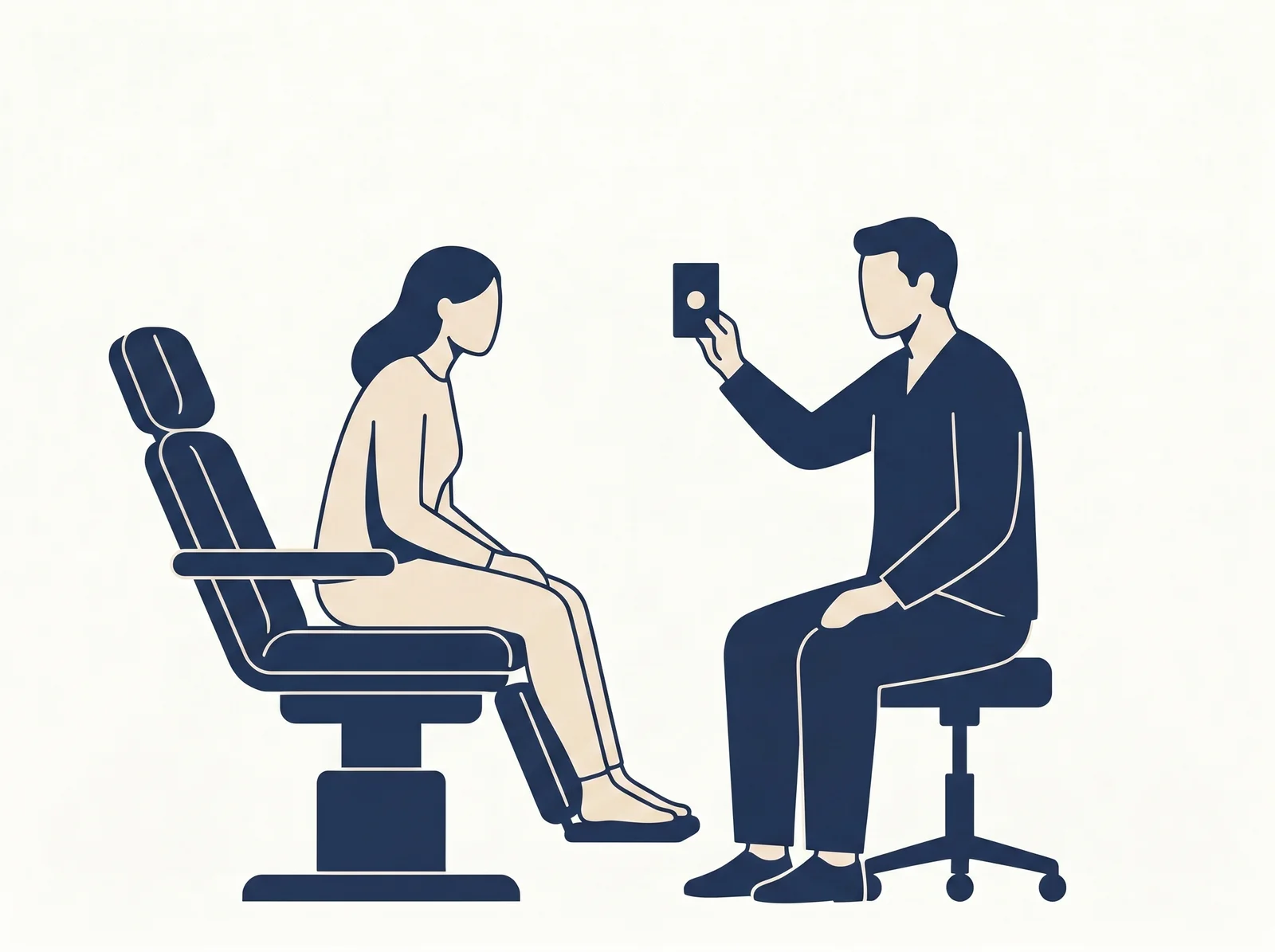
Cervical spine manual therapy
Whiplash and cervical injury almost always accompany concussion. Treating the neck reduces headaches and dizziness significantly.
03—Modality
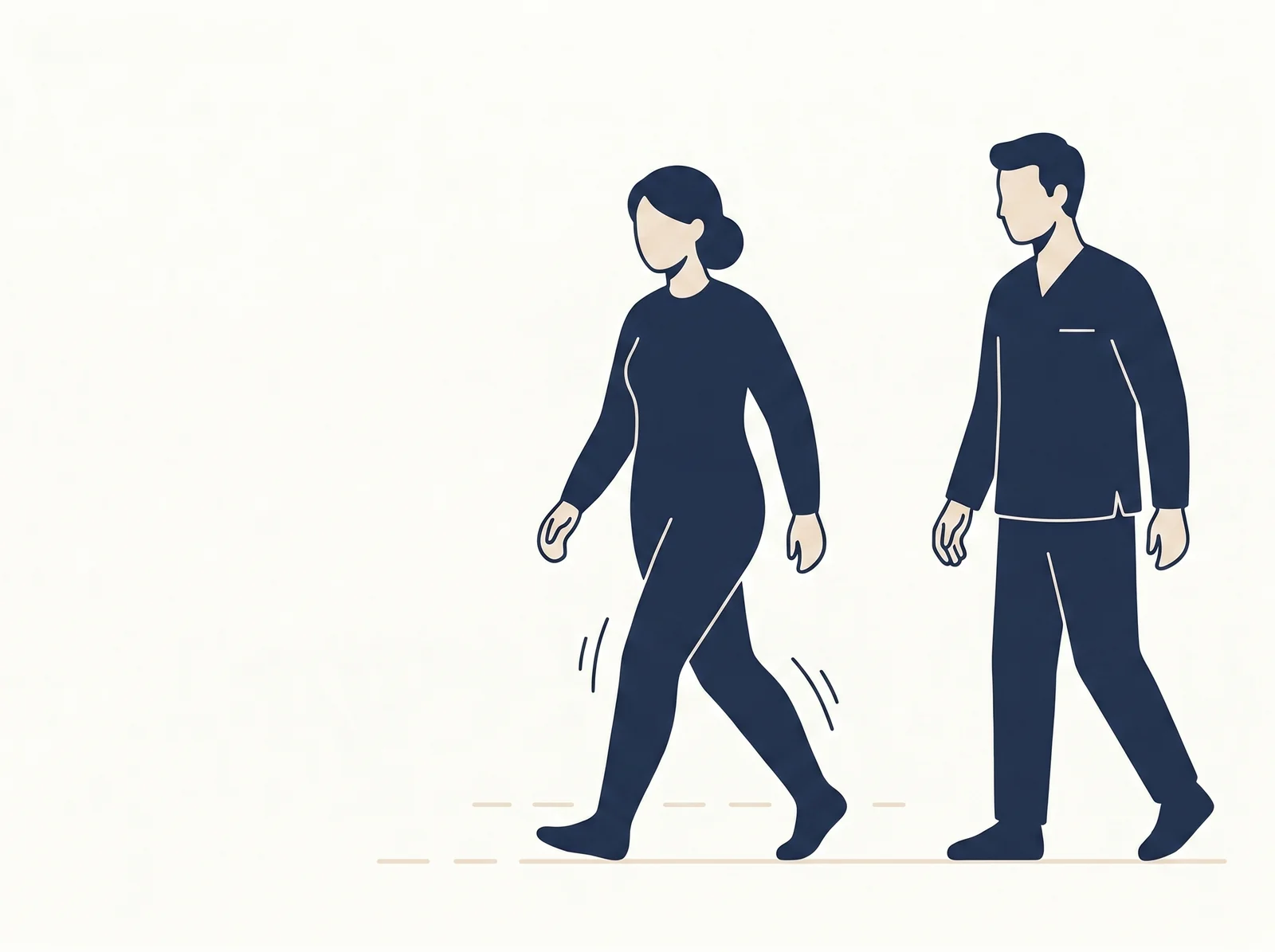
Sub-symptom threshold aerobic training
Carefully calibrated exercise that builds tolerance without provoking symptoms. The Buffalo Concussion Treadmill Test protocol guides progression.
04—Modality
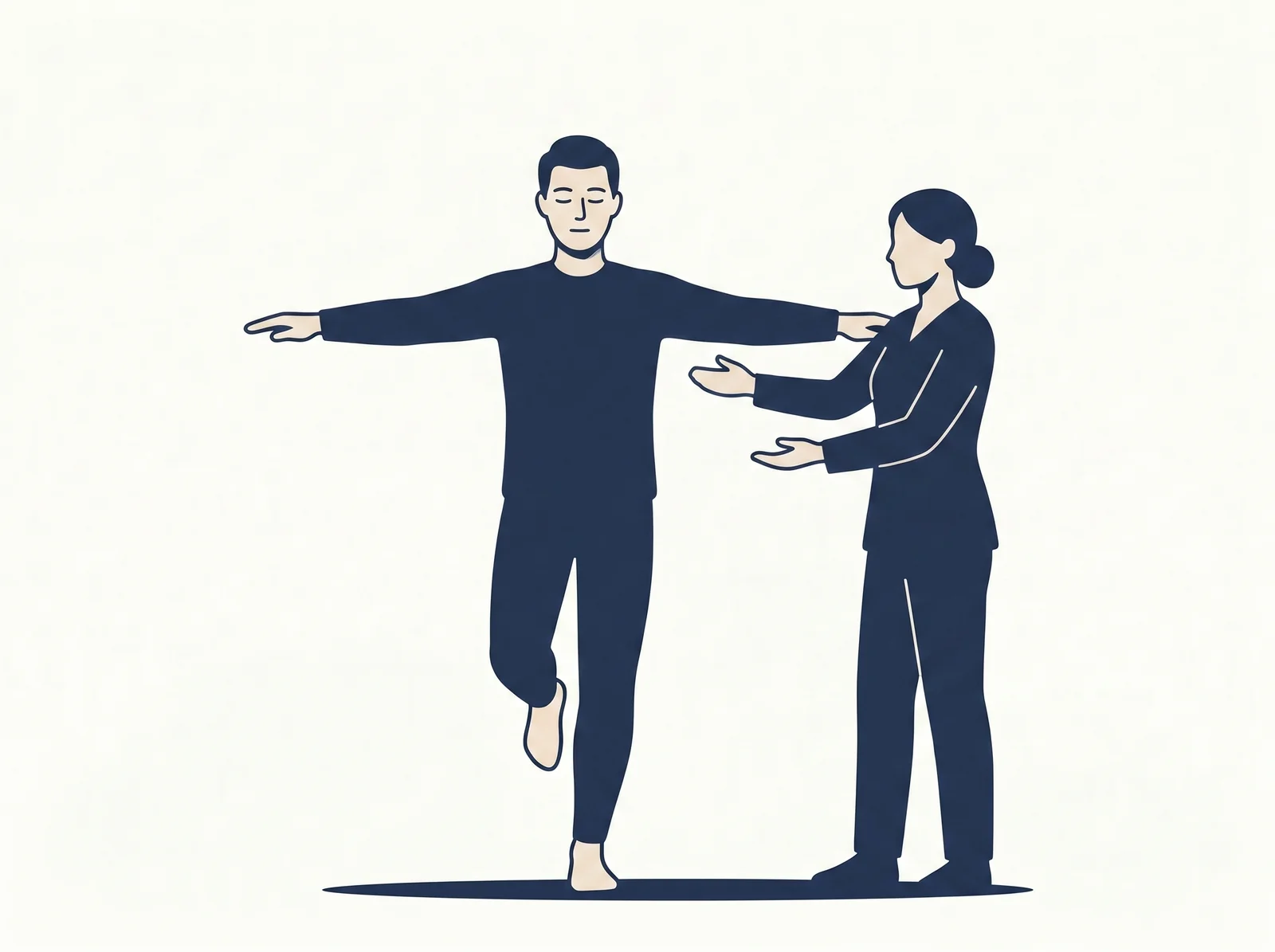
Balance & vestibular-ocular reflex training
Static and dynamic balance work combined with gaze stabilization. Restores the systems that get scrambled by head injury.
05—Modality
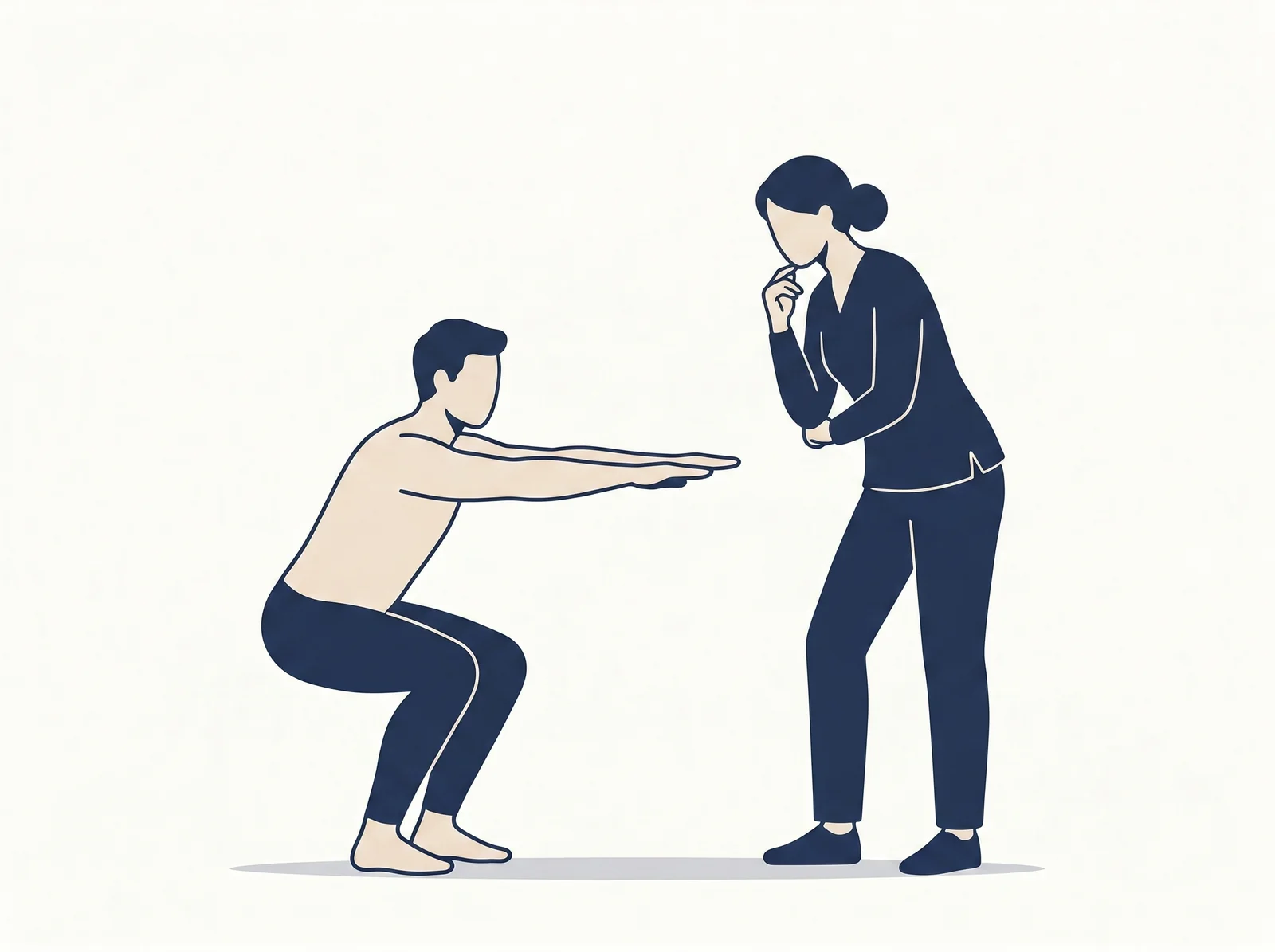
Return-to-sport / return-to-school protocols
Evidence-based stepwise progression back to full activity. We coordinate with your physician, athletic trainer, and school for safe re-entry.
06—Modality
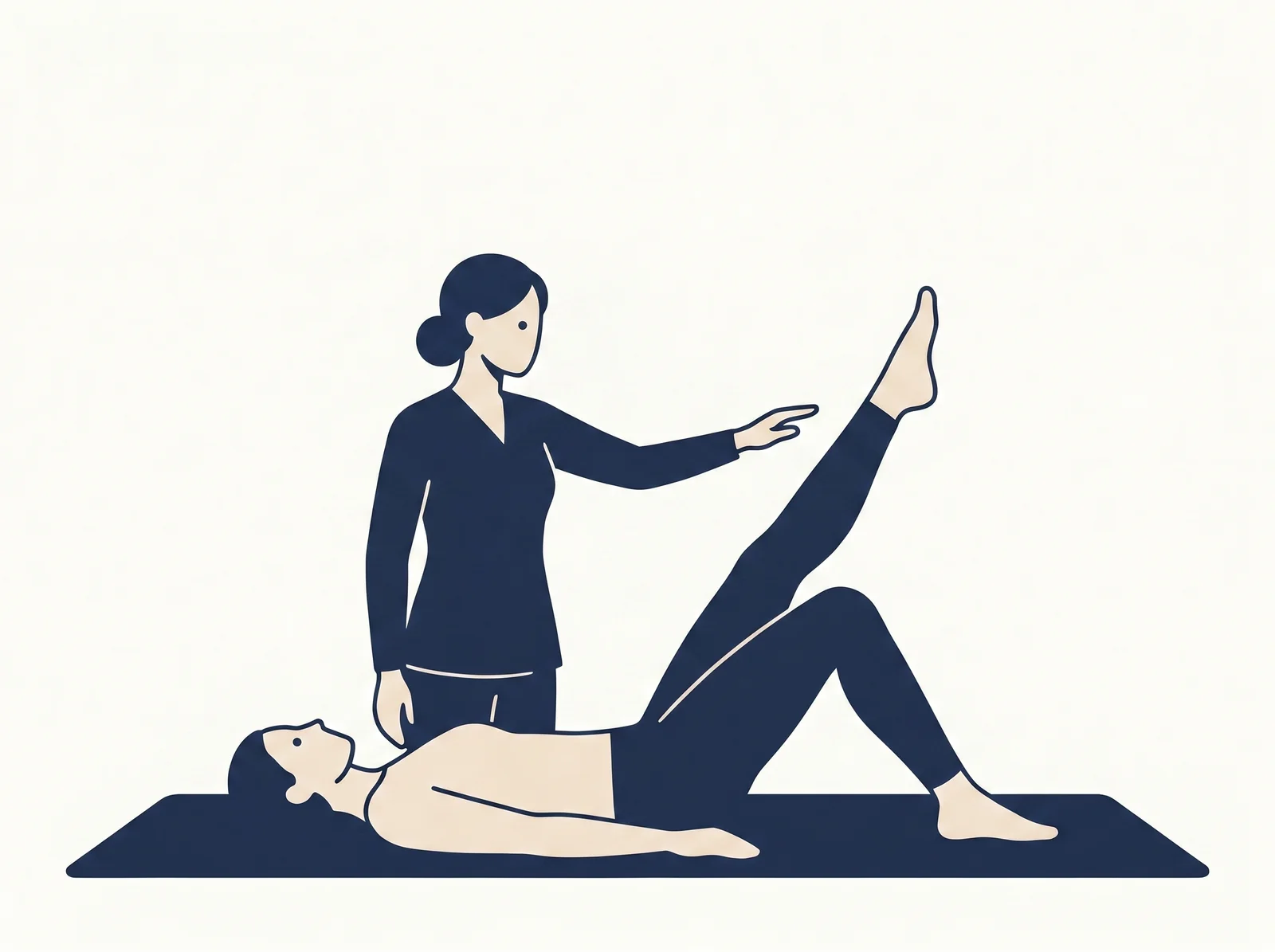
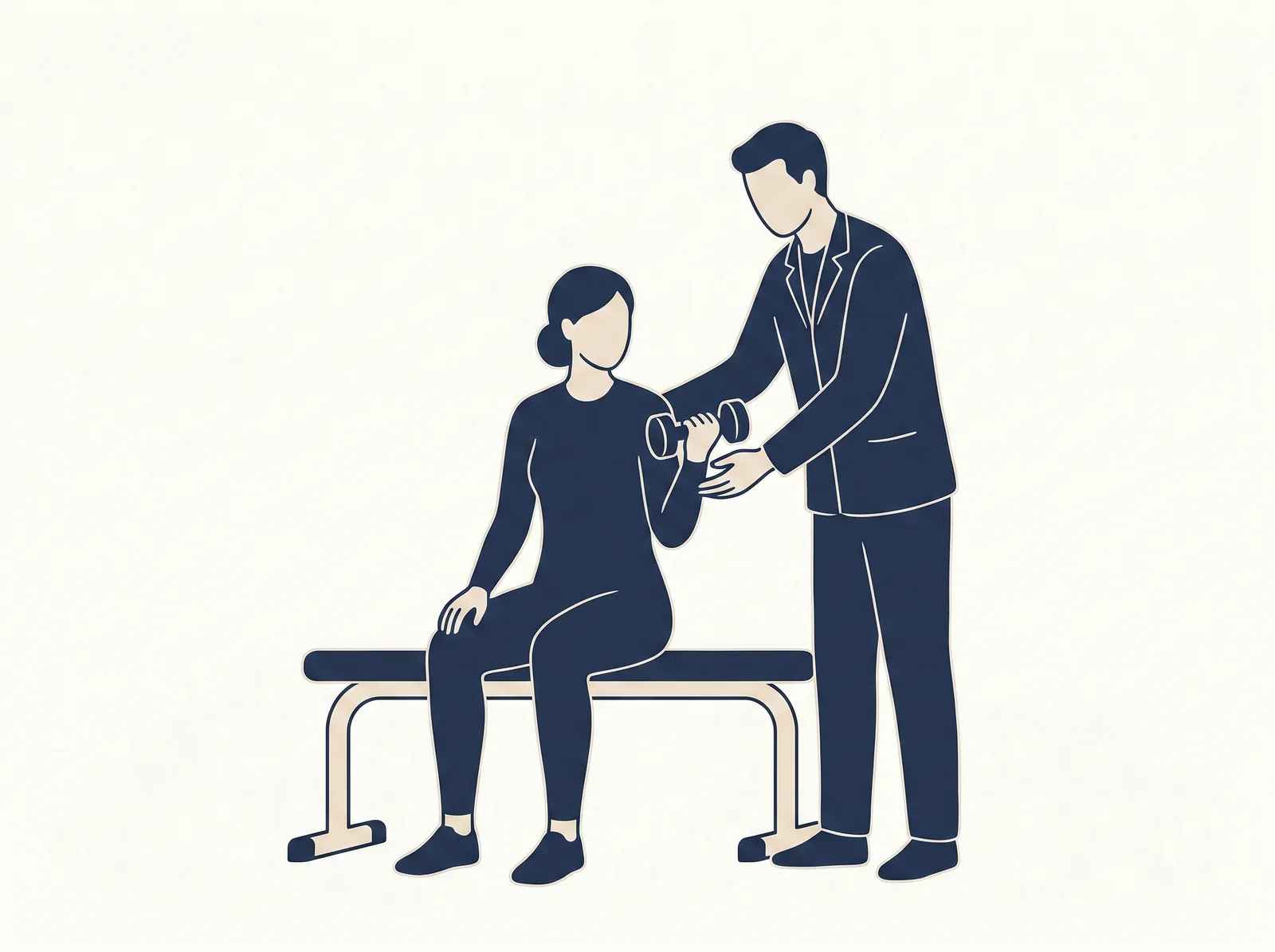
Education & symptom management
Understanding what's happening reduces fear, which reduces symptoms. We teach you what to expect, what helps, and what to avoid.
What to expect
The phased timeline
most patients follow.
Honest milestones. Cases vary, but most look something like this. We re-test at every phase so progress is measured, not assumed.
- 01Visit 1
Comprehensive assessment
Vestibular, oculomotor, cervical, and exertional testing. We map exactly which systems are contributing to your symptoms.
- 02Weeks 1–3
Active rehabilitation
Symptom-specific exercises begin. Most patients see meaningful improvement within 2–4 weeks of starting structured rehab.
- 03Weeks 3–8
Progression to full activity
Graded return to exercise, school, work, or sport. We push the boundary without provoking symptom flares.
- 04Discharge
Return to full function
Most concussion patients return to full activity within 8–12 weeks. Persistent post-concussion cases sometimes take longer but typically improve substantially.
Why Progressive PT
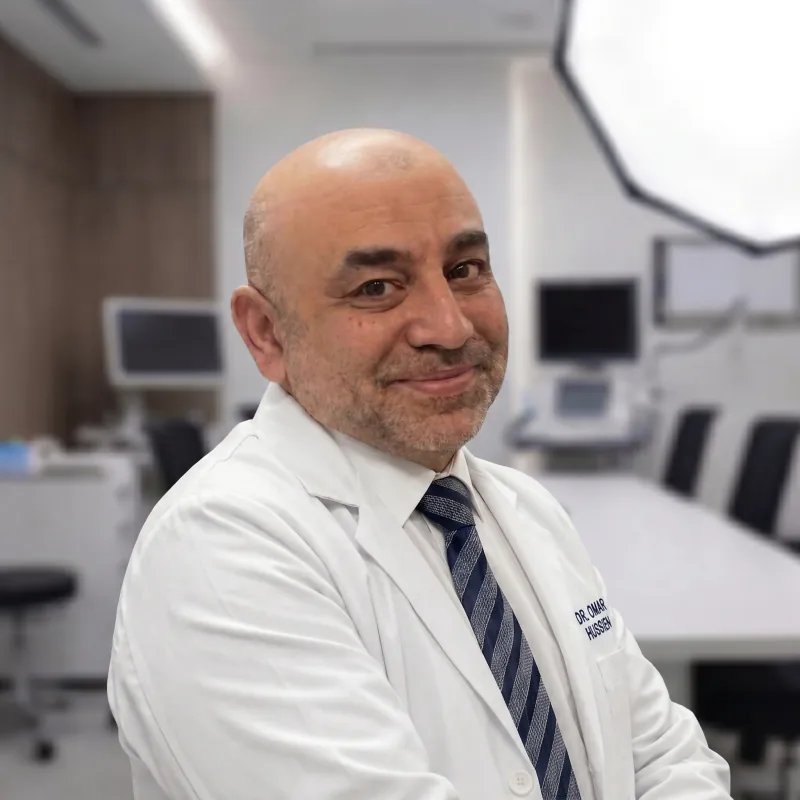
Why Dr. Omar Hussien
leads this specialty.
Concussion rehab is multidisciplinary by nature. Dr. Omar Hussien manages the vestibular, cervical, and exertional components — the parts that produce most of the persistent symptoms. We coordinate with your physician, neurologist, athletic trainer, and school when needed.
Related services
What patients with this diagnosis
often add to their plan.
Balance & Vestibular
Same-day treatment for most BPPV. Comprehensive vestibular rehab for chronic dizziness, post-concussion symptoms, and age-related balance decline — led by Dr. Omar Hussien.
Migraine & Headache
Many headaches come from the neck — and respond remarkably well to targeted physical therapy. Whether your headache is purely cervicogenic, tension-driven, or migraine with a cervical component, we evaluate the whole picture.
Neck & Arm Pain
Targeted treatment for cervical radiculopathy, whiplash, and the chronic neck issues that come from desks and devices. Hands-on care that addresses the root, not just the symptom.
Common questions
About tbi & concussion
therapy.
Within the first few weeks if symptoms aren't resolving on their own — and sometimes earlier. The old "rest until symptoms fully resolve" advice has been replaced by evidence supporting earlier active rehabilitation. If you're still symptomatic 2–4 weeks out, structured PT typically accelerates recovery.
Most concussions resolve within 2–4 weeks. Persistent post-concussion symptoms (lasting beyond 4–6 weeks) typically take 6–12 weeks of structured rehab to resolve, though some cases take longer. Outcomes are generally good when rehab is started in a reasonable timeframe.
Yes. Patients years out from a TBI can still benefit from vestibular, oculomotor, and cervical rehab — the systems that drive the symptoms don't become "untreatable" with time, even if they're harder to address. We've helped patients who were told their symptoms were permanent.
Yes. We use the graded return-to-play protocols supported by current consensus statements. We coordinate with athletic trainers, school athletic departments, and physicians. Return is staged, monitored, and only progresses when each step is symptom-free.
For most patients, yes — when there are clear functional deficits we can document and target. Vestibular dysfunction, balance impairment, and cervical findings are all standard PT diagnoses. We handle the documentation and billing.
Get started
Book your
tbi & concussion evaluation.
Same-week availability for most new patients. We verify your benefits before your first visit.