Modality
Shockwave Therapy
in Hinsdale, IL
Extracorporeal shockwave therapy for chronic tendon and soft tissue conditions that haven't responded to rest and standard care. FDA-cleared, non-invasive, strong evidence for plantar fasciitis and tendinopathies.
Often paired with related care
What we treat
Conditions
seen in this specialty.
We accept these as primary diagnoses. If you're not sure where your case fits, a 60-minute evaluation maps it correctly on day one.
Plantar fasciitis & heel pain
The condition shockwave was designed for. Strong evidence for chronic cases that haven't responded to stretching and orthotics — typical success rates 60–80%.
Achilles tendinopathy
Mid-portion and insertional Achilles issues. Shockwave combined with progressive eccentric loading is the current evidence-based standard.
Patellar tendinopathy ("jumper's knee")
Chronic patellar tendon issues common in athletes. Often responds well when standard rehab alone has plateaued.
Tennis & golfer's elbow
Lateral and medial epicondylitis. Particularly valuable for chronic cases (more than 3–6 months) that haven't resolved with rest and rehab.
Shoulder calcific tendinitis
Calcium deposits in the rotator cuff causing pain and limited motion. Shockwave can help break up the calcium and improve symptoms.
Trigger points & chronic muscle pain
Stubborn myofascial trigger points that don't resolve with manual therapy alone often respond to shockwave application.
How we treat it
The clinical playbook
for this specialty.
01—Modality
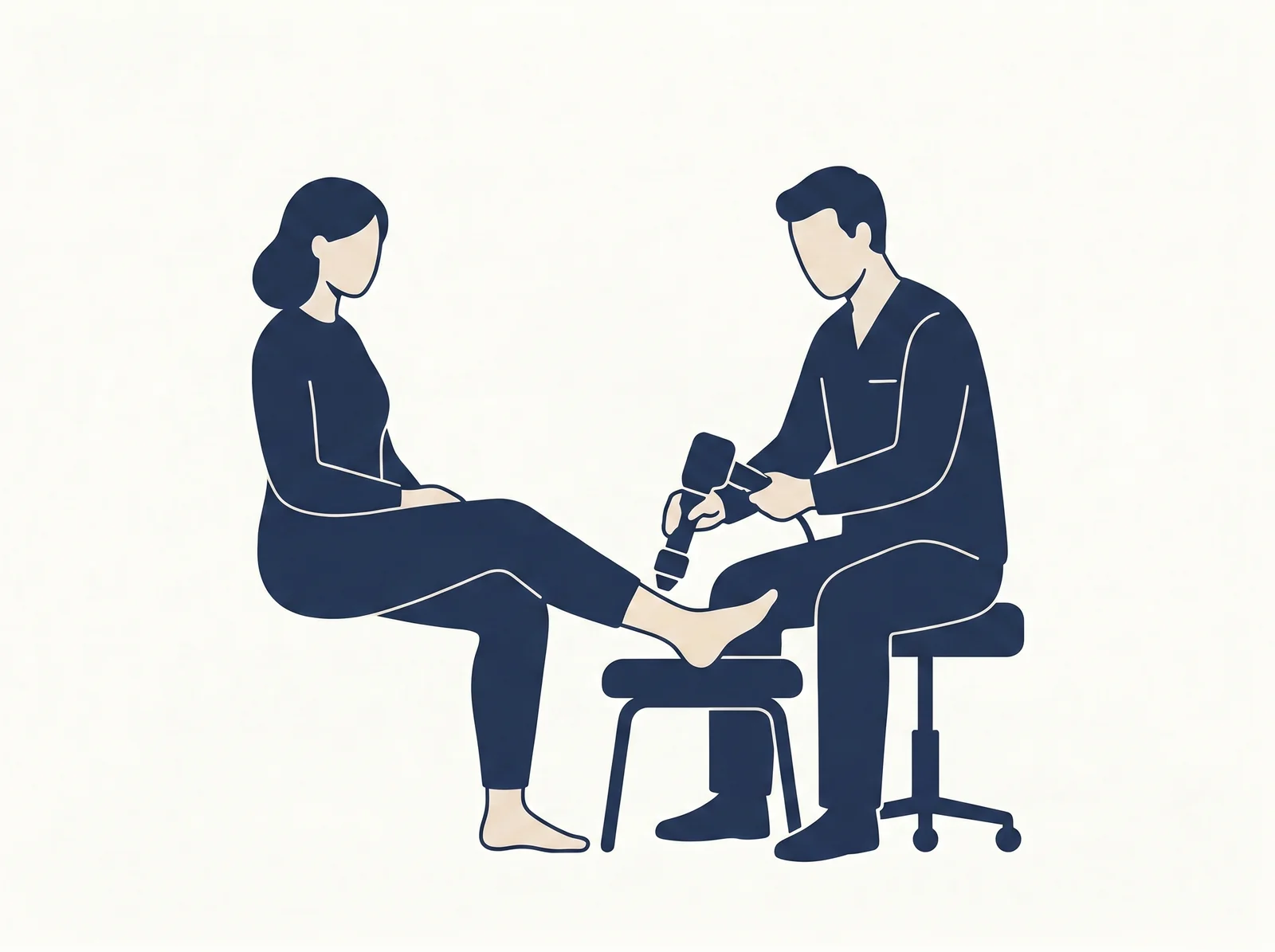
What shockwave therapy actually is
Acoustic pressure waves applied to the affected tissue. The mechanical stimulation accelerates the healing response in tissues that have gotten "stuck" — chronic tendinopathies that haven't completed normal healing.
02—Modality
Radial vs. focused shockwave
Two different shockwave technologies for different conditions. We use the appropriate type based on what we're treating and the depth required.
03—Modality
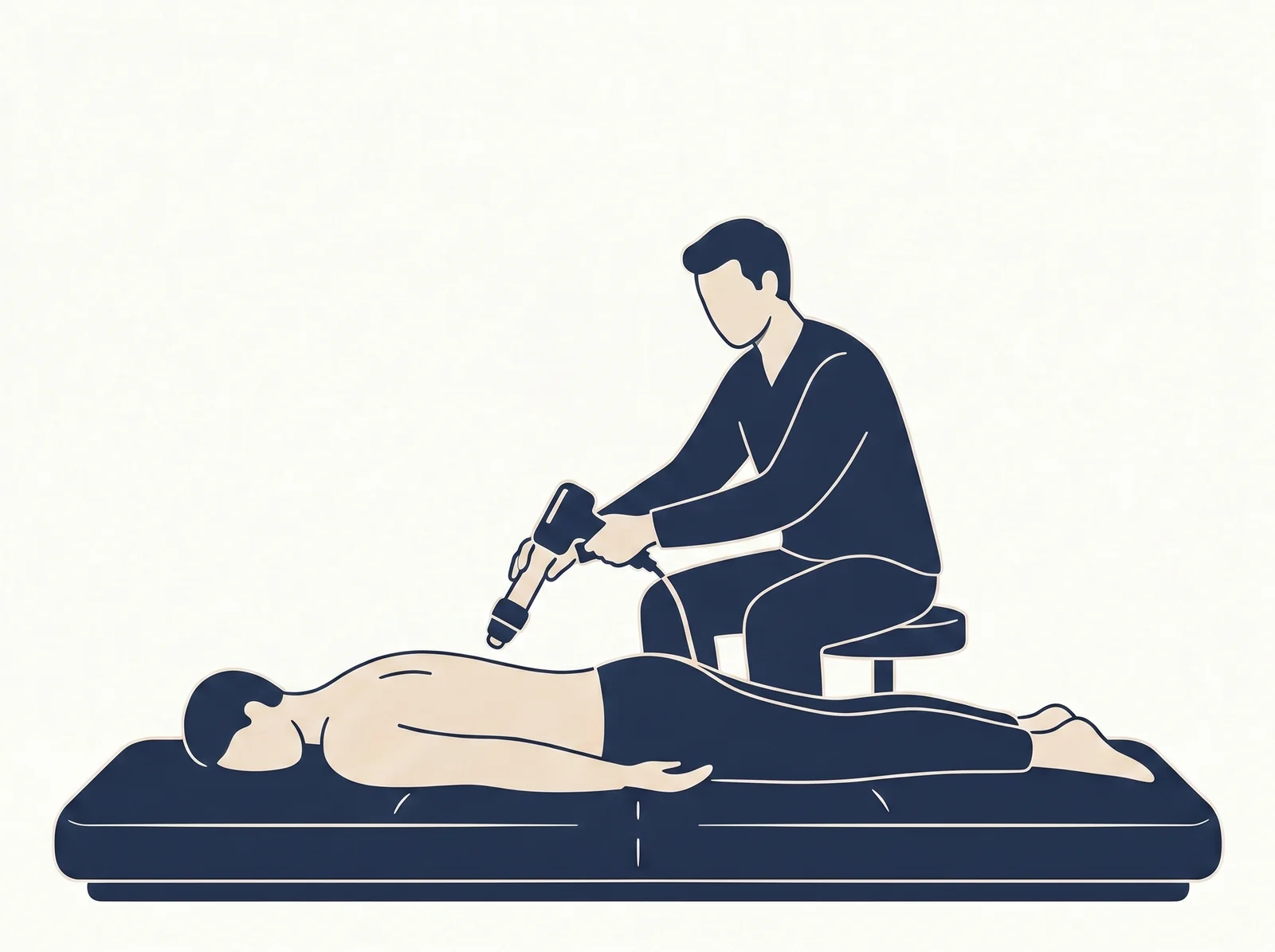
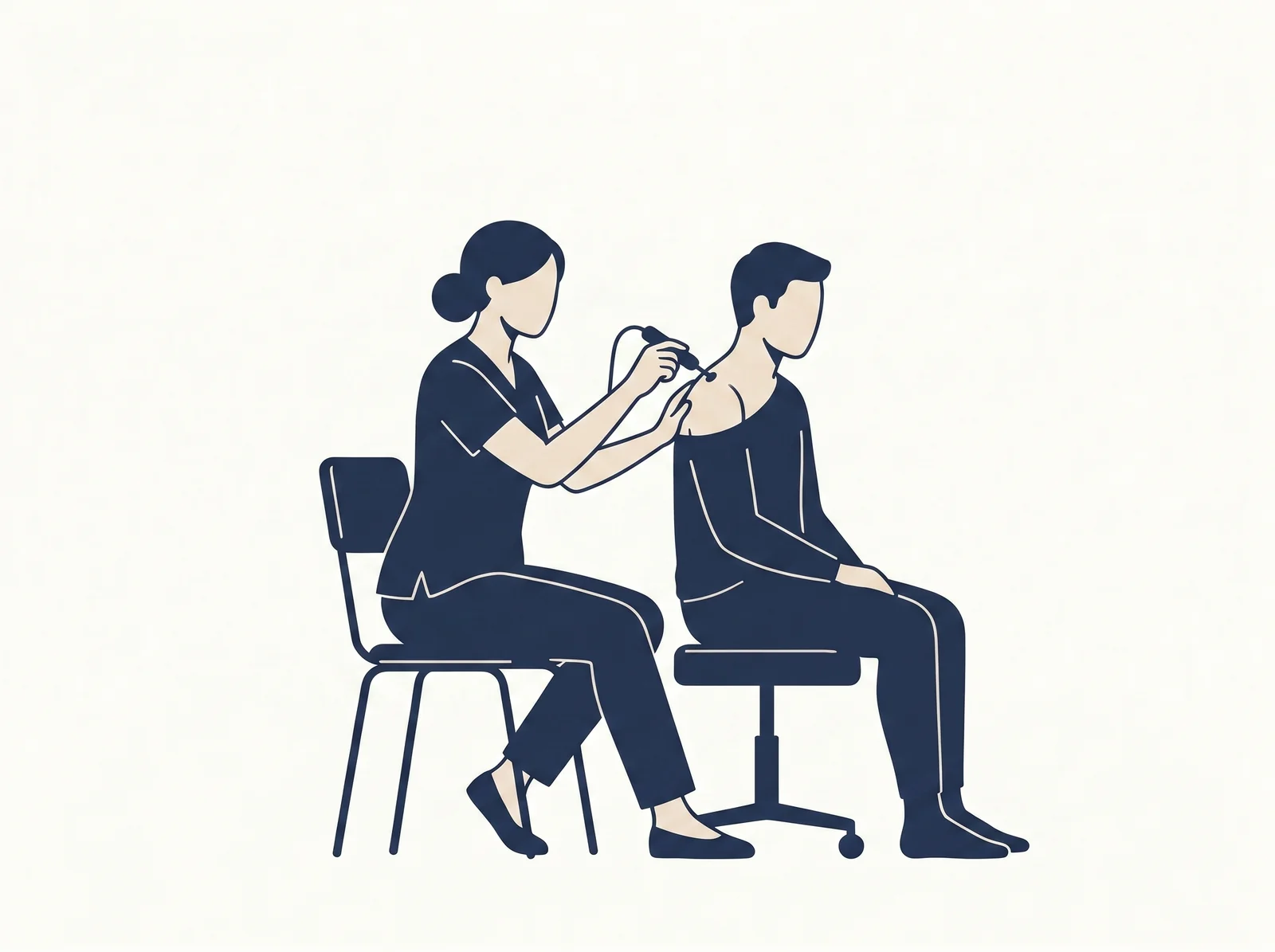
Treatment length: 5–10 minutes per area
Sessions are short. The applicator is moved over the affected tissue with moderate pressure. Most patients describe it as briefly uncomfortable but tolerable.
04—Modality
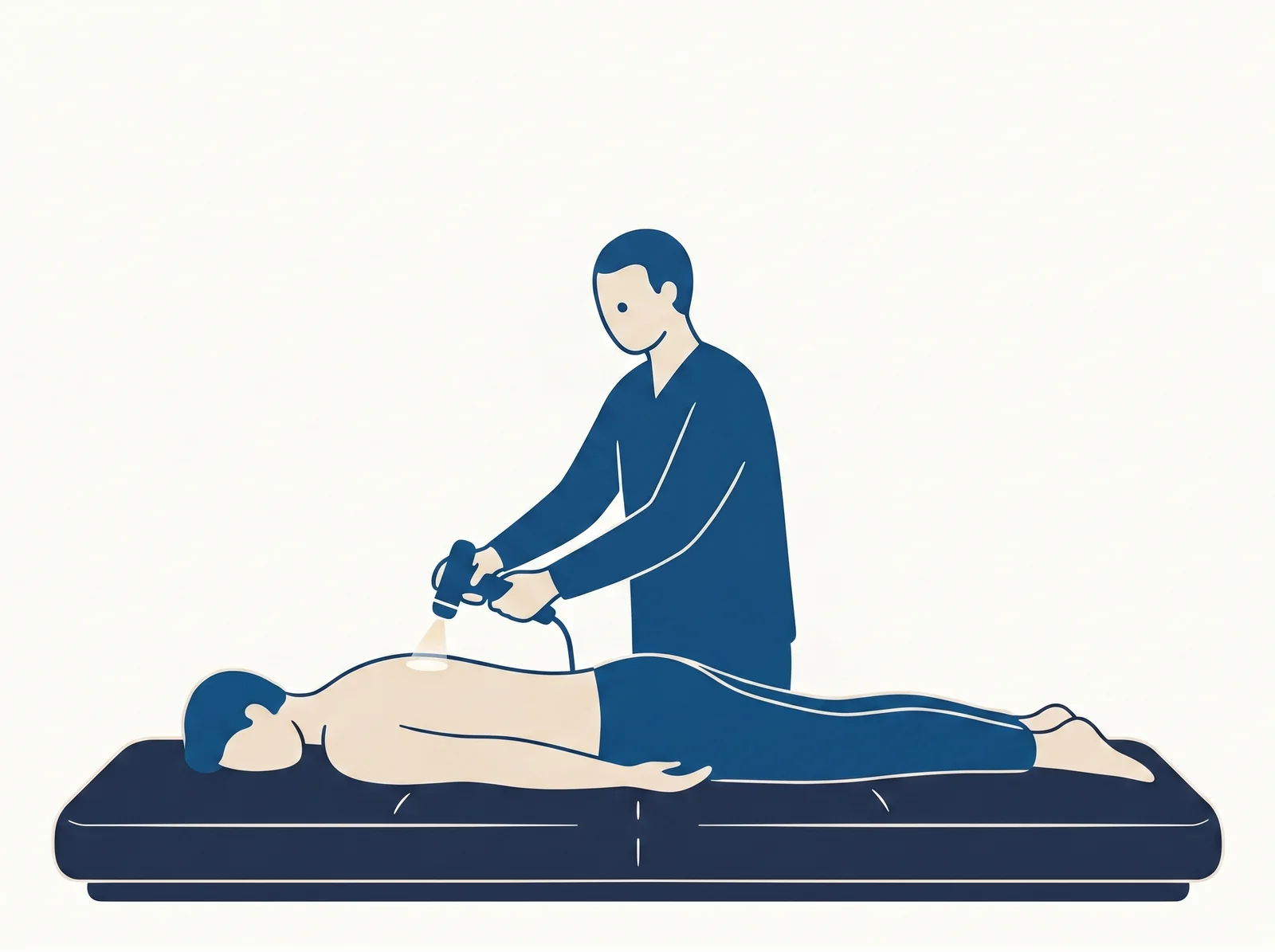
Typical course: 3–6 sessions
Shockwave is administered once per week. Most patients complete a course in 3–6 weeks. We re-evaluate at session 3 to confirm we're making progress.
05—Modality
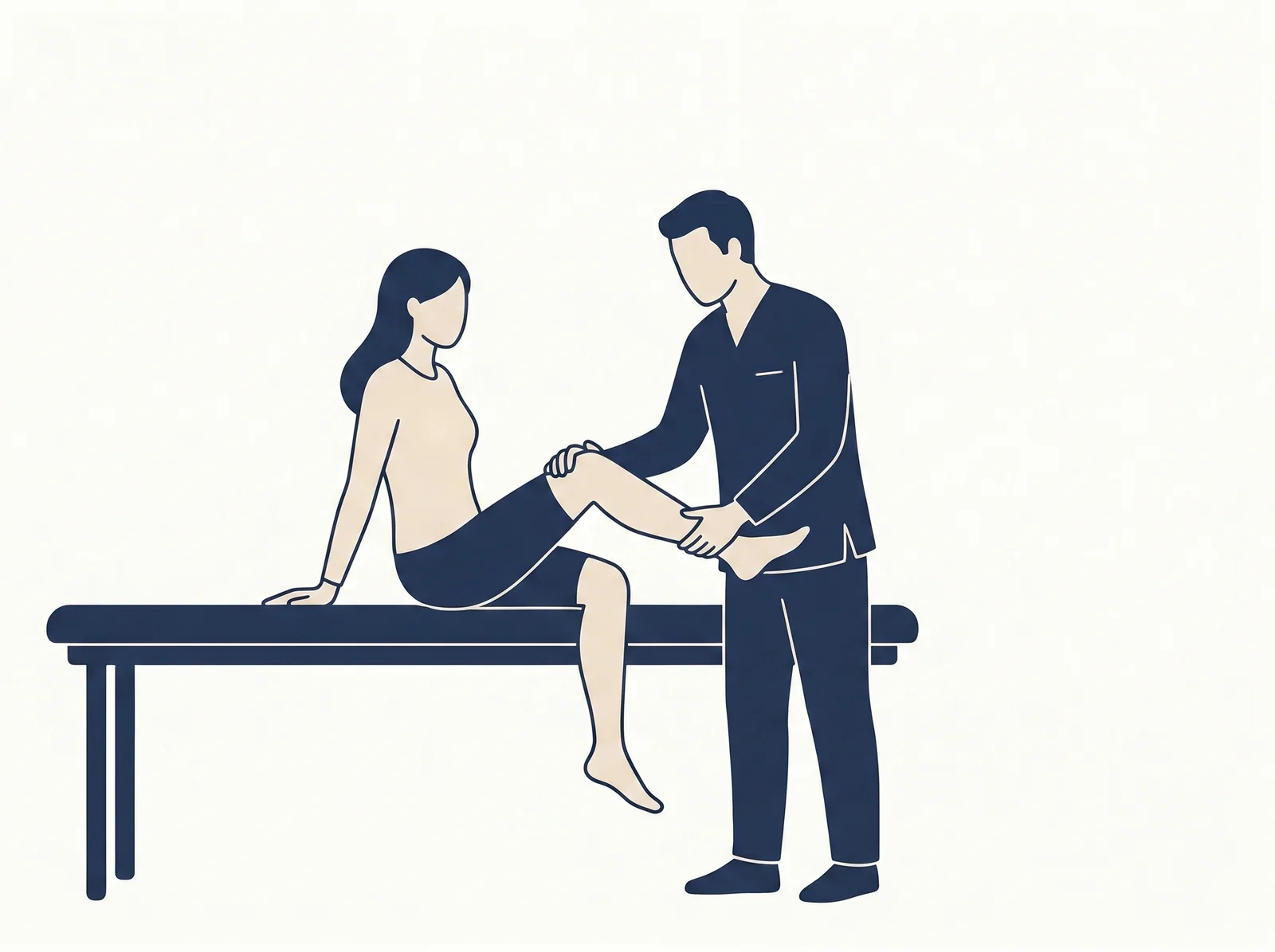
Combined with progressive loading
Shockwave works best paired with the right exercise progression. The mechanical stimulus accelerates healing; the exercise drives the tissue adaptation that prevents recurrence.
06—Modality
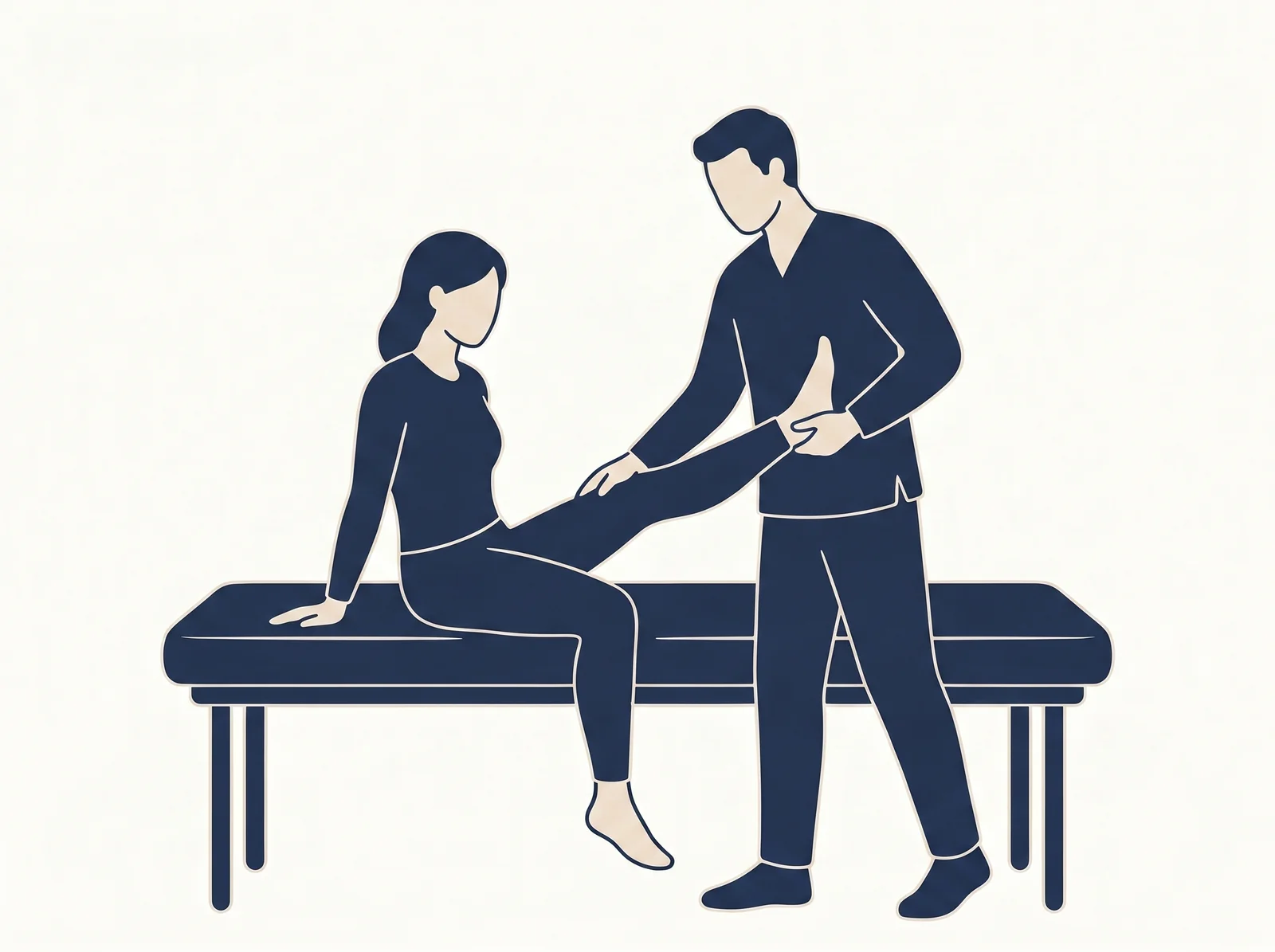
No anesthesia required
Treatment is tolerable without anesthesia for most patients. We can adjust intensity in real-time based on what you can comfortably handle.
What to expect
The phased timeline
most patients follow.
Honest milestones. Cases vary, but most look something like this. We re-test at every phase so progress is measured, not assumed.
- 01Visit 1
Evaluation & first treatment
We confirm shockwave is appropriate for your condition and rule out contraindications. Treatment can often begin at the same visit.
- 02Weeks 1–3
Active treatment
Weekly shockwave sessions paired with a specific exercise progression. Most patients notice symptom changes within 2–3 sessions.
- 03Weeks 3–6
Continued progression
Completing the shockwave course while progressing the loading. Symptoms typically continue improving for several weeks after the final session.
- 04Follow-up
Outcome assessment
We re-evaluate at 6–12 weeks post-treatment. Most patients see lasting improvement; some benefit from a second course or additional rehabilitation.
Why Progressive PT
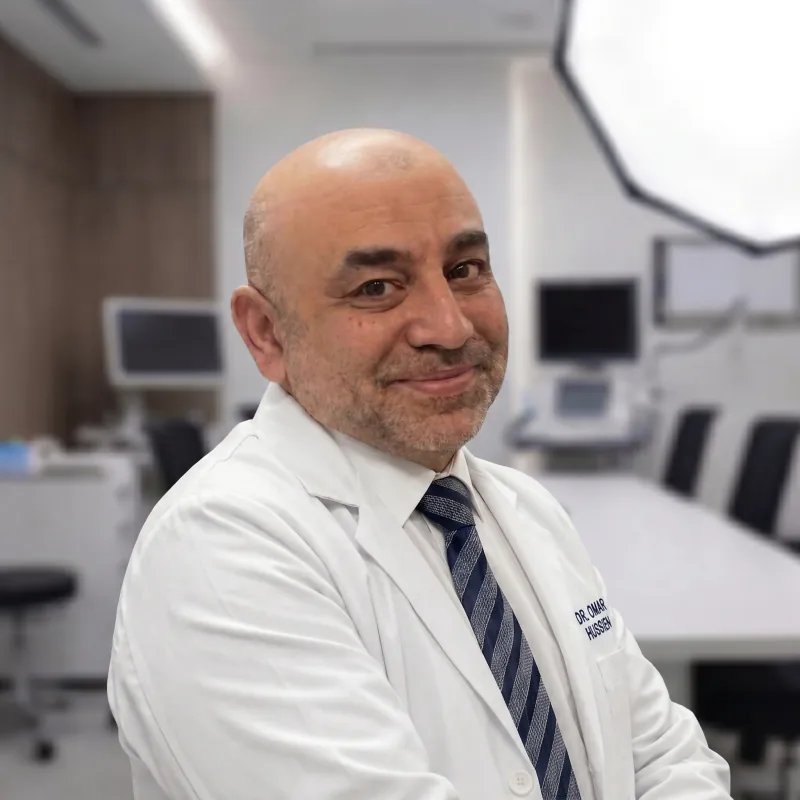
Why Dr. Omar Hussien
leads this specialty.
Shockwave is one of the more impressive recent additions to PT — but only for the conditions it actually treats well. We use it for the tendinopathies and plantar fasciitis cases where the evidence is strongest. For most acute injuries, manual therapy and exercise alone work better.
Related services
What patients with this diagnosis
often add to their plan.
Sports PT
Recovery that respects your sport. Whether you're a high school athlete, a weekend runner, or a competitive masters lifter, we get you back to doing what you love — stronger than before.
Cold Laser
Low-level laser therapy for pain, inflammation, and tissue healing. Drug-free, non-invasive, FDA-cleared. Used alongside hands-on PT when the evidence supports it.
Back Pain & Sciatica
Hour-long, hands-on sessions designed around how your back actually moves — not a generic protocol. Same-week appointments, most insurances accepted.
Common questions
About shockwave
therapy.
Mildly uncomfortable, not painful. Most patients describe it as a strong tapping or pulsing sensation. Intensity can be adjusted in real time based on your tolerance. There's no anesthesia required and no recovery downtime.
Most patients see meaningful improvement within 2–3 weeks of starting treatment. The full effect often continues developing for 8–12 weeks after the final session. For chronic plantar fasciitis that hasn't responded to standard care, shockwave is one of the highest-evidence interventions available.
Minor: mild soreness for 24–48 hours after treatment is common. Rare side effects include bruising or temporary increase in symptoms. Contraindications include pregnancy, active infection in the area, certain blood thinners, and metal implants near the treatment site. We screen at evaluation.
Coverage varies. Some commercial insurances cover shockwave for specific diagnoses (plantar fasciitis, tendinopathies); others classify it as experimental and don't cover it. Medicare currently doesn't cover shockwave. We verify before treatment and discuss self-pay options if needed.
For most of the conditions we treat with shockwave, the answer is no. Even when shockwave doesn't resolve the issue, there are usually additional non-surgical options. Surgery is rare for plantar fasciitis and most tendinopathies — it's reserved for cases that fail multiple courses of conservative treatment over 12+ months.
Get started
Book your
shockwave evaluation.
Same-week availability for most new patients. We verify your benefits before your first visit.