
Modality
Gait Analysis
in Hinsdale, IL
Comprehensive walking and running analysis to identify the mechanics driving pain, injury, or instability — and the targeted training to fix them. For seniors, athletes, and everyone in between.
Often paired with related care
What we treat
Conditions
seen in this specialty.
We accept these as primary diagnoses. If you're not sure where your case fits, a 60-minute evaluation maps it correctly on day one.
Falls & near-falls in older adults
Gait abnormalities are the strongest predictor of future falls. Identifying them objectively is the first step in preventing the next one.
Recurring running injuries
Most overuse injuries in runners trace back to gait mechanics. Video analysis catches what your training log can't.
Post-stroke or neurological gait
Hemiparetic gait, foot drop, ataxic gait. Detailed analysis guides the specific interventions that produce real improvement.
Post-surgical gait abnormalities
Compensation patterns after hip, knee, or foot surgery. Often invisible to you, obvious on video — and treatable.
Parkinson's disease gait
Shuffling, freezing, festination. Gait analysis informs evidence-based interventions including cueing strategies and LSVT BIG concepts.
Unexplained hip, knee, or foot pain
Pain that doesn't match any specific diagnosis often comes from how you walk. Gait analysis frequently reveals the source.
When to see a PT
Signals that
warrant an evaluation.
If you notice any of these patterns — even occasionally — it's worth a sixty-minute assessment to map what's actually going on.
Walking that feels "off"
You or someone else has noticed asymmetry, limping, or hesitation.
Recurring pain with walking or running
Pain that comes back every time you increase mileage or activity.
Frequent stumbling or near-falls
Catching your foot, tripping on level ground, or feeling like your legs aren't coordinating.
One side feels different from the other
Asymmetry in how each leg loads, pushes off, or moves through swing.
Trouble navigating uneven terrain
Grass, gravel, curbs, or dim lighting cause more difficulty than they should.
A running coach or doctor recommended analysis
Many physicians refer patients for objective gait assessment before recommending orthotics, surgery, or specific training.
How we treat it
The clinical playbook
for this specialty.
01—Modality
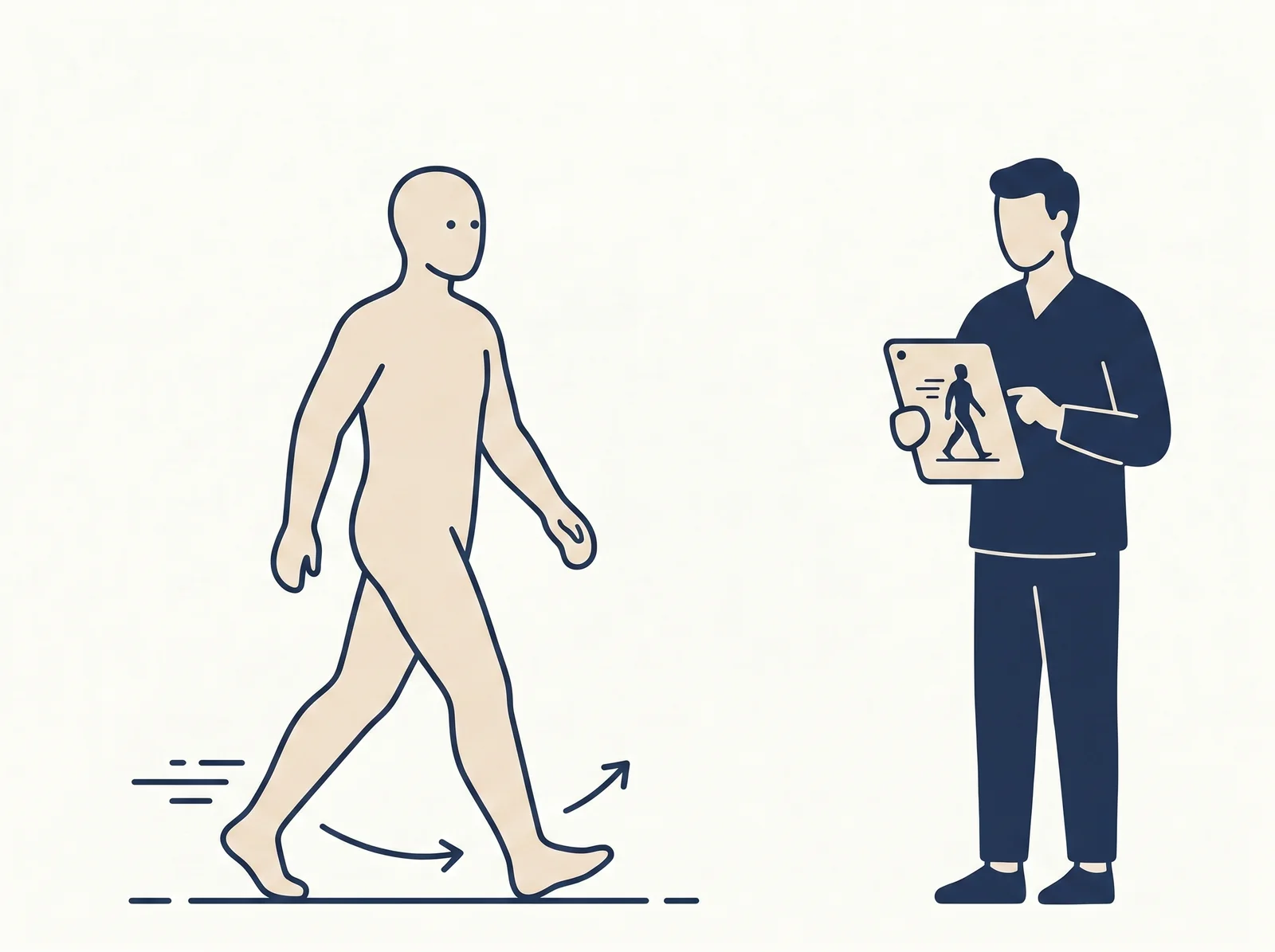
Video gait analysis
Multi-camera capture from front, back, and side as you walk or run. Slow-motion review reveals the joint mechanics, timing, and compensation patterns that drive symptoms.
02—Modality
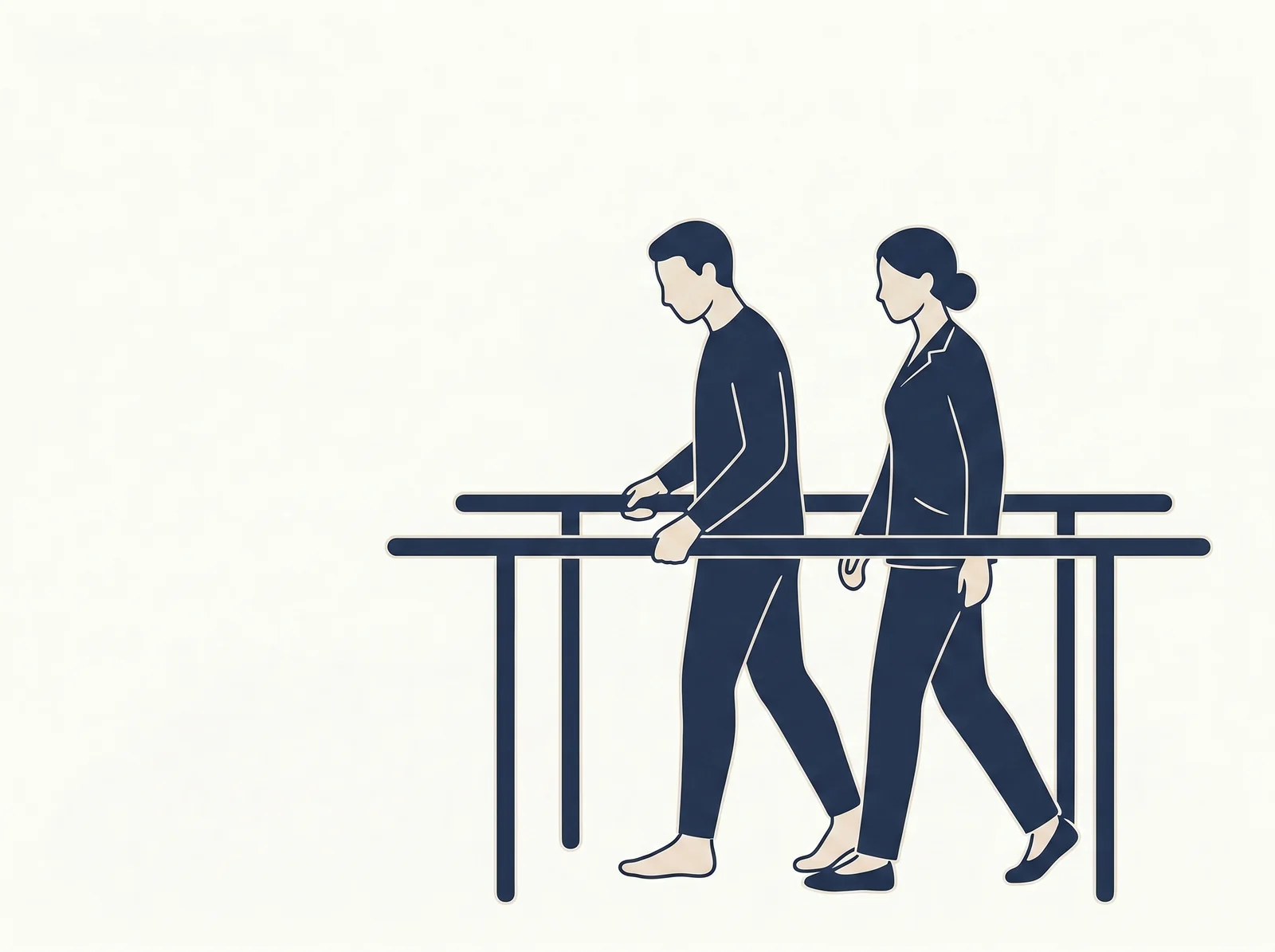
Biodex balance & gait testing
Objective measurement on a force-plate system. Quantifies what video shows qualitatively — stride length, cadence, weight-bearing symmetry, postural control.
03—Modality
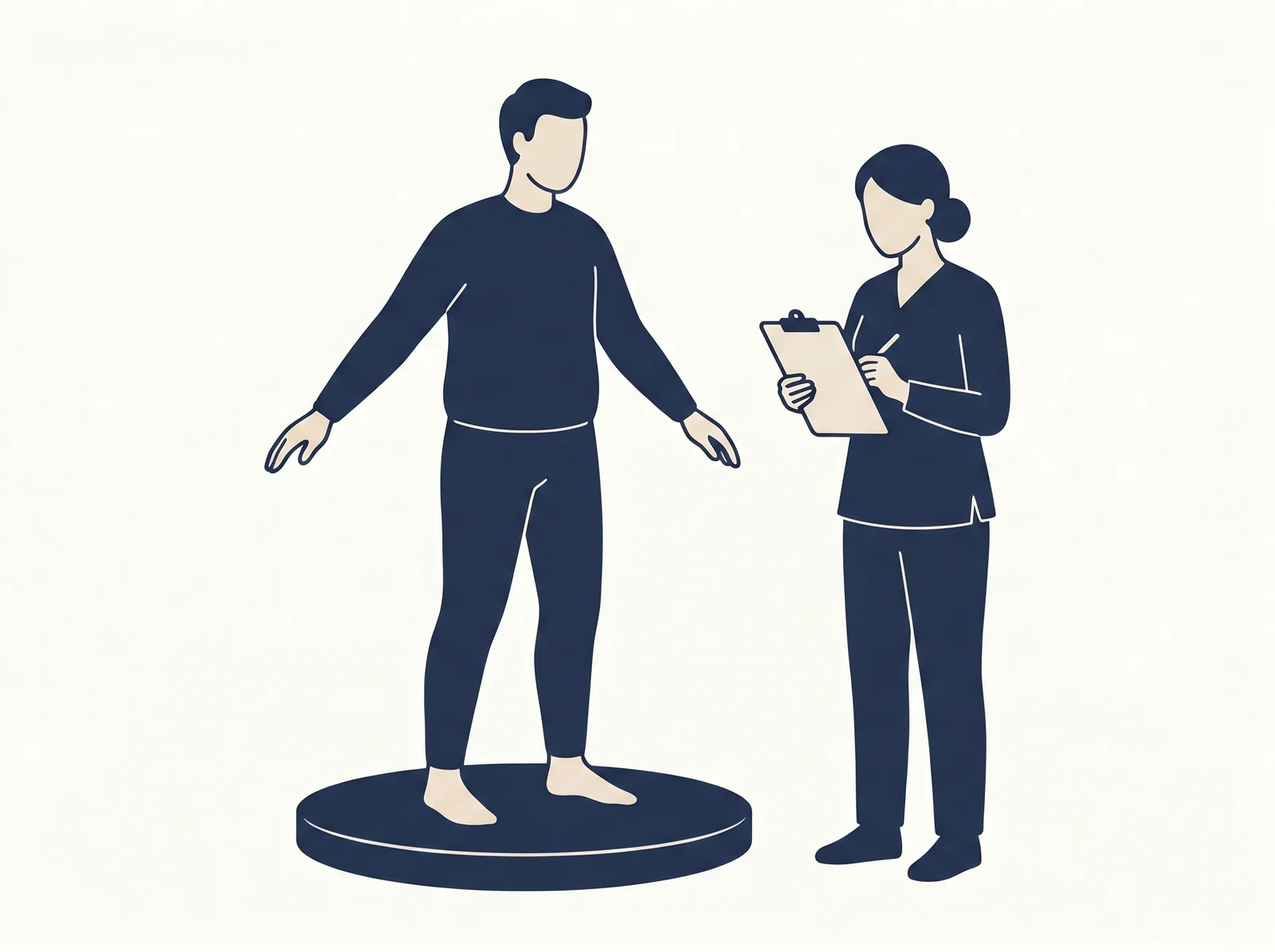
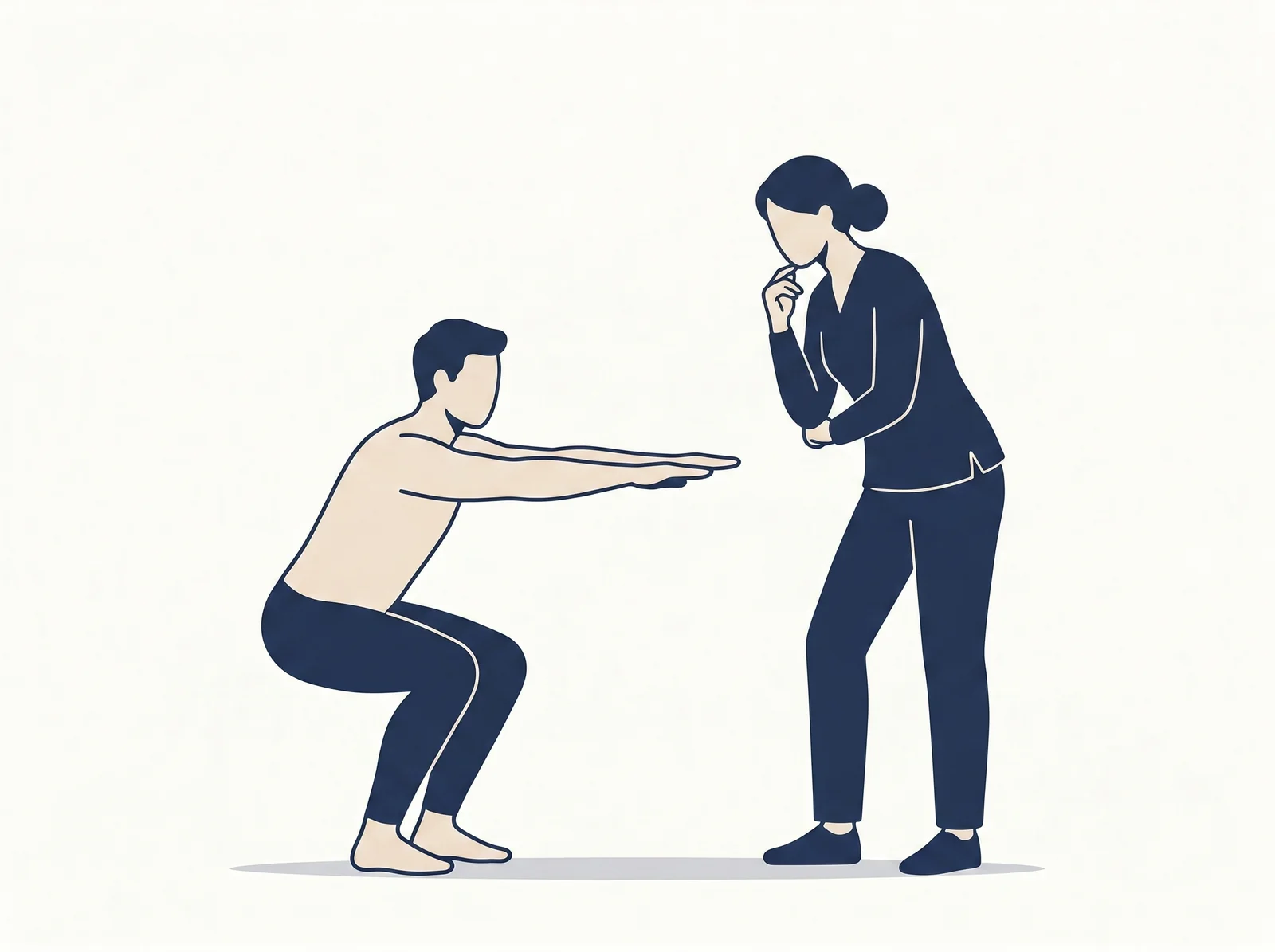
Clinical movement assessment
Beyond the gait itself — strength, range of motion, single-leg balance, foot mechanics. Identifies the underlying causes of the gait pattern, not just the pattern itself.
04—Modality
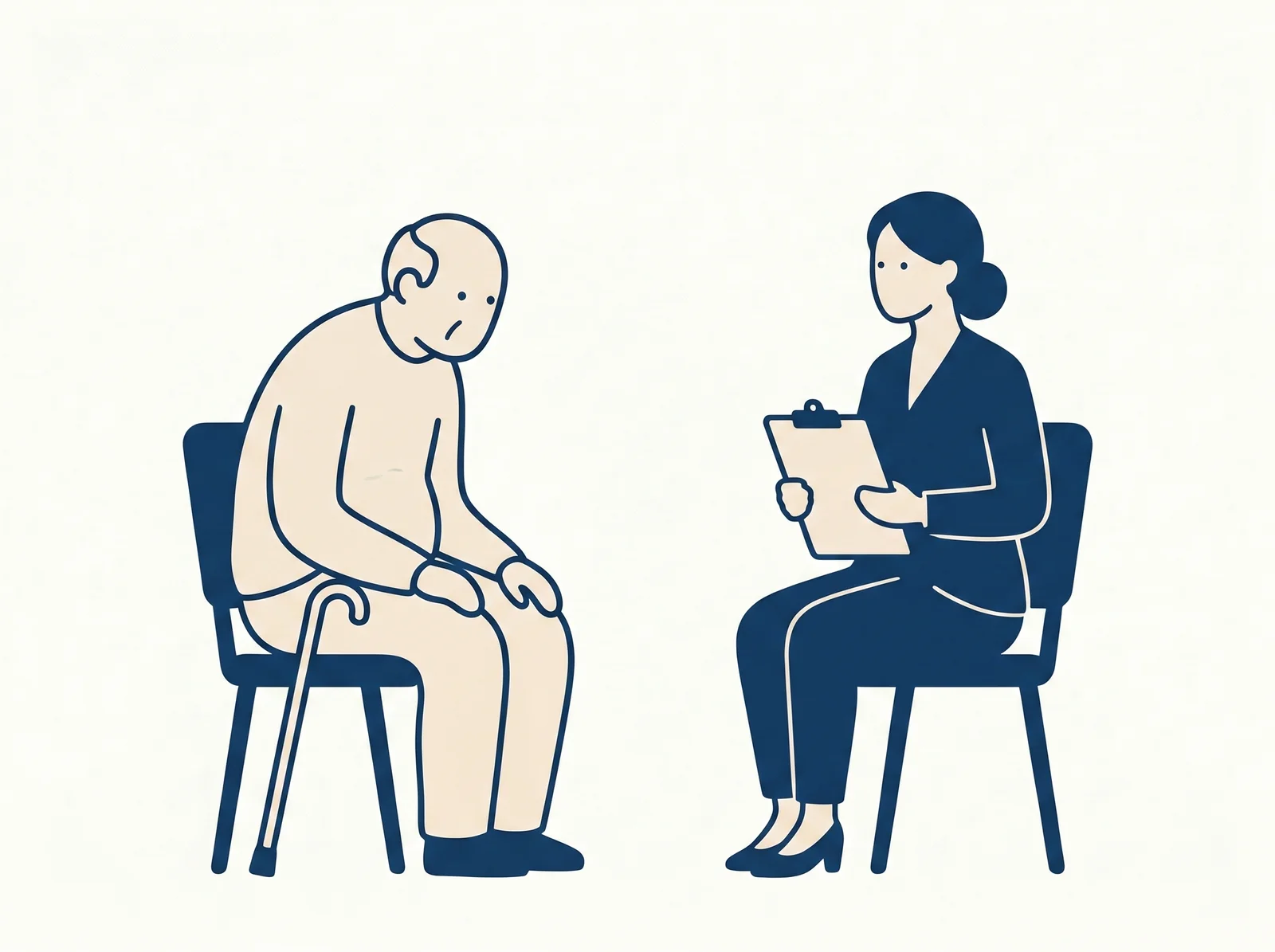
Targeted strengthening & mobility
Specific exercises calibrated to the deficits found in evaluation. Not generic "core work" — the precise areas that fix your specific gait issue.
05—Modality
Assistive device & footwear recommendations
Cane, walker, or orthotic selection based on objective findings. For runners, footwear guidance grounded in your actual mechanics.
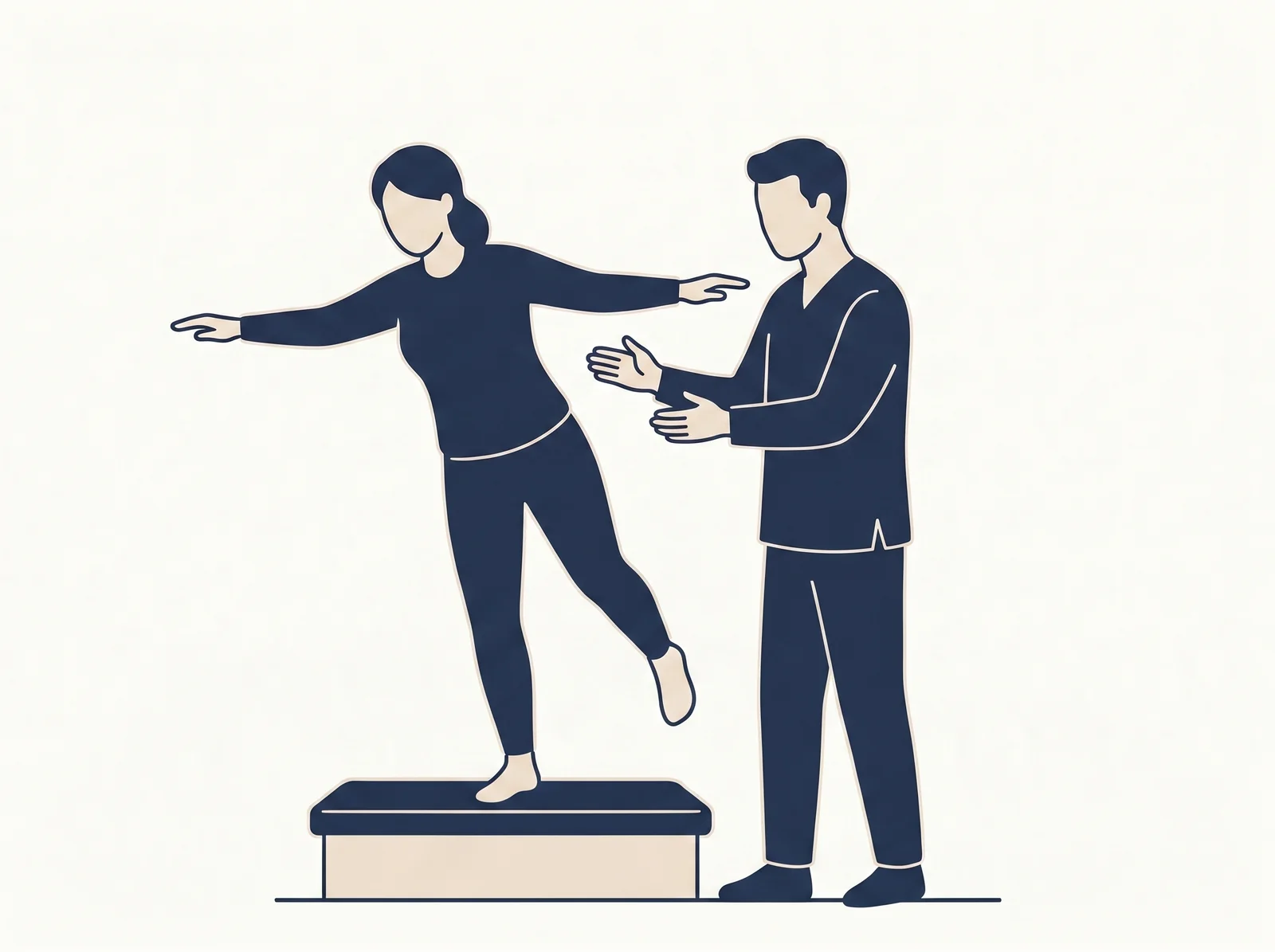
06—Modality
Gait training & retraining
For neurological patients, structured gait training with progressive challenge. For runners, cue-based form retraining backed by video feedback.
What to expect
The phased timeline
most patients follow.
Honest milestones. Cases vary, but most look something like this. We re-test at every phase so progress is measured, not assumed.
- 01Visit 1
Comprehensive analysis
Full video and Biodex assessment, clinical movement testing, review of findings with you. You leave with a clear understanding of what we found and a treatment plan.
- 02Weeks 1–6
Targeted treatment
Strengthening, mobility, gait training, or device fitting — whatever the analysis indicated. Most patients see measurable change within 4–6 weeks.
- 03Follow-up
Repeat analysis
For ongoing rehab, we re-test at 6–8 weeks to confirm objective improvement. Numbers don't lie — and they're usually more reassuring than how you feel.
- 04Discharge
Long-term maintenance
A home program to sustain the gains. For some patients, periodic follow-up gait analysis confirms the changes are holding.
Why Progressive PT
Why Dr. Omar Hussien
leads this specialty.
Dr. Omar Hussien performs gait analysis personally — including for runners, post-stroke patients, and older adults at fall risk. The Biodex system provides objective data; the clinical eye interprets what matters. Both together produce findings you can act on.

Related services
What patients with this diagnosis
often add to their plan.
Balance & Vestibular
Same-day treatment for most BPPV. Comprehensive vestibular rehab for chronic dizziness, post-concussion symptoms, and age-related balance decline — led by Dr. Omar Hussien.
Sports PT
Recovery that respects your sport. Whether you're a high school athlete, a weekend runner, or a competitive masters lifter, we get you back to doing what you love — stronger than before.
Stroke & SCI
Outpatient neurological rehab for stroke survivors, spinal cord injury patients, and people living with progressive conditions. Personalized, hour-long sessions — not a 20-minute factory visit.
Common questions
About gait analysis
therapy.
A full evaluation typically takes 60–90 minutes — longer than a standard PT visit because we need time to capture quality video and do thorough clinical testing. You leave with findings and a plan.
No. In Illinois, direct access PT applies to gait analysis as well. You can schedule directly. If you're coming through a physician referral, we coordinate with their office on findings.
Yes, when there's a clinical indication — falls, gait dysfunction, post-surgical evaluation, neurological condition, or unexplained pain. Most commercial insurances and Medicare cover gait analysis as part of a PT evaluation. We verify before your visit.
Yes, though that's typically a self-pay service since insurance covers medical necessity, not performance optimization. We do running gait analysis for athletes looking to address recurring issues or simply run more efficiently.
Then we have a conversation about what it means and what to do about it. Sometimes gait analysis reveals an underlying issue that needs medical evaluation — we'll explain what we found and coordinate with your physician if needed.
Get started
Book your
gait analysis evaluation.
Same-week availability for most new patients. We verify your benefits before your first visit.